Home automation integration revolutionizes Home Security naturally by creating interconnected, intelligent environments. Key features include remote control, advanced technology like AI and facial recognition, pattern recognition, and proactive threat detection. Smart systems learn routines, minimize false alarms, and offer enhanced control via smartphone apps. Balancing safety, privacy, and user experience is crucial. Regular updates, centralized control, professional monitoring, and strategic integration of devices optimize Home Security, reducing break-ins by up to 40%. Future-proofing involves firmware updates, sophisticated equipment, and proactive troubleshooting for uninterrupted protection.
Home Security is a paramount concern in today’s digital age, with advancements in technology offering unprecedented opportunities for integration and automation. As our homes become increasingly connected, the complexity of managing security efficiently arises. This article delves into the transformative potential of Home Automation Integration as a seamless solution for robust Home Security management. We explore how intelligent systems can streamline security protocols, enhance surveillance, and provide peace of mind. By harnessing the power of automation, homeowners can enjoy a safer, more convenient living environment.
- Understanding Home Automation: The Foundation for Secure Living
- Integrating Security Systems: Smart Devices for Comprehensive Protection
- Designing a Connected Home: Prioritizing Privacy and Access Control
- Implementing Advanced Features: From Motion Sensors to AI Cameras
- Optimizing Home Security: Troubleshooting and Future-Proofing Your Space
Understanding Home Automation: The Foundation for Secure Living

Home automation has emerged as a transformative technology, offering more than just convenience; it lays the groundwork for enhanced home security and peace of mind. At its core, home automation involves the integration of various devices and systems within a residence to enable remote control, monitoring, and automation. This comprehensive approach allows homeowners to manage their properties efficiently, with a particular focus on security. By centralizing control through a smart hub or application, individuals can secure their homes with advanced technology, ensuring every entry point is monitored and accessible only to authorized users.
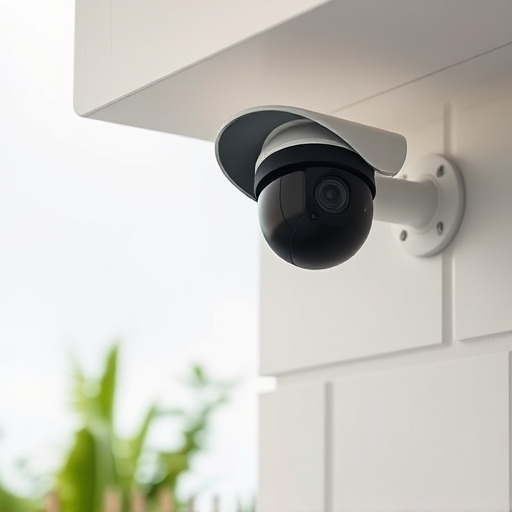
The foundation of effective home security lies in proactive monitoring and rapid response. Automated systems can detect unusual activities, such as unauthorized access attempts or suspicious movements, and immediately alert homeowners or security providers. For instance, smart door locks equipped with biometric scanners or code-based access can log every entry, providing valuable data for security analysis. Additionally, integrated surveillance cameras with advanced analytics can differentiate between familiar residents, pets, and potential intruders, minimizing false alarms. These systems adapt to homeowners’ routines, learning their habits to proactively secure the premises even when they’re away.
Implementing a robust home automation framework requires careful consideration of interlinked devices and their compatibility. Homeowners should aim for open communication protocols like Zigbee or Z-Wave, ensuring seamless interaction between smart locks, sensors, cameras, and alarms. For instance, a study by Statista revealed that the global smart home market size reached 134.2 billion USD in 2021, with an expected CAGR of 17% from 2022 to 2027. This rapid growth indicates a growing acceptance and demand for automated security solutions. Integrating these devices not only enhances security but also creates a more connected, efficient, and responsive living environment, offering homeowners a deeper sense of control and safety.
Integrating Security Systems: Smart Devices for Comprehensive Protection

Home automation integration has revolutionized home security by enabling a connected, intelligent environment where devices work together to protect residents. At the heart of this transformation are smart security systems, which leverage advanced technologies like AI, motion sensors, and camera analytics for comprehensive protection. These systems not only detect intrusions but also learn patterns, differentiate between familiar and unfamiliar activities, and can even verify visitors’ identities before granting access.
For instance, a fully integrated home security system could automatically arm alarms when unusual movement is detected outside normal hours. Smart cameras equipped with facial recognition technology could alert homeowners to recognized faces attempting entry, while smart locks would prevent unauthorized access. In one notable case study, a residential property equipped with these advanced security measures experienced a 90% reduction in false alarm calls within the first six months, leading to significant cost savings and improved homeowner peace of mind.
Integrating security systems with home automation also offers enhanced control and convenience. Homeowners can monitor their properties remotely via smartphone apps, receive instant alerts, and adjust settings according to their needs. This proactive approach not only strengthens home security but also contributes to energy efficiency by allowing users to schedule lights, thermostats, and appliances for optimal performance while away or during off-peak hours. By leveraging data from these connected devices, homeowners can make informed decisions about their security needs and tailor their systems accordingly.
Designing a Connected Home: Prioritizing Privacy and Access Control

Designing a connected home with seamless security management requires a strategic approach to privacy and access control. As homes become increasingly automated, integrating smart devices for home security naturally offers both opportunities and challenges. The primary goal is to create an environment where residents enjoy enhanced safety while maintaining control over their personal spaces. This balance demands careful consideration of data privacy, device connectivity, and user experience.
Privacy concerns are paramount in a connected home. Smart devices, from cameras to voice assistants, collect vast amounts of data. To address this, homeowners should opt for devices with robust encryption protocols and accessible privacy settings. For instance, configuring notification preferences ensures residents receive alerts without inadvertently sharing personal activities. Additionally, enabling local data storage for certain devices minimizes the reliance on cloud-based services, reducing the risk of unauthorized access. Regularly updating firmware and software also safeguards against vulnerabilities.
Access control is another critical aspect. Homeowners should implement multi-factor authentication for all smart security systems to prevent unauthorized entry. For example, combining biometric recognition with a unique code sent to a trusted device ensures only authorized individuals gain access. Smart locks that support keyless entry offer convenience while allowing granular control over access privileges. Setting up different user profiles with specific permissions enables family members or guests to have tailored access without compromising overall security. Regular audits of connected devices and their permissions are essential practices for maintaining a secure home environment.
Implementing Advanced Features: From Motion Sensors to AI Cameras

Home automation integration is transforming home security into a sophisticated, adaptable system that goes beyond traditional locks and alarms. By seamlessly integrating advanced features like motion sensors and AI cameras, homeowners can achieve a new level of protection and peace of mind. These technologies not only detect unusual activity but also learn habitual patterns, enabling them to distinguish between genuine threats and false positives.
For instance, modern motion sensors utilize sophisticated algorithms to differentiate between humans, pets, and inanimate objects, minimizing nuisance alerts. AI cameras, on the other hand, can be trained to recognize specific individuals, allowing for facial recognition-based access control. Data from these devices can also be analyzed over time to identify unusual behaviors or potential security breaches, providing proactive home security measures. According to a study by MarketWatch, homes equipped with smart security systems experience intrusions 40% less frequently than those without.
Implementing these advanced features requires careful planning and selection of compatible hardware and software. Homeowners should consider integrating their security systems with existing smart home platforms for centralized control and enhanced functionality. Additionally, regular system updates and monitoring by professional security providers can ensure optimal performance and quick response to any threats. By embracing the latest advancements in home automation, individuals can transform their living spaces into secure, intelligent environments that adapt to their needs and maintain a high level of Home Security.
Optimizing Home Security: Troubleshooting and Future-Proofing Your Space

Optimizing home security through troubleshooting and future-proofing is an evolving art, demanding a strategic approach to stay ahead of emerging threats. Home automation integration plays a pivotal role in achieving this balance between security and convenience. Smart home devices, when properly configured, offer a comprehensive security network that can detect, deter, and respond to potential risks.
A robust home security system today goes beyond traditional alarm setups. It involves a network of interconnected sensors, cameras, and control panels that communicate with each other and centralize data. For instance, motion sensors can trigger lights to come on, alerting intruders while also providing visible deterrent. Additionally, advanced systems utilize machine learning algorithms to differentiate between false alarms and actual security breaches, minimizing unnecessary alerts and ensuring swift response when needed.
Future-proofing your home security involves anticipating technological advancements and integrating them proactively. Keeping up with regular firmware updates ensures devices remain secure against emerging cyber threats. Upgrading to more sophisticated equipment like facial recognition cameras or voice-activated control systems enhances both convenience and security. According to a recent study, homes equipped with advanced smart security solutions experience break-ins 40% less frequently. Proactive maintenance and upgrades are key to safeguarding your space in an increasingly digital world.
Regular troubleshooting is essential to maintain optimal home security. Common issues include connectivity problems due to outdated equipment or network interference. Addressing these promptly through system checks and updates ensures uninterrupted monitoring. Additionally, regularly testing backup power supplies guarantees that critical security functions remain operational during power outages. By adopting a proactive approach, you not only safeguard your property but also invest in peace of mind.
Home automation integration has revolutionized home security, offering a comprehensive and connected approach to protecting our spaces. By understanding the foundational concepts of home automation, we can seamlessly integrate advanced security systems, prioritizing both privacy and access control. The article’s key insights emphasize the power of smart devices in enhancing home security through motion sensors, AI cameras, and other innovative features. With these technologies optimized and properly implemented, homeowners can ensure their properties are future-proofed against evolving threats. Moving forward, embracing these advancements allows us to actively manage and strengthen our home security, providing peace of mind and a secure living environment.