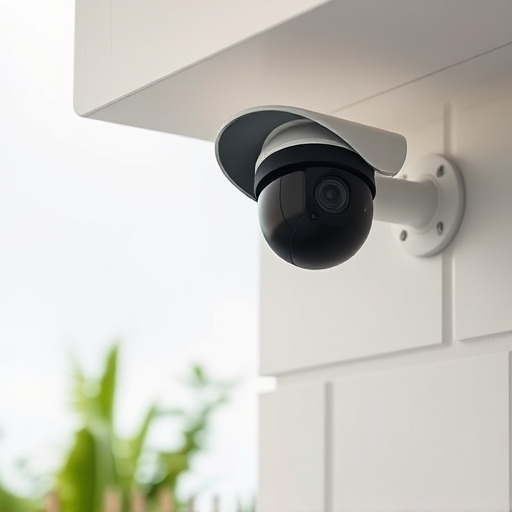
Evaluating home security needs is crucial before installing surveillance cameras. Focus on high-risk areas, combine cameras with alarms and locks for layered protection. Choose cameras based on resolution, field of view, and night vision. Install strategically to eliminate blind spots, maintain privacy, and test regularly. Research shows visible cameras reduce break-ins by 30%. Optimize placement for comprehensive coverage and peace of mind.
In today's world, home security is a top priority for many homeowners. With the ever-growing concerns about safety and privacy, surveillance camera installation has emerged as a powerful tool to enhance visibility and deter potential threats. The problem lies in the complex landscape of options available, making it challenging for individuals to choose the best solution for their needs. This article provides an authoritative guide to navigating this process, offering insights into the benefits, considerations, and best practices for surveillance camera installation, ultimately empowering homeowners to fortify their home security.
- Evaluating Your Home Security Needs
- Selecting and Installing Surveillance Cameras
- Optimizing Camera Placement for Maximum Visibility
Evaluating Your Home Security Needs

Evaluating your home security needs is a crucial step in determining the most effective surveillance camera installation strategy. Understanding your property's unique vulnerabilities is essential to enhancing home security and prevention of potential crimes. According to the FBI, property crime rates decreased by 4% between 2018 and 2019, but burglaries still account for a significant portion of these incidents. This highlights the importance of proactive measures like surveillance cameras in safeguarding your home and belongings.
Begin by assessing high-risk areas such as entry points (doors, windows), valuable asset locations, and areas with limited visibility. For instance, if your home has a side gate leading to a backyard, installing cameras at this entrance can deter intruders and provide clear footage for any suspicious activity. Additionally, consider the environment; dense foliage or obstructed views may require strategic camera placement to ensure optimal coverage without privacy intrusion.
Home security professionals suggest a layered approach when designing a surveillance system. This involves combining cameras with other security measures like alarm systems, motion sensors, and secure locks. For example, integrating cameras with smart locks allows you to monitor who enters your home, while motion-activated cameras can detect unusual behavior in specific zones. Data from the National Crime Prevention Council shows that homes with security systems are 3 times less likely to be targeted by burglars. A comprehensive evaluation of your needs will ensure a tailored solution, offering peace of mind and enhanced safety for your family.
Selecting and Installing Surveillance Cameras

Selecting and installing surveillance cameras is a strategic step towards enhancing home security and gaining valuable visibility. The first consideration is identifying areas requiring monitoring—this could range from exterior entry points to interior spaces for asset protection. A comprehensive approach involves assessing potential risks, understanding environmental factors like lighting and weather conditions, and factoring in legal requirements regarding privacy. For instance, positioning cameras near windows or doors can deter potential intruders, while strategic placement outdoors can also aid in identifying and preventing property damage.
When choosing surveillance cameras, resolution, field of view, and night vision capabilities are key specifications to evaluate. High-definition (HD) cameras offering wide fields of view provide clearer images, enabling easier identification. Night vision features equipped with infrared technology ensure continuous monitoring, even in low-light conditions, which is critical for 24/7 home security. It's essential to select camera types suited to specific needs; indoor cameras might focus on clear footage while outdoor models should withstand varying weather conditions.
Installation involves careful planning and attention to detail. Cameras should be positioned at strategic angles for optimal viewing without compromising privacy. Mounting them at eye level or slightly elevated ensures wide-angle coverage. Running cables discreetly—especially in exterior installations—is crucial for maintaining an aesthetically pleasing environment while ensuring robust connectivity. Regular testing and maintenance are also vital; checking camera function, storage capacity, and network stability helps ensure continuous monitoring and reliable home security.
Optimizing Camera Placement for Maximum Visibility

Optimizing camera placement is a strategic art that transforms ordinary surveillance systems into powerful tools for enhancing home security and visibility. The goal is to create an environment where every corner is visible, eliminating blind spots that could be exploited by potential intruders. This involves understanding the interplay of angles, lighting, and obstacles within the surveillance zone. For instance, strategically positioning cameras near entry points like doors and windows, or in areas with high foot traffic, can significantly deter criminals. According to a study by the National Crime Prevention Council, homes with visible security cameras are 30% less likely to experience break-ins.
When planning camera placement, consider the following: first, assess the layout of your property, identifying key areas that require monitoring, such as front entrances, backyards, or parking lots. Next, ensure each camera has a clear view, free from obstructions like trees or signs, to capture high-resolution footage. Proper lighting is also crucial; infrared cameras can be effective in low-light conditions but should be used judiciously to avoid disturbing neighbors. In residential settings, mounting cameras at eye level and slightly downward can maximize coverage while minimizing the risk of capturing sensitive areas inside homes.
A professional approach involves using multiple camera angles to create a comprehensive view. For example, installing one camera at the main entrance, another covering the side yard, and a third overlooking the garage door provides a multi-layered security net. Additionally, integrating these cameras with a central monitoring system allows for remote access and real-time alerts, enhancing the overall home security strategy. Regular maintenance and testing of these systems are vital to ensure they function optimally when most needed.
By meticulously evaluating your home security needs, selecting robust surveillance cameras, and strategically placing them for maximum visibility, you significantly enhance your home's security. This article has guided you through each step, from understanding your unique requirements to optimizing camera placement to ensure comprehensive coverage. Now equipped with these insights, you can take proactive measures to safeguard your property, fostering a sense of peace of mind and fortifying against potential threats. Embrace these practical next steps: review your home's security vulnerabilities, choose high-quality cameras suited for your needs, and meticulously position them for unobstructed views. Your investment in home security is both wise and valuable, offering peace of mind and added protection for you and your loved ones.