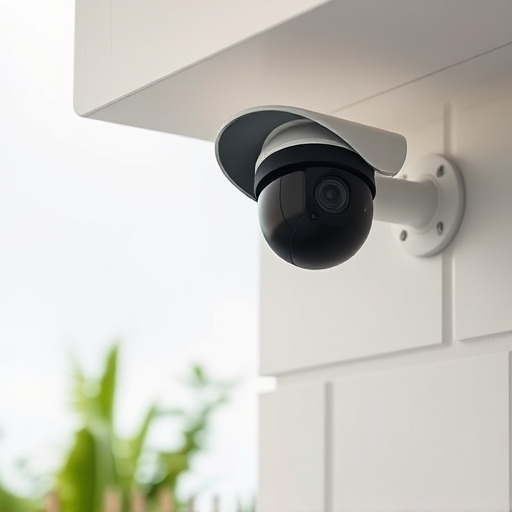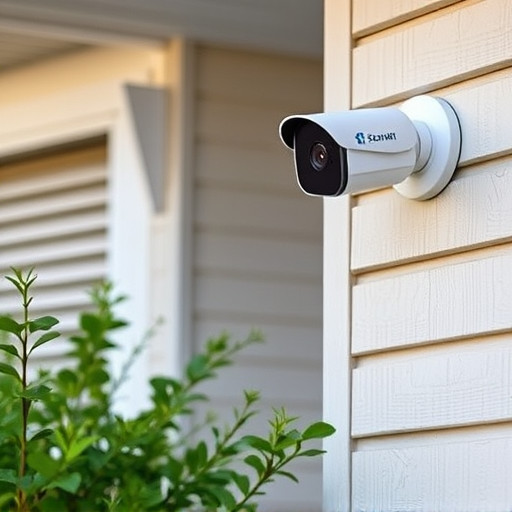
Home Security: A Comprehensive Overview
Introduction
In an era where the sanctity of one’s abode is under constant threat from a myriad of both physical and digital intruders, the concept of home security transcends mere lock and key mechanisms. It encompasses a sophisticated blend of technology, policy, and vigilance to protect homes from various threats. This article delves into the multifaceted world of home security, exploring its components, historical context, global impact, technological advancements, economic considerations, and future prospects. By the end of this exploration, readers will have a comprehensive understanding of the importance of home security in safeguarding residences, personal belongings, and most importantly, the safety and well-being of families.
Understanding Home Security
Home security is a multidimensional strategy designed to protect households from a range of threats, including theft, vandalism, natural disasters, and cyber-attacks. Its core components include physical barriers like locks and alarms, surveillance systems, access control, monitoring services, and integrated smart home technology. Historically, the evolution of home security parallels human civilization’s efforts to secure personal spaces, from primitive barricades to sophisticated electronic systems. The significance of home security within the broader landscape lies in its role as a deterrent against crime, a safeguard against accidents, and a critical component of emergency response planning.
Global Impact and Trends
The influence of home security is not confined to any single region; it is a global concern that adapts to local conditions. In developed nations like the United States and countries in Western Europe, smart technology integration is leading the way. In contrast, emerging economies are focusing on affordable solutions to address widespread issues of theft and burglary. Key trends shaping home security include the adoption of IoT (Internet of Things) devices, AI-driven analytics for surveillance footage, and the increasing role of government regulations in standardizing security practices. The global impact is evident in the way home security systems are tailored to local cultures, crime rates, and technological advancements.
Economic Considerations
The market dynamics of home security reflect a balance between consumer demand for safety and privacy, and the economic incentives of service providers and manufacturers. Investment patterns indicate a growing sector with significant R&D expenditure. Home security is not only an investment in physical assets but also contributes to the economic resilience of communities by reducing crime rates and insurance costs. Its role in economic systems is multifaceted, influencing everything from job creation in technology sectors to insurance premiums.
Technological Advancements
The technological landscape of home security has undergone a revolution with the advent of smart devices and AI-driven solutions. Biometric locks, remote surveillance, motion detection, and automated response systems are now commonplace. The impact of these advancements is profound, offering homeowners unprecedented control over their security arrangements. The future potential includes even more integrated and autonomous systems, leveraging blockchain for data security and AI for predictive analytics.
Policy and Regulation
Home security is governed by a complex web of policies and regulations that vary by jurisdiction. In the United States, the National Fire Protection Association (NFPA) sets standards for fire safety and alarm systems. The European Union has directives that dictate privacy and data protection in relation to home surveillance technologies. These frameworks influence the development and implementation of home security measures, ensuring they are both effective and respectful of individual rights.
Challenges and Criticisms
Home security is not without its challenges and criticisms. Issues such as privacy concerns, false alarms, and the potential for technological vulnerabilities to cyber-attacks are significant. Additionally, the affordability and accessibility of advanced home security systems can create a divide between different socioeconomic groups. Proposed solutions include improving system reliability, enhancing consumer education, and fostering collaboration between tech companies and regulators to address cybersecurity threats.
Case Studies
Several case studies illustrate the successful application of home security measures. A neighborhood in San Antonio, Texas, leveraged a community-wide smart security system that significantly reduced crime rates. In London, the deployment of advanced surveillance cameras has been credited with a decrease in theft and vandalism. These case studies provide valuable insights into how home security can be effectively implemented and the positive outcomes it can achieve.
Future Prospects
The future outlook for home security is one of continuous evolution, driven by emerging trends such as the integration of home automation and the use of predictive analytics to anticipate and prevent security breaches. Potential growth areas include biometric authentication technologies and personalized security solutions tailored to individual lifestyles and risk profiles. Strategic considerations for the future must focus on maintaining the balance between innovation, privacy, and accessibility.
Conclusion
Home security is a critical component of modern life, safeguarding homes against a myriad of threats. Its relevance is underscored by the global impact it has, the economic considerations it entails, and the technological advancements that continue to shape its trajectory. As we look to the future, home security will undoubtedly evolve, but its core mission—to protect families and their homes—remains steadfast.
FAQ Section
-
What is home security? Home security encompasses a range of measures and technologies designed to protect residential properties from unauthorized access, theft, and other security breaches.
-
How has technology changed home security? Technology has revolutionized home security through the integration of smart devices, AI, biometrics, and remote monitoring capabilities, providing homeowners with more effective and responsive solutions.
-
What are some common home security systems? Common systems include door and window locks, surveillance cameras, motion detectors, alarm systems, and integrated smart home technologies that can be managed remotely via apps or online platforms.
-
Are there regulations governing home security systems? Yes, regulations vary by jurisdiction but generally cover aspects such as data protection, privacy, and the monitoring and response protocols for alarm systems.
-
How can I make my home more secure? You can enhance your home’s security by installing a comprehensive home security system, using smart locks and surveillance cameras, adopting good habits like locking doors and windows, and staying informed about the latest security threats and solutions.
-
What are some affordable home security options? Affordable options include basic alarm systems, motion-activated lights, timers for lights and electronics, and smartphones as a central control point for various security features.
-
How can I protect my home from cyber threats? Protect your home from cyber threats by using secure passwords, updating your system’s firmware regularly, employing firewalls and anti-malware software, and being cautious of the devices you connect to your network.
-
What is the role of AI in home security? AI plays a significant role in home security through advanced analytics for surveillance footage, predictive behavioral modeling to prevent breaches, and automated responses to detected threats or alarms.
In a fast-paced world, achieving peace of mind at home is key to overall well-being. Investing in robust home security systems, including locks, cameras, and alarm monitoring, safeguards families, possessions, and privacy. Satisfaction guarantees offer additional peace of mind, encouraging informed choices. Modern technology like smart locks, motion sensors, and app-accessible surveillance cameras enhance security, reduce anxiety, and enable quicker emergency responses, ultimately providing invaluable peace of mind.
“Experience true peace of mind with home security satisfaction guarantees. In today’s world, ensuring the safety of your sanctuary is paramount. This article guides you through navigating the landscape of home security, highlighting the vital role satisfaction guarantees play in fostering tranquility.
We’ll explore how understanding peace of mind within home security sets the stage for robust measures, ultimately enhancing your well-being. Discover the benefits of implementing these strategies and witness the transformative power they hold.”
Understanding Peace of Mind in Home Security
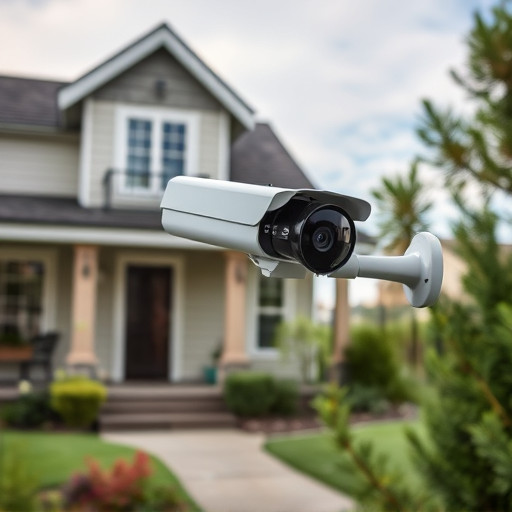
Peace of mind is a valuable asset, especially when it comes to home security. In today’s fast-paced world, feeling secure in your own home is essential for overall well-being. Understanding what constitutes peace of mind in this context involves recognizing the various aspects that contribute to a safe and comfortable living environment. It means having confidence that your family, possessions, and privacy are safeguarded from potential threats.
Home security encompasses a range of measures designed to deter criminal activity, protect personal belongings, and ensure the safety and privacy of residents. From robust locks and security systems to surveillance cameras and alarm monitoring, these tools collectively work towards creating an impenetrable fortress for your home. By investing in comprehensive home security solutions, individuals can achieve a sense of tranquility, knowing that their sanctuary is secure from unexpected intrusions or dangers.
The Role of Satisfaction Guarantees
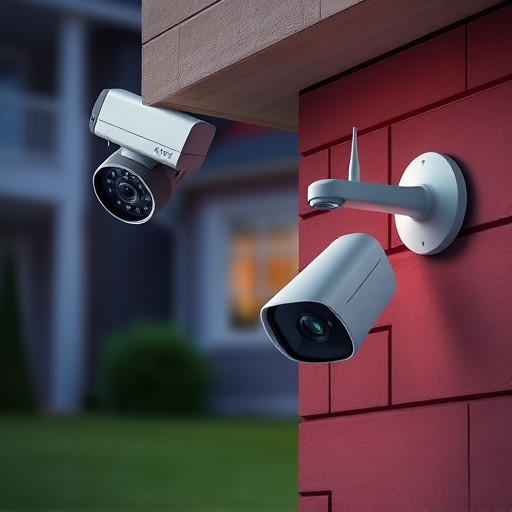
Satisfaction guarantees play a pivotal role in fostering peace of mind, especially when it comes to safeguarding our homes and ensuring top-tier security. In today’s fast-paced world, where worries about personal safety are ever-present, these guarantees offer a sense of reassurance. When you invest in home security systems or services, a satisfaction guarantee acts as a shield, assuring you that your decision is backed by confidence. This assurance is particularly crucial for individuals seeking protection from potential intruders and hazards.
By offering such guarantees, companies demonstrate their commitment to customer fulfillment. It encourages consumers to make informed choices, knowing they can rely on the products or services provided. In the context of home security, this translates to enhanced peace of mind, allowing homeowners to focus on creating safe and secure environments for themselves and their loved ones.
Implementing and Benefitting from Peace of Mind Measures
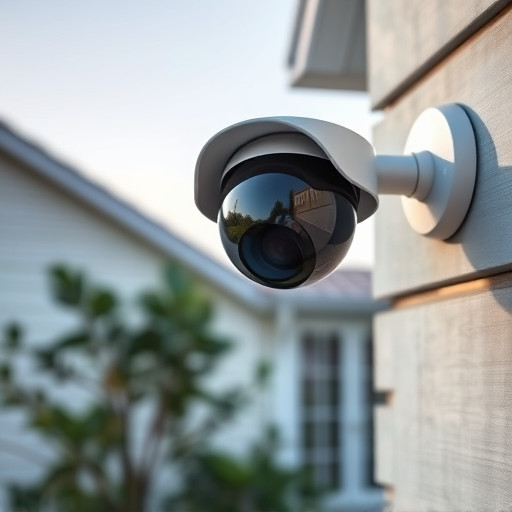
Implementing peace of mind measures at home is a proactive step towards enhancing security and well-being. Starting with basic locks and alarm systems, homeowners can create layers of protection. Modern technology offers smart solutions like automated lighting, motion sensors, and remote access to surveillance cameras, all accessible via a smartphone app. These features not only provide real-time alerts but also deter potential intruders.
Benefits extend beyond physical security; peace of mind measures reduce anxiety and stress related to home safety. Knowing your family is secure allows you to focus on enjoying everyday life. Additionally, quick response times during emergencies can be life-saving. Investing in these measures shows a commitment to personal safety and offers valuable peace of mind in today’s world.
Satisfaction guarantees play a pivotal role in enhancing peace of mind within home security. By understanding what constitutes peace of mind and implementing measures that provide assurance, homeowners can enjoy greater tranquility. These guarantees not only offer financial protection but also demonstrate the trustworthiness of security solutions, fostering a safer and more secure living environment. Incorporating satisfaction guarantees into your home security strategy is a proactive step towards safeguarding what matters most.