
Home Security is a multifaceted challenge requiring proactive measures. Key threats include burglary (mitigated by quality locks, security systems) and fire hazards (smoke alarm testing, emergency kit preparation). Digital threats necessitate smart home technology, motion sensors, HD cameras, and real-time alerts. Regular lock updates with biometric authentication and robust physical barriers are crucial. A multi-layered approach combining physical and digital security reduces burglaries by 50%, per FBI studies. Stay informed about local crime trends and emerging digital vulnerabilities for a comprehensive, adaptive Home Security strategy.
In today's digital era, ensuring home security has become a paramount concern for families worldwide. With the rise of advanced technologies and ever-evolving cyber threats, safeguarding our personal spaces is more complex than ever. This article aims to demystify common home security threats and offer practical solutions for enhancing your fortress. We will delve into the intricate landscape of potential risks, from physical intrusions to digital breaches, and equip readers with knowledge and tools to fortify their homes effectively. By exploring evidence-based strategies, you'll gain valuable insights into maintaining a secure environment.
- Identifying Common Home Security Threats
- Implementing Effective Home Security Solutions
- Strengthening Your Home's Defenses: Best Practices
Identifying Common Home Security Threats
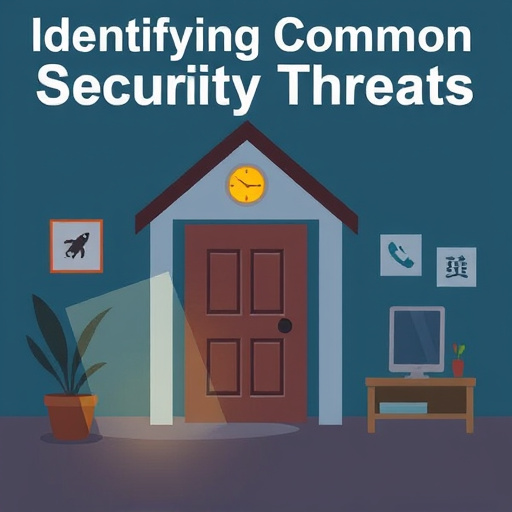
Identifying common home security threats is the first line of defense for any homeowner looking to protect their family and property. Home security involves addressing a range of potential risks, from break-ins and theft to fire hazards and natural disasters. According to the FBI, about 3.4 million property crimes are reported each year in the United States, with many occurring during daylight hours when homeowners are away or distracted. Understanding these threats is crucial for implementing effective solutions that can deter criminals and mitigate risks.
One of the most common home security threats is burglary, which often occurs through unsecured entry points like windows, doors, and garages. Simple yet powerful preventive measures include installing high-quality locks and security systems with motion detectors. For instance, research shows that a visible security system reduces the likelihood of a break-in by up to 75%. Additionally, homeowners should consider investing in robust door and window frames, as well as using reinforced glass, to deter would-be intruders.
Fire hazards represent another significant home security threat. Kitchen fires, electrical malfunctions, and faulty heating systems can quickly escalate into devastating blazes. Regularly testing smoke alarms, replacing batteries, and creating a fire escape plan are essential actions for enhancing home security. According to the National Fire Protection Association (NFPA), working smoke alarms cut the risk of dying in a home fire by nearly half. Moreover, having an emergency kit readily available ensures that your family can respond effectively during a crisis, increasing survival chances significantly.
Implementing Effective Home Security Solutions
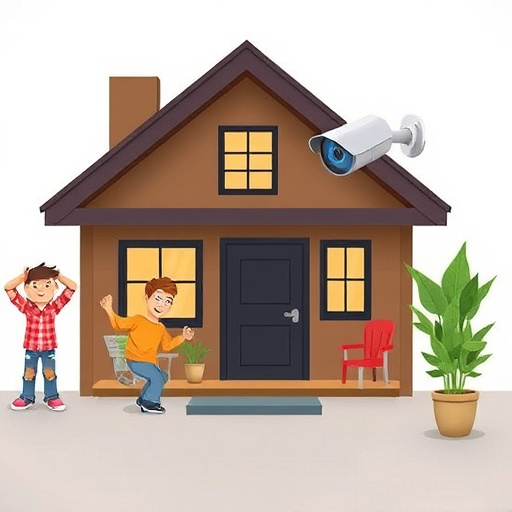
Home security has become a top priority for many as we navigate an increasingly complex digital landscape. With threats ranging from break-ins to cyberattacks, implementing robust home security solutions is essential. A comprehensive approach involves both physical and digital measures tailored to individual needs and circumstances.
One of the most effective strategies is integrating smart home technology. For instance, advanced security systems equipped with motion sensors, HD cameras, and real-time alerts can deter intruders and provide immediate notifications to homeowners or authorities. Moreover, these systems can be remotely monitored and controlled via smartphones, offering peace of mind and enhanced control over one's sanctuary. According to a study by the National Crime Prevention Council, homes with alarm systems are 3 times less likely to experience a break-in.
Beyond smart technology, robust physical security measures such as reinforced doors and windows, high-quality locks, and secure entry points significantly deter potential criminals. Homeowners should also invest in quality lighting around their properties, as well as exterior cameras for additional surveillance. Regularly reviewing and updating these measures is crucial to keeping up with evolving threats. For instance, replacing older locks with smart locks that utilize biometric authentication or code access can add layers of protection.
Cultivating a safe environment necessitates a holistic approach where technology and physical precautions converge. By combining sophisticated home security solutions with common sense practices, individuals can fortify their spaces against potential dangers. Staying informed about emerging threats and adapting security measures accordingly is paramount in today's dynamic security landscape.
Strengthening Your Home's Defenses: Best Practices
Strengthening your home's defenses is a multifaceted endeavor that requires a combination of robust security measures and intelligent implementation. According to a recent report by the National Crime Prevention Council, approximately 38% of burglaries occur due to easily accessible points of entry, highlighting the critical need for reinforced security practices. A comprehensive approach involves both physical and digital barriers, regular maintenance, and proactive monitoring.
One of the most effective strategies is installing high-quality locks and security systems. Advanced lock mechanisms with smart features, such as fingerprint or keyless entry, significantly deter potential intruders. Additionally, integrating a home security system that includes motion sensors, glass break detectors, and surveillance cameras offers multi-layered protection. For instance, a study by the FBI found that homes with security systems were 50% less likely to be targeted by burglars. Proactive monitoring through professional security services further enhances these benefits, providing immediate alerts and rapid response times.
Regular maintenance and upgrades are equally vital. Keep all doors and windows in good working condition, ensuring seals and hinges are secure. Replace outdated hardware with modern, durable options designed to withstand forced entry attempts. Additionally, consider the effectiveness of your current security setup against evolving threats; for example, wireless security systems have become more prevalent but may be vulnerable to hacking unless properly encrypted. Stay informed about local crime trends and adapt your defenses accordingly, ensuring your home remains a fortress in an ever-changing security landscape.
Understanding common home security threats and implementing robust solutions is paramount for any homeowner seeking to protect their sanctuary. By identifying vulnerabilities like outdated security systems, weak passwords, and unlocked doors, individuals can take proactive measures. Effective home security solutions involve integrating advanced technology, such as smart locks, surveillance cameras, and motion sensors, to deter intruders. Best practices include regular system updates, strong password hygiene, and securing outdoor areas. Armed with these insights, homeowners can significantly enhance their home security, fostering a safer and more secure environment for themselves and their families.