
Fire and carbon monoxide (CO) detection systems are vital components of home security. Modern sensors use ionization and photoelectric technologies to detect fires and CO buildup. Strategic placement on each floor near bedrooms is key. Regular maintenance, including battery replacement and testing, ensures reliability. Integrating these systems with home security alarms offers comprehensive protection, proactive responses, and peace of mind.
In today's world, home security is paramount, and fire and carbon monoxide detection systems stand as cornerstone components. These life-saving devices play a critical role in safeguarding families and properties from the invisible threats of smoke and toxic gases. However, many homes lack adequate protection, leaving them vulnerable to devastating consequences. This article delves into the significance of advanced fire and carbon monoxide detection systems, outlining the risks they mitigate and the enhanced home security they provide. By exploring cutting-edge technologies and installation best practices, we empower homeowners with knowledge to fortify their shelters against potential hazards.
- Understanding Fire and Carbon Monoxide Dangers
- Choosing the Right Detection Systems for Your Home
- Installing and Positioning Sensors Strategically
- Regular Maintenance for Optimal Performance
- Integrating with Home Security Alarms: A Complete Solution
Understanding Fire and Carbon Monoxide Dangers
Fire and carbon monoxide (CO) dangers pose significant risks to home security and occupant safety. Fires can rapidly spread, causing extensive damage and endangering lives. According to the National Fire Protection Association (NFPA), in 2018, fire departments in the United States responded to an average of 376,000 home fires annually, resulting in substantial property losses and a concerning number of fatalities. Carbon monoxide, an invisible and odorless gas produced by combustion, is equally insidious. It can accumulate in homes, leading to asphyxiation or other health complications, especially during sleep when individuals are less likely to detect its presence.
Understanding these hazards is crucial for implementing effective home security measures. Modern fire detection systems, including smoke and heat detectors, have become essential components of home safety. These devices operate on various principles, such as ionization and photoelectric sensors, to identify the distinct characteristics of a fire. For instance, ionization detectors respond swiftly to fires involving fast-burning materials by detecting ions released during combustion, while photoelectric sensors are more sensitive to slow-burning, smoldering fires. Regular maintenance, including testing and battery replacement, ensures these systems remain reliable lifelines in emergency situations.
Carbon monoxide detection is equally critical. CO alarms should be installed on every level of the home, outside sleeping areas. Modern alarms are equipped with digital displays showing CO levels, alarm history, and low-battery signals. It's recommended to replace batteries annually or as suggested by the manufacturer, as a dead battery can lead to false alarms or no warning at all. For instance, according to the U.S. Consumer Product Safety Commission, over a 10-year period, CO alarms warned residents of 74 percent of CO poisonings, saving countless lives and preventing severe health outcomes. Taking proactive steps, such as installing and maintaining these detection systems, is vital for ensuring home security and safeguarding the well-being of occupants.
Choosing the Right Detection Systems for Your Home

Choosing the right fire and carbon monoxide detection systems is a critical component of home security. Your home's safety isn't just about locks and alarms; it involves creating an environment where potential hazards are detected and addressed promptly. Fire and carbon monoxide (CO) detectors serve as your first line of defense against life-threatening emergencies, making their selection and placement paramount.
When selecting these systems, consider your home's layout, the number of stories, and occupancy. For instance, homes with multiple levels require a detector on each floor, strategically placed in corridors or near bedrooms. According to the National Fire Protection Association (NFPA), over 70% of fire deaths occur in homes without working smoke alarms, highlighting the vital role these devices play. Modern detectors offer advanced features like long-life batteries, dual sensors for smoke and heat, and wireless connectivity, enhancing home security by providing faster alerts and remote monitoring.
Moreover, understanding the differences between ionization and photoelectric detectors is essential. Ionization detectors are more responsive to fast-burning fires, while photoelectric detectors excel at detecting slow-smoldering ones. Many experts recommend installing a combination of both types for comprehensive protection. Regular maintenance, including testing and battery replacement, ensures these systems remain reliable. By prioritizing the right detection systems and maintaining them properly, homeowners can significantly enhance their safety and peace of mind.
Installing and Positioning Sensors Strategically
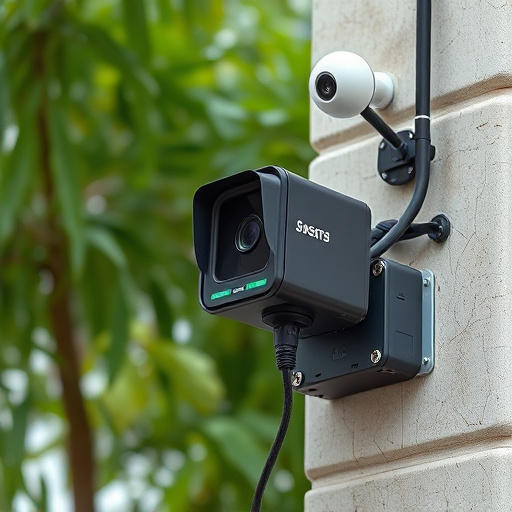
Installing and positioning sensors strategically is a critical aspect of enhancing home security through fire and carbon monoxide detection systems. These systems serve as the first line of defense against potential hazards, with each sensor playing a unique role in monitoring your home's environment. For instance, smoke or fire detectors should be installed on every level of the home, outside sleeping areas, and inside kitchens and bathrooms. Carbon monoxide sensors, on the other hand, are best placed near bedrooms, as carbon monoxide is odorless and can quickly build up to dangerous levels while people sleep.
A key consideration in strategic sensor positioning is ensuring they are out of reach from potential obstacles or sources of interference. For fire detectors, keep them away from kitchen vents, which can trigger false alarms due to steam or cooking fumes. Similarly, position carbon monoxide sensors at least 10 feet (3 meters) away from fuel-burning appliances like furnaces, water heaters, and stoves to avoid erratic readings. Remember, the goal is to create a comprehensive network that covers all potential entry points for hazardous gases and flames, enhancing home security and ensuring the safety of all occupants.
Regular maintenance and testing are equally crucial. Batteries should be replaced or recharged as recommended by the manufacturer, typically every 1-2 years depending on the model. Testing sensors monthly with a simple button press helps ensure they're functioning properly, while using simulated fire or carbon monoxide alarms periodically can further validate their effectiveness. By adhering to these best practices, you not only maximize the reliability of your detection systems but also reinforce your home's overall security posture.
Regular Maintenance for Optimal Performance
Regular maintenance is a cornerstone of effective fire and carbon monoxide (CO) detection systems, ensuring these vital home security tools operate at peak efficiency. A simple yet often overlooked aspect, regular servicing can significantly enhance the reliability of smoke and CO alarms, potentially saving lives and property. Over time, dust, debris, and even moisture can accumulate inside detectors, impacting their sensitivity and accuracy. For instance, a study by the National Fire Protection Association (NFPA) revealed that nearly 20% of tested alarms were non-functional due to inactivity or improper maintenance.
To maintain optimal performance, it's recommended to clean or replace alarms at regular intervals—typically every 3 to 5 years, depending on the manufacturer's guidelines and local regulations. This process involves replacing batteries, wiping down the sensor areas, and ensuring proper ventilation. For smoke detectors, testing with mock fire scenarios is also essential to verify their responsiveness. In contrast, CO detectors require different care, focusing on battery checks and unit replacement due to the sensitive nature of CO sensors.
Homeowners should create a routine maintenance schedule, incorporating both preventive measures and periodic tests. This proactive approach not only ensures the integrity of detection systems but also fosters a culture of safety within the household. By embracing regular maintenance, homeowners can have peace of mind, knowing their family and property are protected by reliable, up-to-date fire and CO detection systems—a crucial aspect of modern home security.
Integrating with Home Security Alarms: A Complete Solution
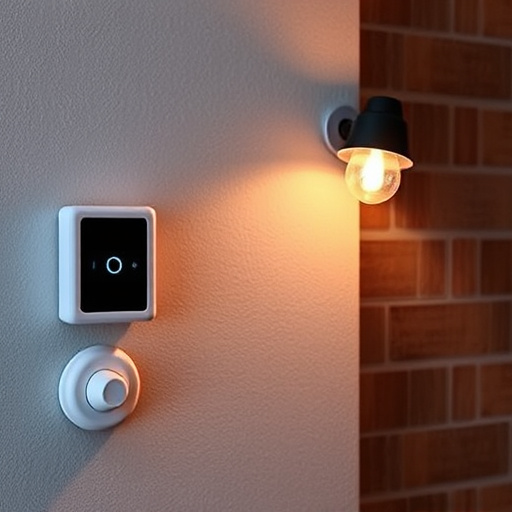
Integrating fire and carbon monoxide (CO) detection systems with home security alarms offers a complete and comprehensive solution for enhancing residential safety. These integrated systems act as sentinels, providing continuous monitoring against potential hazards that could go unnoticed otherwise. By seamlessly connecting with existing security alarm panels, these detectors trigger alerts not only within the home but also to security providers and emergency services, ensuring swift response times. For instance, a modern smart home equipped with such a system can automatically notify occupants and authorities of a fire or CO leak, allowing for immediate evacuation and potential saving of lives.
The benefits are manifold. First, it offers peace of mind by providing proactive protection against two of the leading causes of residential fatalities—fire and CO poisoning. According to the National Fire Protection Association (NFPA), in 2021, fire departments responded to an estimated 375,000 home structure fires in the United States alone. Integrating these detection systems with home security naturally ensures that occupants are alerted not just to a fire but also to its specific location within the home, enabling faster evacuation. Moreover, CO detectors play a vital role in identifying a silent killer, especially during colder months when heating systems are in use.
Implementing this integration requires careful planning and selection of compatible devices. Homeowners should opt for detection systems certified by reputable organizations like Underwriters Laboratories (UL) or Intertek, ensuring they meet stringent safety standards. A professional security installer can facilitate the process, configuring each detector to communicate with the central control panel and ensuring reliable signal transmission throughout the home. Regular maintenance, including battery replacement and system testing, is crucial to guarantee optimal performance when it matters most. By prioritizing these integrated systems, homeowners can rest assured that their homes are protected by a vigilant, interconnected safety network.
By equipping your home with reliable fire and carbon monoxide detection systems, you take a significant step towards enhancing your family's safety and securing your property. This article has illuminated the critical nature of these systems in identifying potential hazards early, providing invaluable time for evacuation. The key takeaways are clear: choosing the appropriate sensors tailored to your home's layout, strategic placement for maximum coverage, and regular maintenance to ensure their longevity are essential. Integrating these life-saving devices with a comprehensive home security system further fortifies your protection. Moving forward, homeowners should prioritize regular inspections, keep replacement batteries on hand, and consider smart integration for remote monitoring—a holistic approach that guarantees peace of mind and underscores the authority of this guide as an indispensable resource for prioritizing home security.