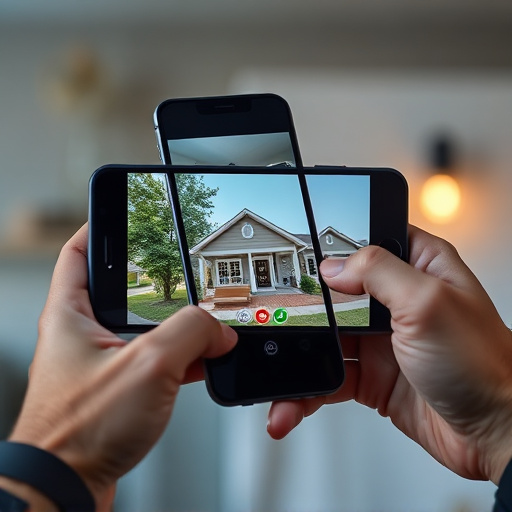
Moving into a new home is an exciting time, but it's also a critical moment to ensure your property is secure. Home security is a fundamental aspect of protecting your family, belongings, and investment. Neglecting basic security measures can lead to significant risks, from break-ins to package theft, especially when leaving doors open or windows achieved. This checklist guides new homeowners through essential steps to fortify their new space, addressing common vulnerabilities like garage doors, sliding glass doors, and vacation home security. By the end, you'll have a comprehensive plan to safeguard your home and peace of mind.
- Evaluating Home Security: An Initial Checkup
- Securing Entry Points: Garage Doors & Beyond
- Risk Management: Mitigating Leftout Garage Door Risks
- Final Steps: Locking Down Your New Space
Evaluating Home Security: An Initial Checkup
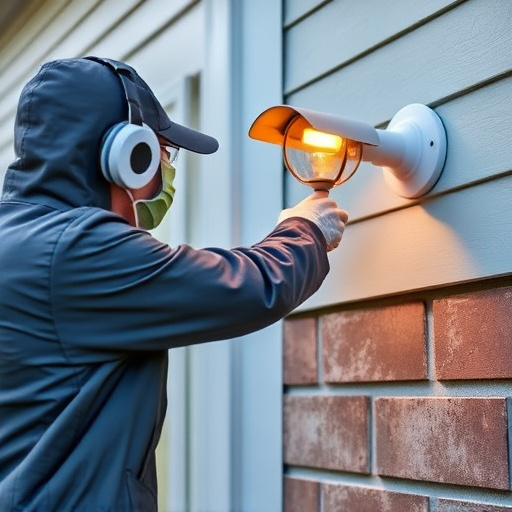
Moving into a new home is an exciting time, but it's also a crucial moment to evaluate and strengthen your home's security. This initial checkup is essential to ensure your family's safety and protect your investment. One of the most common entry points for intruders is the garage, so it's critical to consider the risks of leaving garage doors open. In the vibrant community of Marana, where many residents are "snowbirds" who spend part of the year away, securing your home thoroughly is paramount.
Start by assessing your garage door's security features. A Tucson garage door installer recommends regularly checking for loose or damaged springs, which could make it easier for intruders. Ensure your garage door has a robust locking mechanism, preferably a heavy-duty, automatic lock that engages when the door is closed. Consider installing a rolling code opener with a security feature that requires a unique access code, further deterring unauthorized entry. For added protection, secure the emergency release mechanism, as it could be a potential weak point.
Next, focus on your home's exterior. Install outdoor security cameras with clear coverage of your garage, side gates, and any other potential entry points. Properly secure sliding doors with robust locks and consider adding security film to windows, which can deter break-ins and provide extra time during a forced entry attempt. Remember, the goal is to make your home as unappealing as possible to potential intruders. Take advantage of natural landscaping to improve security; dense plants and trees can hide potential weaknesses, but ensure they don't obstruct emergency vehicle access.
Securing Entry Points: Garage Doors & Beyond
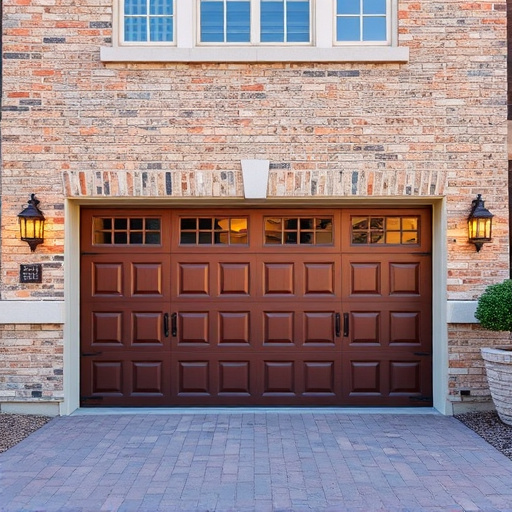
After moving into a new home, securing entry points is a crucial step in establishing a safe and protected environment. This is especially true for the garage door, a common point of entry for intruders. The risks of leaving garage doors open cannot be overstated, as they can provide easy access for burglars. A family-run Tucson garage door business like ours understands the importance of strong, secure garage doors and the role they play in your home's overall security.
Garage doors present unique challenges for security. They are often large, rolling-code openers that require robust protection. Smart home owners should invest in a reliable alarm system that includes garage door sensors. These sensors detect unauthorized opening attempts and alert you and the monitoring service. Pairing this with a smart garage door opener allows for remote control and monitoring, ensuring you always know what's happening in your garage. Consider implementing a secure entry code for the garage, avoiding the use of easily guessable codes or codes written on a sticker on the door.
Beyond the garage, securing other entry points is equally vital. Home security involves more than just doors; it's about protecting all access points. Install robust locks on all doors, including sliding doors, and reinforce weak points like side gates and block walls. Landscaping can also serve a security function; strategically placed trees or shrubs can obstruct line-of-sight access, while security lighting can deter potential intruders. Remember, a well-lit, visible home is less attractive to burglars. Finally, rekey the locks after moving in, ensuring you have the only key to your new home.
Risk Management: Mitigating Leftout Garage Door Risks
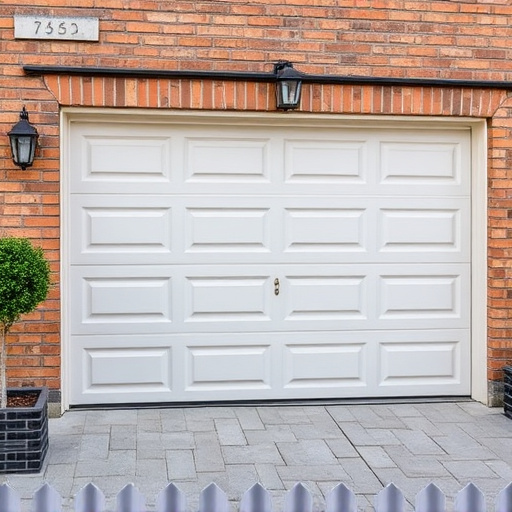
After moving into your new home, securing your property is a top priority. One common, yet often overlooked, weak point in home security is the garage door. In Tucson, with its unique climate and varying weather patterns, understanding and mitigating the risks of leaving garage doors open is crucial.
Garage doors left open create an invitation for thieves to access your home, especially during times when you're not present. In Marana, many homes are designed with garages as entry points due to their size and proximity to the main entrance. However, leaving them open can be a significant security risk. Consider the following:
- Surveillance cameras: Install cameras near the garage door to monitor activity. These cameras, paired with a reliable internet connection, allow you to stay vigilant from anywhere.
- Smart garage door monitoring: Utilize smart home technology to receive alerts when the garage door is opened or closed. This real-time monitoring can alert you to potential unauthorized access.
- Rolling code openers and security: Upgrade to a rolling code opener that requires a unique access code, changing regularly. This simple step significantly improves security compared to traditional keypads.
Upon moving in, it's essential to rekey all locks, including garage doors, to ensure previous residents' keys don't grant access. For added security, consider hiring a Tucson garage door opener technician to service or replace the opener, ensuring it meets modern security standards. This proactive approach to garage security is a key part of establishing a secure home environment, especially in a city like Tucson where diverse weather conditions can lead to power outages.
Final Steps: Locking Down Your New Space
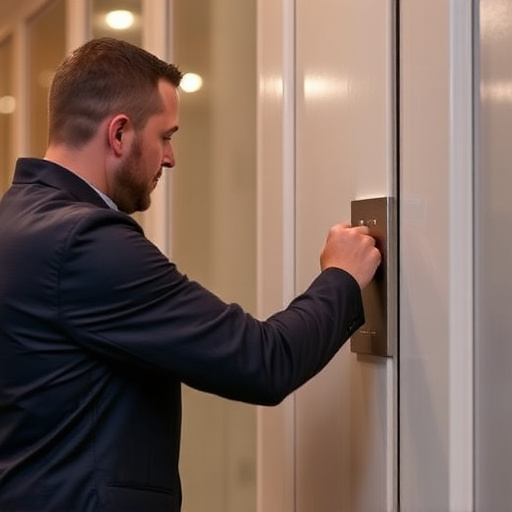
After moving into your new home, the final steps to securing your space are crucial. This involves a thorough assessment and reinforcement of your garage door and overall alarm system. One of the most significant risks to consider is the potential for burglars to gain access through an achieved or left-open garage door, especially during the initial days after moving in.
Start by ensuring your garage door is secure. Check the condition of the door and its components. A garage door company serving Tucson and Oro Valley recommends regular inspections to identify any weak points. If necessary, replace worn-out parts, such as springs or tracks, to enhance durability. Install a reliable garage door opener with advanced security features. Modern openers often come equipped with encryption technology and rolling code security, making it much harder for intruders to gain unauthorized entry. Consider integrating a smart home network that allows you to monitor and control your garage door remotely, adding an extra layer of security.
Next, review and strengthen your alarm system. Test all sensors, including motion detectors and glass breaks, to ensure they are functioning correctly. Many modern alarm systems offer real-time alerts, allowing you to receive notifications on your smartphone if any sensors are triggered. This is a valuable tool for immediate response and peace of mind. For added security, especially during power outages or while you're away on vacation, invest in backup power for your cameras and alarm system. This ensures that your home remains protected, even when the main power is cut off.
Frequently Asked Questions About a checklist for securing a home after moving in
What are the most important security measures to take after moving into a new home?
After moving, securing your new home is crucial. Begin by changing all locks, including front and back doors, garage doors, and any exterior access points. Install a security system if you haven't already; this can include alarms, cameras, and smart locks. Ensure your home is well-lit with motion-activated lights, especially in areas with high vegetation or potential dark spots. Regularly trim trees and shrubs to eliminate hiding spots for intruders. Consider installing a security gate or fence, especially if you have a pool or live in a suburban area.
How do I know if I need to upgrade my home's security system?
Assess your home's current security features and neighborhood safety. If you live in an area with a high crime rate, have valuable items, or a large property, an upgraded system is advisable. Consider the age and condition of your current system; outdated technology may need replacing to ensure optimal protection. Consult with local security professionals who can evaluate your needs and recommend suitable upgrades, such as adding more sensors or cameras.
What should I do about hard-to-reach areas and potential entry points?
Examine your home for any potential weak spots, such as attic access, crawl spaces, or utility openings. Install security cameras or sensors in these areas to deter intruders. Ensure proper ventilation and lighting in attics and crawl spaces to discourage unauthorized entry. Regularly inspect and repair any damaged screens, windows, or doors, and consider adding security grilles or bars for added protection.
Are there specific measures I should take to secure my outdoor space?
Absolutely. Keep your yard and outdoor areas well-maintained. Remove excessive vegetation that could provide cover for intruders. Install outdoor lighting with motion sensors to deter criminals and make your property more visible. Store outdoor tools, gardening equipment, and other potential weapons securely to prevent their misuse. If you have a pool, ensure it's properly fenced and gated, adhering to local safety regulations.
How can I protect my home from natural disasters and power outages?
To standard security measures, prepare for natural disasters and power outages. Invest in a reliable backup generator to ensure power during emergencies. Secure outdoor furniture and potted plants to prevent damage from strong winds or storms. Create a disaster preparedness kit with essential supplies, including flashlights, batteries, non-perishable food, and water. Develop an emergency plan with your family, outlining meeting points and communication strategies.
What is the best way to secure valuable items and electronics?
Valuable items and electronics require special attention. Install a safe or secure storage unit for irreplaceable documents, jewelry, and other high-value possessions. Use cable locks or secure brackets for valuable electronics like TVs and computers. Enable remote access and tracking features on devices, and consider investing in a home insurance policy that covers your possessions. Regularly update security software and firmware on all devices for added protection against cyber threats.
Can I secure my home without breaking the bank?
Absolutely. Many cost-effective security measures can significantly enhance your home's safety. Change your locks, install a basic security system, and ensure proper lighting. Consider purchasing affordable security cameras with motion sensors and cloud storage for remote monitoring. Create a secure entry system with a code or keycard for visitors, and never leave spare keys under doormats or in obvious places. These simple steps can provide a solid foundation for home security without significant expenses.
As you settle into your new home, securing your property is essential. From initial evaluations to final checks, understanding the most vulnerable points is key. Remember, leaving garage doors open poses significant risks, so ensuring these doors are secure, both mechanically and digitally with smart features, is crucial. Regularly assess your security setup, addressing any gaps. Install robust locks, invest in surveillance cameras, and consider motion sensor lighting for enhanced protection.
Focus on securing entry points, such as sliding doors and windows, with locks and film. For vacation homes, create a comprehensive checklist to ensure they're protected during your absence. Consider the safety of your neighborhood and the potential for power outages, implementing backup power solutions for your security system.
By following these home security basics and mitigating risks, you'll gain peace of mind, knowing your property is well-guarded. This checklist serves as a valuable guide, ensuring your new home remains a safe haven.
Securing your new home involves addressing garage door vulnerabilities, especially in areas like Marana where snowbirds leave homes vacant. Key measures include regular garage door spring checks, installing heavy-duty locks, rolling code openers, and securing emergency release mechanisms. Outdoor security cameras, window film, and strategic landscaping deter intruders.
For comprehensive protection, integrate smart garage door sensors with your alarm system for real-time alerts. Rekey all locks upon moving in, and consider upgrading to modern garage openers with advanced encryption and remote monitoring capabilities. Test alarm sensors and backup power for continuous security, even during power outages.