Skip to content

Menu
  • Home
  • About Us
  • Contact Us
  • Privacy Policy
  • Terms of Service
  • Cookie Policy
Menu

Home Security

Home Security: A Comprehensive Overview

Introduction

In an era where the sanctity of one’s abode is under constant threat from a myriad of both physical and digital intruders, the concept of home security transcends mere lock and key mechanisms. It encompasses a sophisticated blend of technology, policy, and vigilance to protect homes from various threats. This article delves into the multifaceted world of home security, exploring its components, historical context, global impact, technological advancements, economic considerations, and future prospects. By the end of this exploration, readers will have a comprehensive understanding of the importance of home security in safeguarding residences, personal belongings, and most importantly, the safety and well-being of families.

Understanding Home Security

Home security is a multidimensional strategy designed to protect households from a range of threats, including theft, vandalism, natural disasters, and cyber-attacks. Its core components include physical barriers like locks and alarms, surveillance systems, access control, monitoring services, and integrated smart home technology. Historically, the evolution of home security parallels human civilization’s efforts to secure personal spaces, from primitive barricades to sophisticated electronic systems. The significance of home security within the broader landscape lies in its role as a deterrent against crime, a safeguard against accidents, and a critical component of emergency response planning.

Global Impact and Trends

The influence of home security is not confined to any single region; it is a global concern that adapts to local conditions. In developed nations like the United States and countries in Western Europe, smart technology integration is leading the way. In contrast, emerging economies are focusing on affordable solutions to address widespread issues of theft and burglary. Key trends shaping home security include the adoption of IoT (Internet of Things) devices, AI-driven analytics for surveillance footage, and the increasing role of government regulations in standardizing security practices. The global impact is evident in the way home security systems are tailored to local cultures, crime rates, and technological advancements.

Economic Considerations

The market dynamics of home security reflect a balance between consumer demand for safety and privacy, and the economic incentives of service providers and manufacturers. Investment patterns indicate a growing sector with significant R&D expenditure. Home security is not only an investment in physical assets but also contributes to the economic resilience of communities by reducing crime rates and insurance costs. Its role in economic systems is multifaceted, influencing everything from job creation in technology sectors to insurance premiums.

Technological Advancements

The technological landscape of home security has undergone a revolution with the advent of smart devices and AI-driven solutions. Biometric locks, remote surveillance, motion detection, and automated response systems are now commonplace. The impact of these advancements is profound, offering homeowners unprecedented control over their security arrangements. The future potential includes even more integrated and autonomous systems, leveraging blockchain for data security and AI for predictive analytics.

Policy and Regulation

Home security is governed by a complex web of policies and regulations that vary by jurisdiction. In the United States, the National Fire Protection Association (NFPA) sets standards for fire safety and alarm systems. The European Union has directives that dictate privacy and data protection in relation to home surveillance technologies. These frameworks influence the development and implementation of home security measures, ensuring they are both effective and respectful of individual rights.

Challenges and Criticisms

Home security is not without its challenges and criticisms. Issues such as privacy concerns, false alarms, and the potential for technological vulnerabilities to cyber-attacks are significant. Additionally, the affordability and accessibility of advanced home security systems can create a divide between different socioeconomic groups. Proposed solutions include improving system reliability, enhancing consumer education, and fostering collaboration between tech companies and regulators to address cybersecurity threats.

Case Studies

Several case studies illustrate the successful application of home security measures. A neighborhood in San Antonio, Texas, leveraged a community-wide smart security system that significantly reduced crime rates. In London, the deployment of advanced surveillance cameras has been credited with a decrease in theft and vandalism. These case studies provide valuable insights into how home security can be effectively implemented and the positive outcomes it can achieve.

Future Prospects

The future outlook for home security is one of continuous evolution, driven by emerging trends such as the integration of home automation and the use of predictive analytics to anticipate and prevent security breaches. Potential growth areas include biometric authentication technologies and personalized security solutions tailored to individual lifestyles and risk profiles. Strategic considerations for the future must focus on maintaining the balance between innovation, privacy, and accessibility.

Conclusion

Home security is a critical component of modern life, safeguarding homes against a myriad of threats. Its relevance is underscored by the global impact it has, the economic considerations it entails, and the technological advancements that continue to shape its trajectory. As we look to the future, home security will undoubtedly evolve, but its core mission—to protect families and their homes—remains steadfast.

FAQ Section

  1. What is home security? Home security encompasses a range of measures and technologies designed to protect residential properties from unauthorized access, theft, and other security breaches.

  2. How has technology changed home security? Technology has revolutionized home security through the integration of smart devices, AI, biometrics, and remote monitoring capabilities, providing homeowners with more effective and responsive solutions.

  3. What are some common home security systems? Common systems include door and window locks, surveillance cameras, motion detectors, alarm systems, and integrated smart home technologies that can be managed remotely via apps or online platforms.

  4. Are there regulations governing home security systems? Yes, regulations vary by jurisdiction but generally cover aspects such as data protection, privacy, and the monitoring and response protocols for alarm systems.

  5. How can I make my home more secure? You can enhance your home’s security by installing a comprehensive home security system, using smart locks and surveillance cameras, adopting good habits like locking doors and windows, and staying informed about the latest security threats and solutions.

  6. What are some affordable home security options? Affordable options include basic alarm systems, motion-activated lights, timers for lights and electronics, and smartphones as a central control point for various security features.

  7. How can I protect my home from cyber threats? Protect your home from cyber threats by using secure passwords, updating your system’s firmware regularly, employing firewalls and anti-malware software, and being cautious of the devices you connect to your network.

  8. What is the role of AI in home security? AI plays a significant role in home security through advanced analytics for surveillance footage, predictive behavioral modeling to prevent breaches, and automated responses to detected threats or alarms.

home-security-640x480-84052936.jpeg

Mastering Risk Management: Comprehensive Assessments and Home Security Strategies

Posted on January 29, 2025 by Home Security

Comprehensive risk assessments are vital for home security, analyzing structural weaknesses, cyber threats, personal safety, and environmental factors. The goal is to establish a multi-layered defense with secure locks, surveillance, and education, protecting against burglary and other dangers. Regular inspections, advanced technologies like smart doorlocks, and proactive mitigation strategies ensure homes are resilient against evolving security challenges. Environmental analysis and ongoing reviews are key to optimizing home security systems.

In today’s uncertain world, comprehensive risk management is paramount for safeguarding individuals, assets, and communities. This article delves into the essential practice of conducting thorough risk assessments as a cornerstone of proactive safety measures. We explore key components like understanding risk appraisals, the integral role of home security, identifying vulnerabilities, and developing robust mitigation strategies. Through a systematic approach, including regular reviews, we emphasize continuous improvement in risk prevention, ensuring a safer environment, especially within homes.

  • Understanding Comprehensive Risk Assessments
  • The Role of Home Security in Risk Management
  • Identifying Potential Risks and Threats
  • Conducting a Detailed Environmental Analysis
  • Developing Effective Mitigation Strategies
  • Regular Review and Continuous Improvement

Understanding Comprehensive Risk Assessments

Home Security

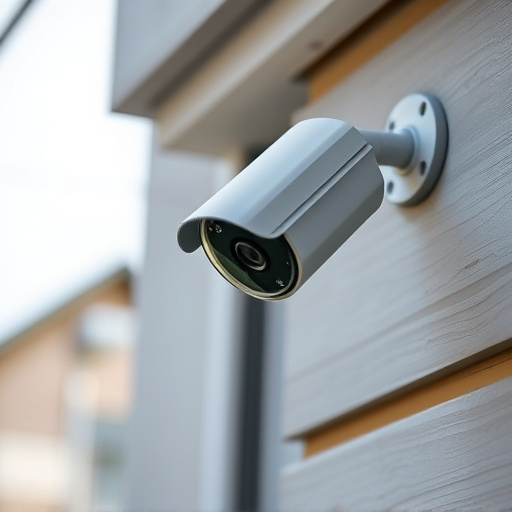
Comprehensive risk assessments are a crucial aspect of home security, providing a detailed analysis of potential hazards and vulnerabilities. This process involves meticulous evaluation of various factors that could pose risks to a residence, from structural weaknesses to cyber threats. By examining these elements, homeowners and security professionals can proactively identify, mitigate, and prevent possible dangers.

Such assessments go beyond surface-level security measures. They encompass physical structures, electronic systems, personal safety protocols, and even environmental considerations. For instance, it may include checking for secure locking mechanisms, updating home insurance policies, installing surveillance equipment, or educating residents on recognizing and responding to suspicious activities. The goal is to create a multi-layered defense, ensuring the well-being of everyone within the home.

The Role of Home Security in Risk Management
Home Security

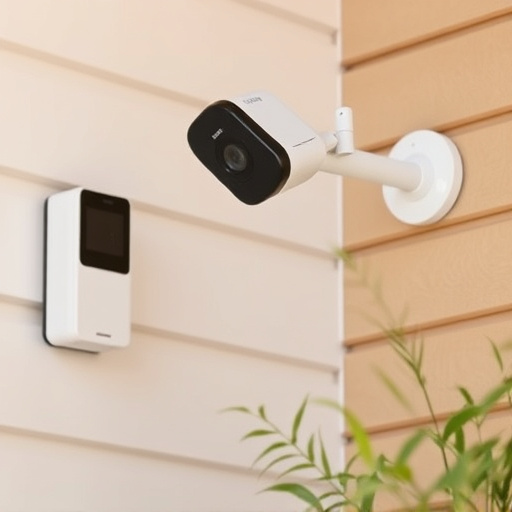
In the context of comprehensive risk management and prevention, home security plays a pivotal role in safeguarding individuals, families, and assets within residential settings. It forms the first line of defense against potential threats such as burglary, theft, and violent intruders. A robust home security system involves multiple layers, from physical barriers like secure locks, alarm systems, and surveillance cameras to intelligent monitoring and response mechanisms that alert residents and emergency services promptly.

Effective home security measures not only deter potential criminals but also provide peace of mind for homeowners. By integrating advanced technologies, such as smart doorlocks, motion sensors, and remote access controls, individuals can monitor their properties in real-time. This proactive approach to risk management enhances overall safety and contributes to a sense of security, making homes more resilient against evolving security challenges.

Identifying Potential Risks and Threats
Home Security

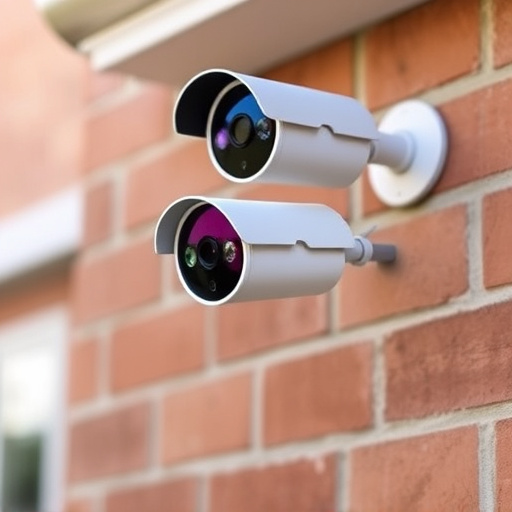
Identifying potential risks and threats is a critical step in comprehensive risk management for home security. It involves a thorough analysis of various factors that could pose dangers to a residence, its occupants, and valuable assets. By assessing physical vulnerabilities like weak locks, fragile windows, or inadequate alarm systems, homeowners and security professionals can pinpoint areas requiring improvement. Additionally, understanding potential threats from fire, natural disasters, burglary, or cyberattacks is essential for developing robust safety measures.

This process includes evaluating the home’s layout, identifying entry points, and considering environmental factors. Regular inspections, drawing from historical data, and consulting with experts are effective ways to uncover hidden risks. Armed with this knowledge, property owners can make informed decisions about installing security systems, reinforcing structures, or implementing preventive strategies, thereby enhancing overall home security.

Conducting a Detailed Environmental Analysis
Home Security

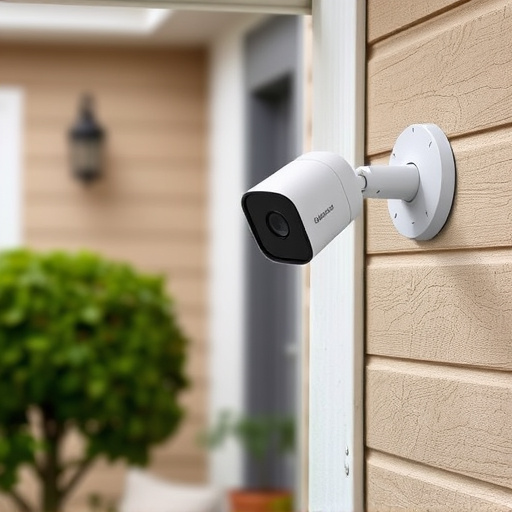
Conducting a detailed environmental analysis is an integral step in comprehensive risk management and prevention, particularly when focusing on home security. This process involves meticulously examining all aspects of a residence and its surrounding area to identify potential risks and vulnerabilities. By studying factors like physical structure, access points, natural disasters, and neighborhood dynamics, homeowners and security experts can proactively mitigate dangers.

An extensive environmental analysis encompasses assessing structural integrity, identifying weak points in construction, and evaluating the overall security posture of the home. It also considers external factors such as proximity to high-crime areas, traffic patterns, and natural hazards. Incorporating these insights into a robust risk assessment strategy empowers homeowners to make informed decisions regarding security enhancements, ensuring a safer living environment.

Developing Effective Mitigation Strategies
Home Security

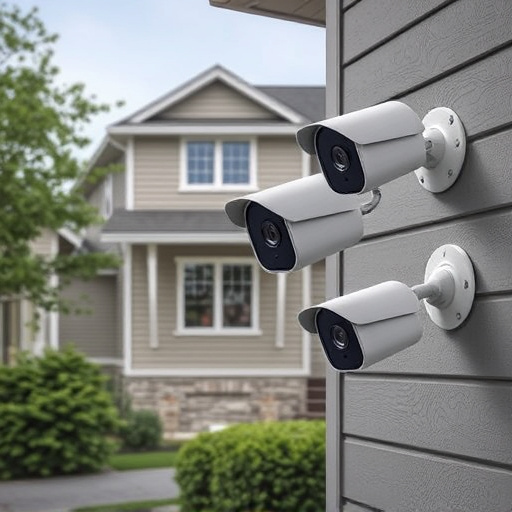
Developing effective mitigation strategies is a pivotal step in risk management, especially concerning home security. It involves a thorough analysis of potential risks and hazards to devise proactive solutions. By identifying vulnerabilities, whether they are physical, digital, or environmental, homeowners and security professionals can implement tailored measures. For instance, enhancing entry points with robust locks and security systems, creating emergency exit routes, and establishing safety protocols for various scenarios can significantly reduce the likelihood of incidents.

These strategies often include technology integration, such as smart home devices and surveillance systems, to monitor and control access remotely. Regular maintenance and updates ensure these systems remain effective against evolving threats. Additionally, educating residents about security best practices, conducting mock drills, and fostering a culture of vigilance contribute to a robust safety framework, ensuring the well-being of everyone within the home.

Regular Review and Continuous Improvement
Home Security

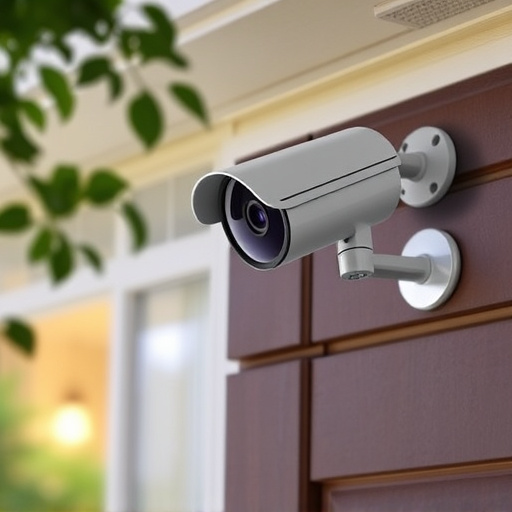
Regular review is an integral part of effective risk management, especially in maintaining optimal home security. It involves a thorough evaluation of existing safety protocols and measures to identify gaps or areas for enhancement. By conducting periodic assessments, homeowners and security professionals can stay ahead of evolving threats and ensure that the home remains a secure haven. This process allows for the implementation of updated strategies and technologies, keeping up with the dynamic nature of potential risks.

Continuous improvement is a key outcome of these regular reviews. It encourages a culture of proactive safety management where every assessment is an opportunity to refine and optimize security systems. Whether it’s upgrading outdated hardware, incorporating smart home technology, or revisiting emergency response plans, this iterative approach ensures that the home’s defense against various dangers remains robust and adaptable.

Comprehensive risk management is an ongoing process that requires a holistic approach, especially when it comes to home security. By understanding potential risks, conducting thorough environmental analyses, and implementing effective mitigation strategies, homeowners can create safer living spaces. Regular reviews and continuous improvement are key to staying ahead of emerging threats, ensuring peace of mind, and enhancing the overall resilience of your home against unforeseen dangers. Prioritizing home security is not just about safeguarding possessions; it’s about protecting what matters most.

Recent Posts

  • Child-Proof Your Garage: Garage Door Safety Tips for Families
  • Mastering Repairs vs Replacement for El Encanto Garage Doors
  • See What’s New Across The Mynewsgurus Network
  • Expert Emergency Roof Repair Tucson: Quality Materials, Top Contractors
  • Guaranteed Protection: Oro Valley Roofing Warranties Explained

Recent Comments

No comments to show.

Archives

  • August 2026
  • July 2026
  • June 2026
  • May 2026
  • April 2026
  • March 2026
  • February 2026
  • January 2026
  • December 2025
  • November 2025
  • October 2025
  • September 2025
  • August 2025
  • July 2025
  • June 2025
  • May 2025
  • April 2025
  • March 2025
  • February 2025
  • January 2025
  • December 2024
  • November 2024
  • October 2024
  • September 2024

Categories

  • Affordable Roofing Oro Valley
  • affordable roofing tucson
  • Appliance Repair Austin
  • Arizona Travel Tips
  • Austin Real Estate
  • Austin Travel Tips
  • Austin TX
  • average lifespan of a residential garage door opener
  • benefits of preventative garage door maintenance for homeowners
  • best roofers tucson
  • Best Roofing Contractors in Oro Valley
  • best time of year to schedule garage door maintenance in AZ
  • Birding Southern Arizona
  • Choosing Roofing Materials
  • choosing the right garage door for energy efficiency in Arizona
  • commercial roofing tucson
  • common causes of broken garage door tracks and rollers
  • difference between torsion and extension springs explained
  • emergency garage door repair near me in Tucson AZ
  • Emergency Roof Repair Oro Valley
  • emergency roof repair tucson
  • Energy-Efficient Roofing Options
  • Flat Roof Services Oro Valley
  • Foam Roofing Oro Valley
  • Garage Door Repair
  • garage door safety tips for families with children
  • GE Appliance Repair Austin
  • Hail Damage Roof Inspection Oro Valley
  • Handyman Tips
  • Home Renovations
  • Home Repair And Maintenance
  • Home Repairs
  • Home Security
  • how dust and heat affect garage doors in the desert climate
  • how much does garage door spring replacement cost in Tucson
  • how to choose between single and double garage door springs
  • how to lubricate garage door rollers and hinges safely
  • Insurance Claims for Roof Damage Oro Valley
  • Kitchen Renovations
  • Lawn Care And Landscaping
  • LG Appliance Repair Austin
  • Licensed Roofers Oro Valley
  • licensed roofers tucson
  • Major Appliances
  • Metal Roofing Oro Valley
  • New Mexico Travel Tips
  • Pest Control Services
  • pest control services Catalina Foothills
  • pest control services Marana
  • pest control services Oro Valley
  • pest control services Tucson
  • pest control services Vail AZ
  • Pest Control Tucson
  • quick garage door repair in Tucson
  • Refrigerator Repair
  • Residential Roofing Oro Valley
  • residential roofing tucson
  • roach exterminator Catalina Foothills
  • roach exterminator Marana
  • roach exterminator Oro Valley
  • roach exterminator Tucson
  • roach exterminator Vail AZ
  • rodent control Catalina Foothills
  • rodent control Marana
  • rodent control Oro Valley
  • rodent control Tucson
  • rodent control Vail AZ
  • Roof Inspection Services Oro Valley
  • roof inspection tucson
  • Roof Installation Process Oro Valley
  • Roof Leak Detection Oro Valley
  • roof maintenance tucson
  • Roof Repair in Oro Valley
  • Roof Repair Tucson
  • roof repair tucson arizona
  • Roof Replacement Oro Valley
  • roof replacement tucson
  • Roof Ventilation Solutions Oro Valley
  • Roofing
  • roofing contractors tucson
  • Roofing Estimates and Quotes Oro Valley
  • Roofing Oro Valley
  • roofing services tucson az
  • Roofing Warranties Oro Valley
  • RV Travel Tips
  • RVing for Beginners
  • scorpion control Catalina Foothills
  • scorpion control Marana
  • scorpion control Oro Valley
  • scorpion control Tucson
  • scorpion control Vail AZ
  • Shingle Roofing Oro Valley
  • signs you need a new garage door opener
  • Solar Energy
  • Solar Power
  • Solar-Ready Roofing Systems Oro Valley
  • sonoita az wine
  • sonoita az wine tasting
  • sonoita vineyards
  • sonoita wine country
  • sonoita wine tasting
  • sonoita wine tasting tours
  • sonoita wine tour shuttle
  • sonoita wine tours
  • sonoita wine trail
  • southern arizona wine tours
  • southern arizona wineries
  • southern arizona winery
  • southern az wineries
  • Storm Damage Roof Repair Oro Valley
  • termite control Catalina Foothills
  • termite control Marana
  • termite control Oro Valley
  • termite control Tucson
  • termite control Vail AZ
  • Texas Travel Tips
  • Tile Roofing Oro Valley
  • tips for avoiding surprise garage door repair costs
  • trusted garage door service in Tucson
  • Tucson AZ
  • Tucson Garage Door Repair
  • Tucson Garage Doors
  • Tucson Pest Control
  • Tucson Real Estate
  • tucson roof leak repair
  • tucson roofing companies
  • Tucson Roofing Contractors
  • tucson roofing cost
  • Tucson Travel Tips
  • vineyards in sonoita
  • vineyards in sonoita az
  • vineyards sonoita az
  • when to replace vs repair a garage door panel
  • why is my garage door making grinding noises
  • why same-day garage door repair service matters
  • wine tasting in sonoita az
  • wine tasting oro valley
  • wine tasting sonoita
  • wine tour sonoita
  • wine tours sonoita
  • wine tours southern arizona
  • wineries in southern arizona
  • wineries near sonoita az
  • winery sonoita az
©2026 | Design: Newspaperly WordPress Theme