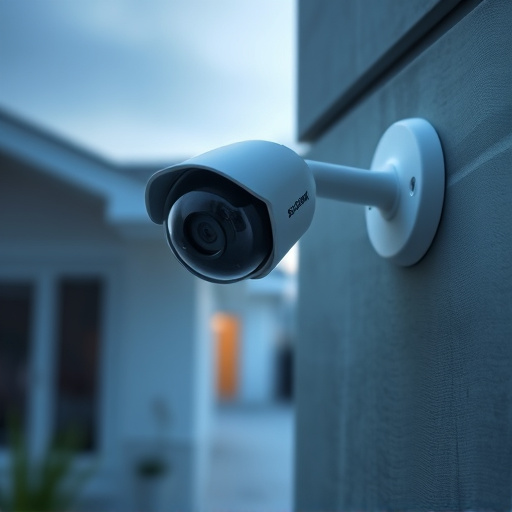
Home Security: A Comprehensive Overview
Introduction
In an era where the sanctity of one’s abode is under constant threat from a myriad of both physical and digital intruders, the concept of home security transcends mere lock and key mechanisms. It encompasses a sophisticated blend of technology, policy, and vigilance to protect homes from various threats. This article delves into the multifaceted world of home security, exploring its components, historical context, global impact, technological advancements, economic considerations, and future prospects. By the end of this exploration, readers will have a comprehensive understanding of the importance of home security in safeguarding residences, personal belongings, and most importantly, the safety and well-being of families.
Understanding Home Security
Home security is a multidimensional strategy designed to protect households from a range of threats, including theft, vandalism, natural disasters, and cyber-attacks. Its core components include physical barriers like locks and alarms, surveillance systems, access control, monitoring services, and integrated smart home technology. Historically, the evolution of home security parallels human civilization’s efforts to secure personal spaces, from primitive barricades to sophisticated electronic systems. The significance of home security within the broader landscape lies in its role as a deterrent against crime, a safeguard against accidents, and a critical component of emergency response planning.
Global Impact and Trends
The influence of home security is not confined to any single region; it is a global concern that adapts to local conditions. In developed nations like the United States and countries in Western Europe, smart technology integration is leading the way. In contrast, emerging economies are focusing on affordable solutions to address widespread issues of theft and burglary. Key trends shaping home security include the adoption of IoT (Internet of Things) devices, AI-driven analytics for surveillance footage, and the increasing role of government regulations in standardizing security practices. The global impact is evident in the way home security systems are tailored to local cultures, crime rates, and technological advancements.
Economic Considerations
The market dynamics of home security reflect a balance between consumer demand for safety and privacy, and the economic incentives of service providers and manufacturers. Investment patterns indicate a growing sector with significant R&D expenditure. Home security is not only an investment in physical assets but also contributes to the economic resilience of communities by reducing crime rates and insurance costs. Its role in economic systems is multifaceted, influencing everything from job creation in technology sectors to insurance premiums.
Technological Advancements
The technological landscape of home security has undergone a revolution with the advent of smart devices and AI-driven solutions. Biometric locks, remote surveillance, motion detection, and automated response systems are now commonplace. The impact of these advancements is profound, offering homeowners unprecedented control over their security arrangements. The future potential includes even more integrated and autonomous systems, leveraging blockchain for data security and AI for predictive analytics.
Policy and Regulation
Home security is governed by a complex web of policies and regulations that vary by jurisdiction. In the United States, the National Fire Protection Association (NFPA) sets standards for fire safety and alarm systems. The European Union has directives that dictate privacy and data protection in relation to home surveillance technologies. These frameworks influence the development and implementation of home security measures, ensuring they are both effective and respectful of individual rights.
Challenges and Criticisms
Home security is not without its challenges and criticisms. Issues such as privacy concerns, false alarms, and the potential for technological vulnerabilities to cyber-attacks are significant. Additionally, the affordability and accessibility of advanced home security systems can create a divide between different socioeconomic groups. Proposed solutions include improving system reliability, enhancing consumer education, and fostering collaboration between tech companies and regulators to address cybersecurity threats.
Case Studies
Several case studies illustrate the successful application of home security measures. A neighborhood in San Antonio, Texas, leveraged a community-wide smart security system that significantly reduced crime rates. In London, the deployment of advanced surveillance cameras has been credited with a decrease in theft and vandalism. These case studies provide valuable insights into how home security can be effectively implemented and the positive outcomes it can achieve.
Future Prospects
The future outlook for home security is one of continuous evolution, driven by emerging trends such as the integration of home automation and the use of predictive analytics to anticipate and prevent security breaches. Potential growth areas include biometric authentication technologies and personalized security solutions tailored to individual lifestyles and risk profiles. Strategic considerations for the future must focus on maintaining the balance between innovation, privacy, and accessibility.
Conclusion
Home security is a critical component of modern life, safeguarding homes against a myriad of threats. Its relevance is underscored by the global impact it has, the economic considerations it entails, and the technological advancements that continue to shape its trajectory. As we look to the future, home security will undoubtedly evolve, but its core mission—to protect families and their homes—remains steadfast.
FAQ Section
-
What is home security? Home security encompasses a range of measures and technologies designed to protect residential properties from unauthorized access, theft, and other security breaches.
-
How has technology changed home security? Technology has revolutionized home security through the integration of smart devices, AI, biometrics, and remote monitoring capabilities, providing homeowners with more effective and responsive solutions.
-
What are some common home security systems? Common systems include door and window locks, surveillance cameras, motion detectors, alarm systems, and integrated smart home technologies that can be managed remotely via apps or online platforms.
-
Are there regulations governing home security systems? Yes, regulations vary by jurisdiction but generally cover aspects such as data protection, privacy, and the monitoring and response protocols for alarm systems.
-
How can I make my home more secure? You can enhance your home’s security by installing a comprehensive home security system, using smart locks and surveillance cameras, adopting good habits like locking doors and windows, and staying informed about the latest security threats and solutions.
-
What are some affordable home security options? Affordable options include basic alarm systems, motion-activated lights, timers for lights and electronics, and smartphones as a central control point for various security features.
-
How can I protect my home from cyber threats? Protect your home from cyber threats by using secure passwords, updating your system’s firmware regularly, employing firewalls and anti-malware software, and being cautious of the devices you connect to your network.
-
What is the role of AI in home security? AI plays a significant role in home security through advanced analytics for surveillance footage, predictive behavioral modeling to prevent breaches, and automated responses to detected threats or alarms.
Security assessments are crucial initial steps in enhancing home security, identifying vulnerabilities and providing customized recommendations based on location, crime patterns, and personal habits. Professional consultants conduct thorough evaluations of physical and digital systems, focusing on common weak spots like windows, doors, and perimeter structures. They also offer guidance on integrating smart home technology securely, addressing issues like weak encryption and outdated firmware to safeguard properties and families.
“Strengthen your home’s security with a proactive approach. In today’s world, understanding and addressing vulnerabilities is key to ensuring peace of mind. This comprehensive guide delves into the essential practice of home security assessments and consultations, serving as the first line of defense against potential risks. From identifying weaknesses in windows, doors, and perimeter security to enhancing digital defenses for smart home devices, this article equips you with knowledge to fortify your sanctuary.”
Understanding Home Security Assessments: The First Step Towards Safety
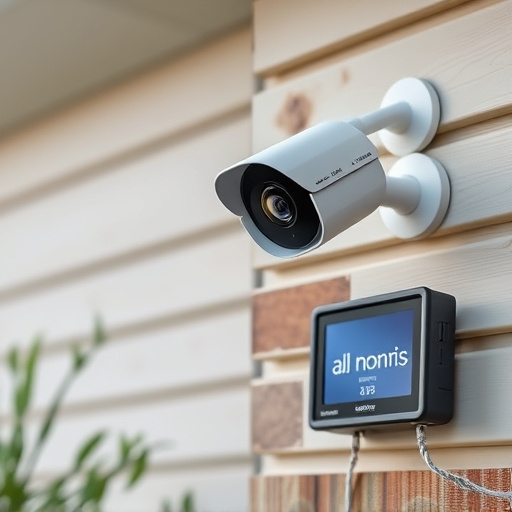
Security assessments are crucial initial steps in fortifying your home against potential threats. These comprehensive evaluations go beyond surface-level security measures, delving into every aspect of your property’s defenses. Professional assessors carefully inspect various elements, from robust locks and secure window fittings to sophisticated surveillance systems and emergency response protocols. By identifying vulnerabilities, these experts provide homeowners with a clear roadmap for enhancing their home security.
Understanding the specific risks unique to your location and lifestyle is key. Assessments consider factors like nearby infrastructure, crime patterns, and personal habits, ensuring tailored recommendations. This proactive approach not only safeguards your family but also adds value to your property by deterring potential intruders.
Identifying Vulnerabilities: A Comprehensive Approach
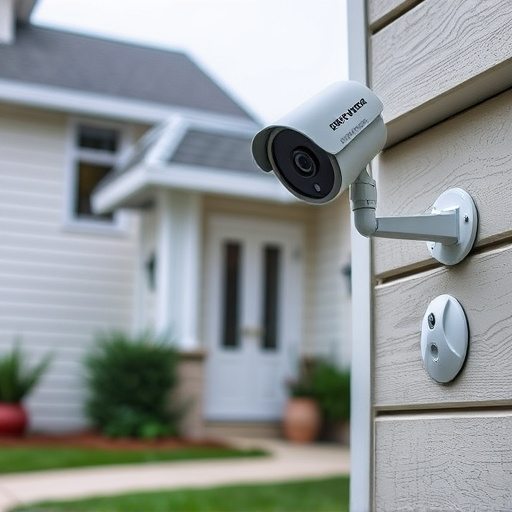
Identifying vulnerabilities in home security is a multifaceted process that requires a systematic and thorough approach. It involves a detailed assessment of various systems, from physical barriers like doors and windows to digital components such as smart home devices and network infrastructure. Security experts employ advanced tools and methodologies to uncover potential entry points for intruders or weaknesses in an owner’s safety protocols.
A comprehensive vulnerability scan includes analyzing the property’s layout, identifying access points, and evaluating the strength of security measures already in place. This may include testing locks, cameras, alarm systems, and network firewalls. By simulating real-world scenarios and hacking attempts, professionals can pinpoint areas that require strengthening, ensuring a robust home security framework.
The Role of Consultants in Strengthening Your Home's Defenses
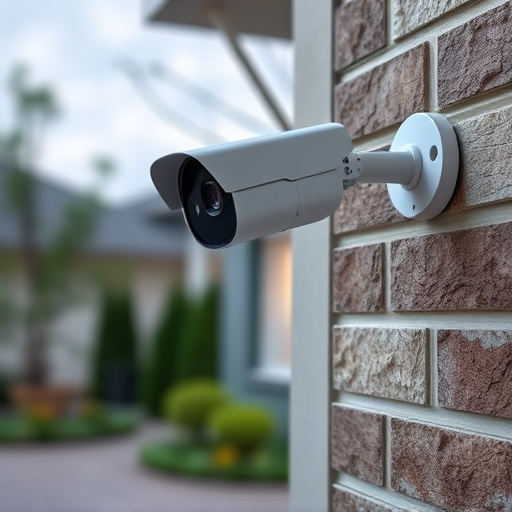
When it comes to safeguarding your home, professional consultants play a pivotal role in bolstering your defenses against potential threats. These experts are equipped with the knowledge and expertise to conduct thorough security assessments, identifying weaknesses that might go unnoticed by the average individual. By employing their services, you gain valuable insights into the current state of your home’s security infrastructure.
Consultants offer tailored recommendations, suggesting enhancements like advanced lock systems, surveillance technology, or structural improvements. Their advice is based on a comprehensive analysis of common vulnerabilities and emerging threat landscapes. With their guidance, you can transform your home into a fortress, ensuring peace of mind and enhancing the overall safety of your family and belongings.
Common Weak Spots: Windows, Doors, and Perimeter Security
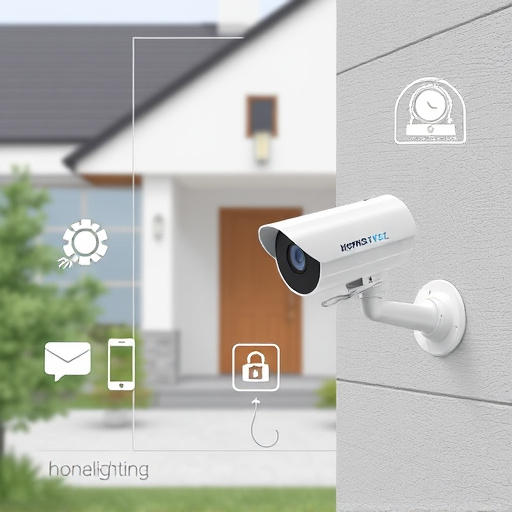
When it comes to home security assessments, one must pay close attention to common weak spots that can leave your property vulnerable. Windows and doors are often the first lines of defense in any home security strategy. However, they also present significant opportunities for intruders if not properly secured. Easy-to-ignore issues like outdated locks, broken windowpanes, or loose fitting doors can create openings for burglars. Regularly checking these elements during consultations is vital to identifying and rectifying potential entry points.
The perimeter security of a home is equally crucial. This includes the exterior walls, fences, and any other structural barriers that separate your property from the outside world. Issues like overgrown vegetation blocking lines of sight, unsecured fencing, or inadequate lighting can make a home an attractive target for criminals. Security consultants should assess these aspects to ensure the overall protection of the residence against unexpected intrusions.
Enhancing Digital Security: Protecting Your Smart Home Devices
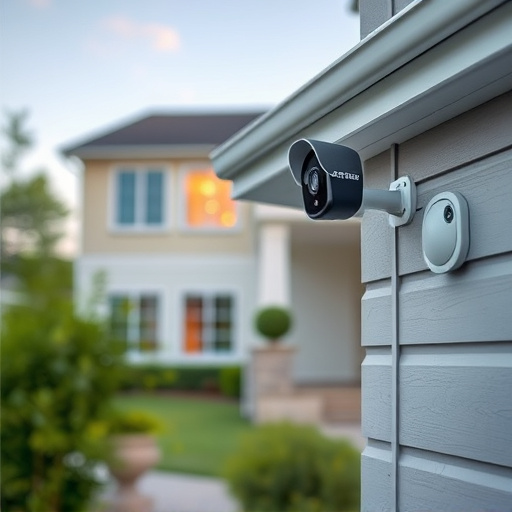
In today’s digital era, home security has evolved far beyond traditional locks and alarms. With an increasing number of smart home devices connecting to our networks, it’s crucial to ensure these new additions are protected against potential vulnerabilities. From smart thermostats to voice-controlled assistants, each connected device can serve as a gateway for hackers if not properly secured. Regular security assessments and consultations play a vital role in identifying these weaknesses before they can be exploited.
Professionals in the field of home security offer expert guidance tailored to your specific setup. They conduct comprehensive audits, testing the security protocols of every device and network interface. By pinpointing vulnerabilities, they enable homeowners to take proactive measures. This includes implementing robust encryption, updating firmware regularly, and adopting multi-factor authentication where possible. Such precautions ensure that even as smart home technology continues to revolutionize our living spaces, your digital fortress remains secure against potential threats.
In today’s digital age, where home security goes beyond physical locks and keys, a comprehensive assessment is key. By understanding your property’s vulnerabilities, from outdated window locks to unsecured smart devices, you empower yourself to fortify your fortress. Consulting experts in this field provides valuable insights, allowing you to address these weak spots proactively. Embracing these measures ensures your home remains not just a physical sanctuary but a secure digital haven, offering peace of mind and protection against modern-day threats.