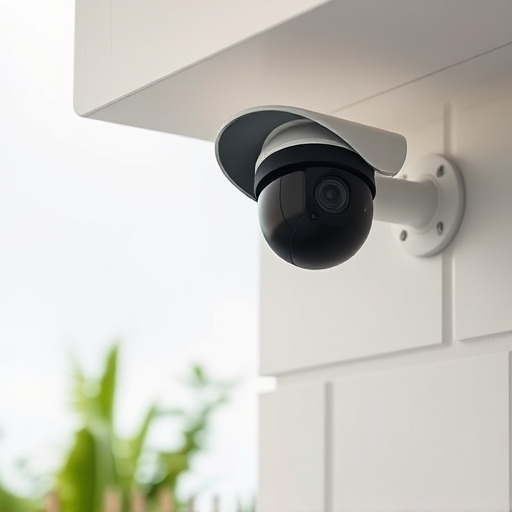
Home Security involves a comprehensive assessment of vulnerabilities and risks tailored to location, lifestyle, and personal needs. Advanced technology like high-definition cameras, motion sensors, smart locks, and AI analytics reduces property crime by up to 60%. Regular risk assessments, local crime stats research, professional consultation, and staying informed about emerging tech are crucial. High-quality equipment, including IP cameras, advanced alarms, and biometric scanners, offers robust protection. Integrating these systems requires thoughtful planning, regular updates, and maintenance for optimal security and peace of mind.
In today’s world, home security has become a paramount concern for families and individuals alike. With an ever-increasing array of potential threats, ensuring the safety of our homes is more crucial than ever. The problem lies in navigating the vast and often confusing landscape of available security equipment and technology. This article delves into the heart of this challenge, exploring how high-quality equipment and cutting-edge technology can transform home security measures. By providing authoritative insights, we aim to empower readers with the knowledge to make informed decisions, ultimately enhancing their peace of mind and protection.
- Understanding Home Security Needs: Assessment for Effective Protection
- Advanced Technology: Smart Home Systems for 24/7 Surveillance
- Essential Equipment: From Cameras to Alarms for Comprehensive Defense
- Integrating Security: Seamless Tech Solutions for Home Safety
- Proactive Measures: Tips for Enhancing Physical Security Barriers
- Future-Proofing Your Haven: Innovations in Home Security Technology
Understanding Home Security Needs: Assessment for Effective Protection
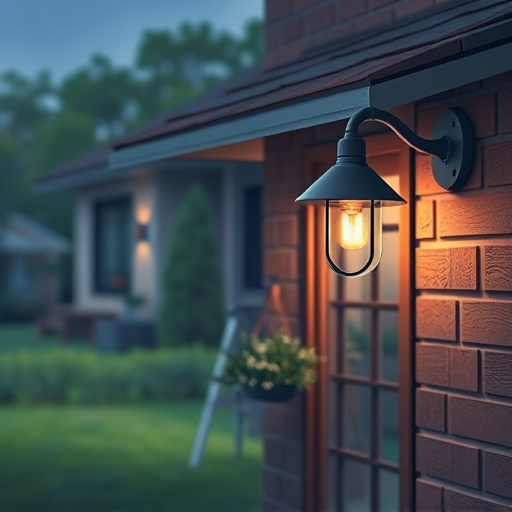
Understanding Home Security Needs is a critical step in implementing effective protection measures for any residence. This initial assessment involves a holistic evaluation of potential vulnerabilities, current defenses, and specific requirements based on factors like location, lifestyle, and personal risks. A comprehensive security strategy begins with identifying high-risk areas, such as entry points, valuable assets, and sensitive spaces. For instance, homes in remote or rural locations may require additional measures to deter intruders due to reduced visibility and response times from law enforcement. Conversely, urban dwellings might face challenges like noise pollution and light obstruction, necessitating technology that operates discreetly yet effectively.
Homeowners should consider the evolving nature of security threats and technological advancements. Modern home security systems integrate diverse technologies, such as high-definition surveillance cameras, motion sensors, smart locks, and automated alarm responses. For example, a study by the National Institute of Justice found that homes equipped with advanced security systems experienced a 60% reduction in property crime compared to unguarded residences. However, not all solutions are one-size-fits-all; personalized configurations cater to unique needs. Expert consultants recommend assessing physical, digital, and environmental aspects to devise a tailored plan.
Actionable advice includes conducting regular risk assessments, researching local crime statistics, and consulting professionals who can provide recommendations based on specific circumstances. Homeowners should also stay informed about emerging technologies like facial recognition software, AI-driven analytics for anomaly detection, and biometrics for secure access. By integrating these advanced systems, homeowners can enhance their home security, deter potential criminals, and ensure the safety and peace of mind that come with a well-protected residence.
Advanced Technology: Smart Home Systems for 24/7 Surveillance
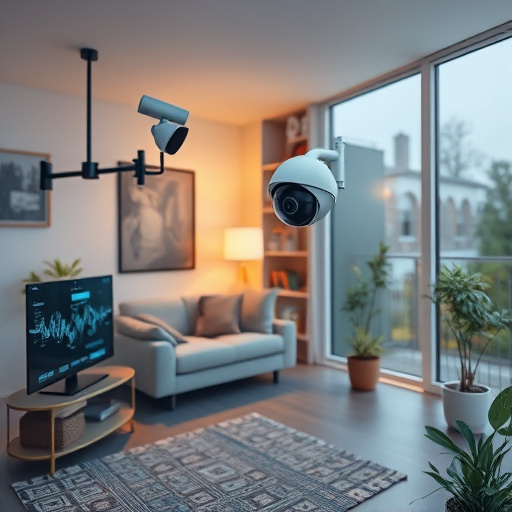
Advanced technology, particularly smart home systems, has revolutionized home security, offering 24/7 surveillance capabilities that traditional methods simply cannot match. These integrated networks of interconnected devices provide a multi-layered defense against potential threats, allowing homeowners to monitor their properties from anywhere in the world. For instance, motion sensors, high-definition cameras, and advanced analytics can detect unusual activity, send instant alerts, and even record footage for future reference. This proactive approach not only deterrs criminals but also enables swift response times, thanks to real-time data transmission.
Leading smart home security systems, such as Ring and Google Nest, employ artificial intelligence (AI) to analyze patterns and distinguish between legitimate activities and potential security breaches. For example, Ring’s AI can recognize familiar faces, differentiate between people, pets, and vehicles, and only alert homeowners when something unusual is detected. This level of sophistication ensures that false alarms are minimized while maintaining optimal home security. Moreover, these systems can integrate with other smart devices in your home, creating a cohesive and responsive environment.
Implementing a smart home security system requires careful planning and selection. Homeowners should consider factors like coverage area, compatibility with existing tech, and data privacy. Regular updates and maintenance are crucial to ensure the system remains effective against evolving security threats. By investing in advanced technology for home security, individuals can achieve greater peace of mind, knowing their properties and loved ones are safeguarded around the clock.
Essential Equipment: From Cameras to Alarms for Comprehensive Defense
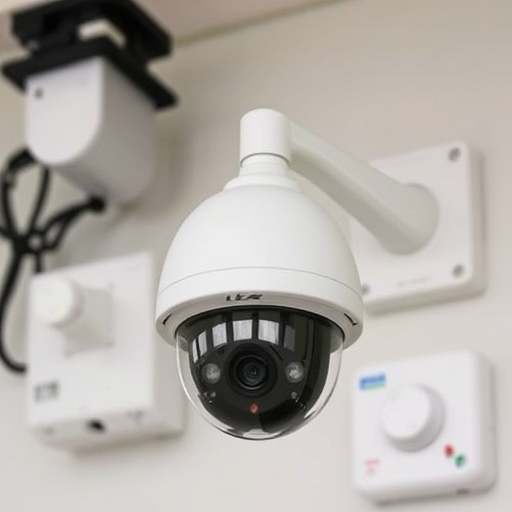
High-quality equipment and technology are the cornerstones of effective home security. At the heart of a comprehensive defense system lies a combination of sophisticated devices designed to monitor, alert, and deter potential intruders. Among these essential tools, cameras and alarms stand out as indispensable components. Modern IP cameras, for instance, offer crystal-clear video quality, night vision capabilities, and remote access through smartphone apps, allowing homeowners to keep an eye on their properties from anywhere in the world. According to a 2021 study by the National Crime Prevention Council, homes with security systems are 3 times less likely to experience a break-in, emphasizing the critical role of these devices in enhancing home security.
Beyond cameras, alarms play a pivotal role in deterring and alerting residents and authorities. Advanced motion detectors and glass-break sensors can quickly identify unusual activities and trigger alerts, providing precious seconds for homeowners to respond or for emergency services to be notified. For example, smart alarm systems now integrate with voice assistants like Amazon Alexa and Google Home, enabling voice-activated disarming and arming, as well as real-time notifications sent directly to a homeowner’s phone. This integration of technology not only streamlines the home security experience but also makes it more accessible and user-friendly.
To maximize the effectiveness of these tools, homeowners should consider investing in high-resolution cameras with wide-angle lenses, capable of capturing clear images from greater distances. Alarms with multiple sensor types, including motion, vibration, and magnetic contacts, offer a multi-layered defense. Regular maintenance and testing of these systems are also crucial. By keeping equipment up to date and batteries charged, homeowners can ensure their security measures remain robust and reliable, providing peace of mind in an increasingly complex security landscape.
Integrating Security: Seamless Tech Solutions for Home Safety
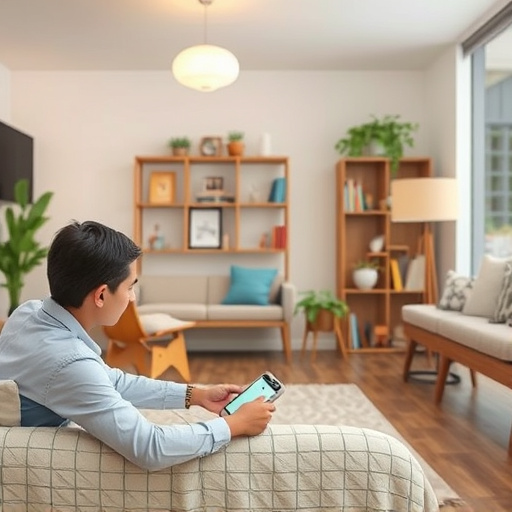
In today’s digital era, integrating security through seamless tech solutions has become paramount for home safety. High-quality equipment and technology offer a comprehensive approach to safeguarding personal spaces, with advancements in smart home systems leading the way. For instance, state-of-the-art surveillance cameras equipped with artificial intelligence can detect unusual activities, while motion sensors and intelligent door locks ensure real-time response to potential intruders. According to a recent study, homes equipped with such technology experience break-ins at a rate significantly lower than those without, underscoring the effectiveness of modern security solutions.
At the core of these systems lies centralized control through home security apps. These applications provide users with remote access and monitoring capabilities, allowing them to manage alarms, cameras, and other devices from anywhere. For example, Ring’s Home Security system offers a suite of interconnected devices that can be controlled via a smartphone app, enabling homeowners to receive alerts, view live feeds, and even speak to visitors remotely. This integration not only enhances convenience but also adds an extra layer of protection by deterring potential criminals through the knowledge that residences are monitored 24/7.
However, implementing high-quality home security technology requires careful planning and consideration. Experts recommend assessing individual needs, understanding privacy concerns, and selecting equipment from reputable manufacturers. Regular updates and maintenance are crucial to ensure optimal performance, as data from security firms indicates that outdated systems can leave homes vulnerable to modern hacking attempts. By prioritizing these aspects, homeowners can create a robust security infrastructure tailored to their specific requirements, fostering peace of mind in an increasingly complex world.
Proactive Measures: Tips for Enhancing Physical Security Barriers

High-quality equipment and technology play a pivotal role in enhancing physical security barriers for homes, businesses, and public spaces. Proactive measures, such as implementing advanced security systems, can significantly reduce risks and deter potential threats. One of the most effective tools is video surveillance technology. High-definition cameras with infrared capabilities and 360-degree views provide continuous monitoring, allowing security personnel to detect and respond to suspicious activities in real time. For instance, a study by the Security Industry Association (SIA) revealed that businesses using advanced surveillance systems experienced a 54% reduction in property crimes.
Access control systems are another vital component of comprehensive home security. Biometric scanners, such as fingerprint or facial recognition technology, offer unparalleled accuracy and speed in identifying authorized individuals, preventing unauthorized access, and enhancing overall protection. Smart locks, integrated with mobile apps, enable remote monitoring and control, allowing homeowners to grant or revoke access from anywhere. These measures not only deter burglars but also provide peace of mind, ensuring that only trusted persons can enter the premises.
Motion sensors and alarm systems serve as powerful deterrents against intrusion. Sensitive detectors can identify unusual movement patterns, triggering alerts that notify security personnel or local authorities. Modern technology has advanced these systems, making them more reliable and less prone to false alarms. For example, pet-friendly motion sensors can distinguish between humans and animals, minimizing nuisance alerts. Regular maintenance and testing of these devices are crucial to ensure their effectiveness. By combining these proactive measures with regular security assessments and staff training, institutions can significantly strengthen their physical security barriers.
Future-Proofing Your Haven: Innovations in Home Security Technology
In today’s digital age, securing your home has evolved beyond traditional locks and alarms. Future-proofing your haven requires embracing innovative home security technology designed to thwart evolving threats. According to a recent report by Grand View Research, the global smart home security market size is expected to reach USD 31.58 billion by 2027, growing at a CAGR of 16.4% from 2020 to 2027. This growth underscores the increasing demand for advanced solutions that offer both peace of mind and enhanced protection.
High-quality equipment and technology are cornerstones of effective home security. For instance, high-definition security cameras equipped with artificial intelligence (AI) capabilities can now detect unusual activity, differentiate between family members and intruders, and even recognize specific faces or license plates. Smart door locks that enable remote access through mobile apps or voice commands not only provide convenience but also add an extra layer of protection. Additionally, integrated home security systems that connect various devices seamlessly allow for comprehensive monitoring, allowing you to receive instant alerts when potential threats are detected.
While these technologies offer advanced protection, ensuring the longevity and adaptability of your home security system is crucial. Future-proofing involves keeping up with rapid technological advancements and integrating solutions that can evolve alongside emerging threats. Regular updates, patches, and firmware upgrades for connected devices are essential to patching vulnerabilities. Moreover, choosing modular security systems allows for easy expansion or modification as new technologies enter the market or specific needs change over time. By adopting these innovative measures, you don’t just secure your home; you prepare it for an ever-changing landscape of potential risks.
High-quality equipment and advanced technology are pivotal for robust home security. By understanding specific needs through assessment, homeowners can leverage smart home systems for continuous surveillance. Essential components like cameras and alarms provide comprehensive defense. Seamless integration of these tech solutions ensures optimal safety. Proactive measures, such as strengthening physical barriers, further enhance security. Finally, staying informed about innovations in home security technology is crucial for future-proofing your haven. This article has provided a comprehensive roadmap to fortify your home against potential threats, empowering you to make informed decisions and take proactive steps towards enhancing your home security naturally.