Skip to content

Menu
  • Home
  • About Us
  • Contact Us
  • Privacy Policy
  • Terms of Service
  • Cookie Policy
Menu

Home Security

Home Security: A Comprehensive Overview

Introduction

In an era where the sanctity of one’s abode is under constant threat from a myriad of both physical and digital intruders, the concept of home security transcends mere lock and key mechanisms. It encompasses a sophisticated blend of technology, policy, and vigilance to protect homes from various threats. This article delves into the multifaceted world of home security, exploring its components, historical context, global impact, technological advancements, economic considerations, and future prospects. By the end of this exploration, readers will have a comprehensive understanding of the importance of home security in safeguarding residences, personal belongings, and most importantly, the safety and well-being of families.

Understanding Home Security

Home security is a multidimensional strategy designed to protect households from a range of threats, including theft, vandalism, natural disasters, and cyber-attacks. Its core components include physical barriers like locks and alarms, surveillance systems, access control, monitoring services, and integrated smart home technology. Historically, the evolution of home security parallels human civilization’s efforts to secure personal spaces, from primitive barricades to sophisticated electronic systems. The significance of home security within the broader landscape lies in its role as a deterrent against crime, a safeguard against accidents, and a critical component of emergency response planning.

Global Impact and Trends

The influence of home security is not confined to any single region; it is a global concern that adapts to local conditions. In developed nations like the United States and countries in Western Europe, smart technology integration is leading the way. In contrast, emerging economies are focusing on affordable solutions to address widespread issues of theft and burglary. Key trends shaping home security include the adoption of IoT (Internet of Things) devices, AI-driven analytics for surveillance footage, and the increasing role of government regulations in standardizing security practices. The global impact is evident in the way home security systems are tailored to local cultures, crime rates, and technological advancements.

Economic Considerations

The market dynamics of home security reflect a balance between consumer demand for safety and privacy, and the economic incentives of service providers and manufacturers. Investment patterns indicate a growing sector with significant R&D expenditure. Home security is not only an investment in physical assets but also contributes to the economic resilience of communities by reducing crime rates and insurance costs. Its role in economic systems is multifaceted, influencing everything from job creation in technology sectors to insurance premiums.

Technological Advancements

The technological landscape of home security has undergone a revolution with the advent of smart devices and AI-driven solutions. Biometric locks, remote surveillance, motion detection, and automated response systems are now commonplace. The impact of these advancements is profound, offering homeowners unprecedented control over their security arrangements. The future potential includes even more integrated and autonomous systems, leveraging blockchain for data security and AI for predictive analytics.

Policy and Regulation

Home security is governed by a complex web of policies and regulations that vary by jurisdiction. In the United States, the National Fire Protection Association (NFPA) sets standards for fire safety and alarm systems. The European Union has directives that dictate privacy and data protection in relation to home surveillance technologies. These frameworks influence the development and implementation of home security measures, ensuring they are both effective and respectful of individual rights.

Challenges and Criticisms

Home security is not without its challenges and criticisms. Issues such as privacy concerns, false alarms, and the potential for technological vulnerabilities to cyber-attacks are significant. Additionally, the affordability and accessibility of advanced home security systems can create a divide between different socioeconomic groups. Proposed solutions include improving system reliability, enhancing consumer education, and fostering collaboration between tech companies and regulators to address cybersecurity threats.

Case Studies

Several case studies illustrate the successful application of home security measures. A neighborhood in San Antonio, Texas, leveraged a community-wide smart security system that significantly reduced crime rates. In London, the deployment of advanced surveillance cameras has been credited with a decrease in theft and vandalism. These case studies provide valuable insights into how home security can be effectively implemented and the positive outcomes it can achieve.

Future Prospects

The future outlook for home security is one of continuous evolution, driven by emerging trends such as the integration of home automation and the use of predictive analytics to anticipate and prevent security breaches. Potential growth areas include biometric authentication technologies and personalized security solutions tailored to individual lifestyles and risk profiles. Strategic considerations for the future must focus on maintaining the balance between innovation, privacy, and accessibility.

Conclusion

Home security is a critical component of modern life, safeguarding homes against a myriad of threats. Its relevance is underscored by the global impact it has, the economic considerations it entails, and the technological advancements that continue to shape its trajectory. As we look to the future, home security will undoubtedly evolve, but its core mission—to protect families and their homes—remains steadfast.

FAQ Section

  1. What is home security? Home security encompasses a range of measures and technologies designed to protect residential properties from unauthorized access, theft, and other security breaches.

  2. How has technology changed home security? Technology has revolutionized home security through the integration of smart devices, AI, biometrics, and remote monitoring capabilities, providing homeowners with more effective and responsive solutions.

  3. What are some common home security systems? Common systems include door and window locks, surveillance cameras, motion detectors, alarm systems, and integrated smart home technologies that can be managed remotely via apps or online platforms.

  4. Are there regulations governing home security systems? Yes, regulations vary by jurisdiction but generally cover aspects such as data protection, privacy, and the monitoring and response protocols for alarm systems.

  5. How can I make my home more secure? You can enhance your home’s security by installing a comprehensive home security system, using smart locks and surveillance cameras, adopting good habits like locking doors and windows, and staying informed about the latest security threats and solutions.

  6. What are some affordable home security options? Affordable options include basic alarm systems, motion-activated lights, timers for lights and electronics, and smartphones as a central control point for various security features.

  7. How can I protect my home from cyber threats? Protect your home from cyber threats by using secure passwords, updating your system’s firmware regularly, employing firewalls and anti-malware software, and being cautious of the devices you connect to your network.

  8. What is the role of AI in home security? AI plays a significant role in home security through advanced analytics for surveillance footage, predictive behavioral modeling to prevent breaches, and automated responses to detected threats or alarms.

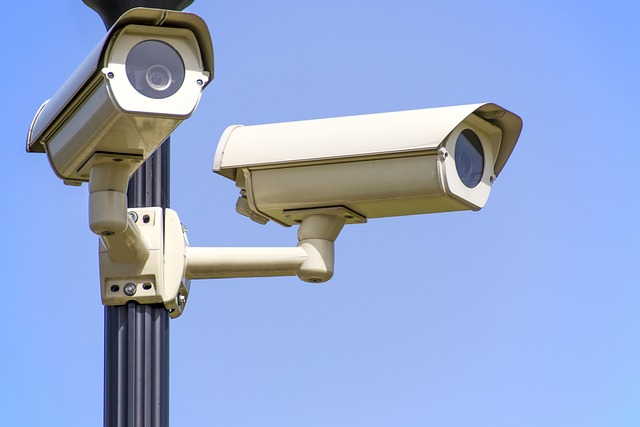
home-security-640x480-4165334.jpeg

Streamlining Security: Mastering Home Automation for Enhanced Protection

Posted on October 23, 2024August 21, 2026 by Home Security

21st-century home security is significantly enhanced by integrating advanced home automation technologies. These systems offer a comprehensive, interconnected defense network that combines smart locks, surveillance cameras, motion sensors, and alarm systems for real-time monitoring, alerting homeowners to any unusual activity and providing round-the-clock protection with remote access and perimeter monitoring. The intelligence of these systems lies in their ability to adapt to homeowner lifestyles by recognizing normal patterns and using AI to discern between regular and abnormal behaviors, thus reinforcing security. Data security is addressed through advanced encryption and secure authentication protocols to protect against cyber intrusions. Homeowners benefit from the dual advantages of robust protection for their property and an enhanced quality of life, living within a secure, technologically advanced environment. This home automation approach centralizes control around a smart command hub accessible via mobile apps, offering tailored security settings like smart lighting, environmental sensors, and climate control that optimize energy efficiency while maintaining security. The commitment to wireless communication standards like Wi-Fi, Zigbee, or Z-Wave ensures secure data transmission within the system. As technology evolves, home automation integration in home security becomes more sophisticated, promising a future where advanced security measures are seamlessly integrated into smart homes for ultimate safety and efficiency. Regular maintenance, professional monitoring services, and understanding the system's capabilities ensure that home security systems remain effective against potential threats, utilizing cutting-edge technology to safeguard your home.

In an era where safety and convenience converge, home automation emerges as a pivotal player in elevating security management. This article delves into the integration of home automation systems, emphasizing their role in bolstering your home’s defenses. We explore the essential components that contribute to effective security integration within these systems, highlighting the critical need for a unified platform to ensure streamlined control and monitoring of your home environment. By adhering to best practices outlined herein, readers will gain insights into how to fortify their homes with cutting-edge security measures, enhancing both peace of mind and property protection. Join us as we navigate the intersection of technology and safety in the realm of home security.

  • Understanding Home Automation and Its Role in Enhancing Security Management
  • Key Components of Home Automation Systems for Effective Security Integration
  • The Importance of a Unified Platform for Streamlined Control and Monitoring
  • Best Practices for Implementing Home Automation to Fortify Your Home Security Measures

Understanding Home Automation and Its Role in Enhancing Security Management

Home Security

In the realm of modern home management, home automation plays a pivotal role in enhancing security systems, seamlessly integrating various smart devices to provide robust protection. Homeowners can leverage this technology to create a secure environment that is both responsive and adaptive to their needs. Automated locks, surveillance cameras, motion sensors, and alarm systems can be programmed to communicate with each other, offering real-time monitoring and instant alerts in the event of any unusual activity. The synergy between these components allows for an intelligent approach to security management, where access can be granted or denied remotely, perimeters can be monitored around the clock, and potential threats can be detected early on. This level of interconnectivity not only deters intruders but also simplifies the management of home security, ensuring that occupants are protected without compromising convenience or comfort.

Furthermore, the integration of smart home devices extends beyond physical security; it encompasses data security as well. With advanced encryption and secure authentication protocols, users’ personal information and connected systems remain safeguarded against cyber threats. The adoption of sophisticated AI algorithms further enhances the system’s ability to discern normal patterns from anomalous behavior, thereby fortifying the home’s defenses. This proactive stance on both physical and digital security underscores the importance of home automation in creating a comprehensive security solution that is as effective as it is user-friendly. Homeowners are increasingly recognizing the value of these systems to not only secure their property but also to maintain peace of mind while enjoying the benefits of a technologically advanced living environment.

Key Components of Home Automation Systems for Effective Security Integration

Home Security

In the realm of home automation, integration for seamless security management hinges on the coordination of several key components that work together to enhance protection and provide peace of mind. Central to this ecosystem is the control panel, which acts as the command center for all security-related functions, allowing homeowners to monitor, arm, and disarm their systems remotely. Smart door locks and surveillance cameras are integral to this setup, offering real-time monitoring capabilities and secure entry control, while motion sensors and window/door contacts serve as vigilant guardians against unauthorized access. These devices are often interconnected with smart lighting and alarm systems that can be programmed for specific scenarios, such as activating lights upon detecting movement to deter potential intruders. The integration of environmental sensors, including smoke and carbon monoxide detectors, further extends the scope of home security by safeguarding against natural hazards. Advanced home automation systems can even incorporate climate control settings that optimize energy efficiency while maintaining a secure environment. All these components are typically managed through a user-friendly mobile app, which provides remote access to system features and alerts, ensuring that homeowners remain in command of their security at all times.

The seamless integration of these components is facilitated by the use of a robust wireless communication network, often leveraging Wi-Fi, Zigbee, or Z-Wave technologies, which ensures secure data transmission between devices. This connectivity not only allows for smooth coordination among smart home devices but also enables them to learn and adapt over time through artificial intelligence (AI) capabilities, providing a dynamic security solution that can be customized to the specific needs and behaviors of the household. The use of encrypted communication channels ensures that sensitive data is protected against cyber threats, making it imperative for manufacturers and service providers to prioritize robust security protocols in their products. With the continuous advancement of home automation technologies, the potential for even more sophisticated security integration exists, promising a future where home security is not just a component but an integral aspect of the smart living experience.

The Importance of a Unified Platform for Streamlined Control and Monitoring

Home Security

In an era where homes are becoming increasingly interconnected with various smart devices, the importance of a unified platform for home security cannot be overstated. A cohesive system facilitates seamless control and monitoring, allowing homeowners to manage their security infrastructure from a single interface. This integration is pivotal in providing real-time alerts and remote access to security cameras, ensuring that one can monitor their property effectively, even when physically absent. The unified platform enhances the functionality of home security systems by enabling devices such as smart locks, thermostats, and lighting to communicate with each other, creating a robust network that not only deters intruders but also adapts to user behaviors for improved security measures. The result is a fortified home environment that is not only resistant to unauthorized access but also optimized for convenience and efficiency.

Furthermore, the adoption of a unified platform for home automation integration offers an additional layer of security management. It allows for advanced features like automated responses to detected threats, such as activating alarms or locking doors upon sensing an intrusion attempt. The system’s learning capabilities can also adapt to different scenarios, refining its security protocols over time. This intelligent approach to home security not only deters potential burglars but also provides homeowners with peace of mind, knowing that their property is safeguarded by a sophisticated and interconnected security apparatus. Home Security integration within a unified platform represents the future of home protection, offering a blend of advanced technology and user-friendly management systems.

Best Practices for Implementing Home Automation to Fortify Your Home Security Measures

Home Security

In the realm of home security, integrating home automation systems can significantly enhance your defenses. To effectively fortify your home with these advanced measures, it’s crucial to start with a comprehensive assessment of your property’s unique vulnerabilities. This will inform the selection of devices and systems best suited to address those specific needs. Smart locks, motion sensors, and surveillance cameras are pivotal components; their strategic placement and configuration should be guided by professional advice or detailed product specifications. Moreover, establishing robust network security protocols is non-negotiable. Ensure your Wi-Fi network is protected with strong passwords and regular updates to prevent unauthorized access. Additionally, consider a multi-layered approach that combines smart devices with traditional security measures for a holistic protection strategy.

Once your home automation system is up and running, consistent maintenance is key. Regularly update software to patch security vulnerabilities, and test all systems periodically to ensure they operate optimally. Integration with a professional monitoring service can provide an additional layer of security and peace of mind. Homeowners should also familiarize themselves with the capabilities of their system, including how to remotely monitor and control various aspects of their home’s security. By adhering to these best practices, homeowners can create a formidable barrier against potential threats, leveraging the full potential of home automation technology for comprehensive security management.

Home security has undergone a significant transformation with the advent of home automation, offering property owners advanced means to monitor and safeguard their residences. By integrating smart components such as cameras, door locks, and motion sensors into a unified platform, users can enjoy enhanced security management that is both efficient and user-friendly. The article has outlined the pivotal role of home automation in this domain, highlighting the essential components for effective integration and the best practices to fortify one’s home security measures. Embracing these technologies not only contributes to a secure living environment but also aligns with the modern lifestyle, ensuring that homes are protected without compromising on convenience or connectivity. As homes evolve into smart sanctuaries, the seamless integration of automation into security systems stands as a testament to the future of home protection.

Recent Posts

  • Tile Roofing Oro Valley: Comprehensive Guide to Stylish Protection
  • See What’s New Across The Mynewsgurus Network
  • Guarantee Your Oro Valley Roof: Comprehensive Warranty Guide
  • Tucsons Trusted Roofers: Emergency Repair Experts with a Rep for Satisfaction
  • Mastering Garage Door Panel Repair vs Replacement

Recent Comments

No comments to show.

Archives

  • August 2026
  • July 2026
  • June 2026
  • May 2026
  • April 2026
  • March 2026
  • February 2026
  • January 2026
  • December 2025
  • November 2025
  • October 2025
  • September 2025
  • August 2025
  • July 2025
  • June 2025
  • May 2025
  • April 2025
  • March 2025
  • February 2025
  • January 2025
  • December 2024
  • November 2024
  • October 2024
  • September 2024

Categories

  • Affordable Roofing Oro Valley
  • affordable roofing tucson
  • Appliance Repair Austin
  • Arizona Travel Tips
  • Austin Real Estate
  • Austin Travel Tips
  • Austin TX
  • average lifespan of a residential garage door opener
  • benefits of preventative garage door maintenance for homeowners
  • best roofers tucson
  • Best Roofing Contractors in Oro Valley
  • best time of year to schedule garage door maintenance in AZ
  • Birding Southern Arizona
  • Choosing Roofing Materials
  • choosing the right garage door for energy efficiency in Arizona
  • commercial roofing tucson
  • common causes of broken garage door tracks and rollers
  • difference between torsion and extension springs explained
  • emergency garage door repair near me in Tucson AZ
  • Emergency Roof Repair Oro Valley
  • emergency roof repair tucson
  • Energy-Efficient Roofing Options
  • Flat Roof Services Oro Valley
  • Foam Roofing Oro Valley
  • Garage Door Repair
  • garage door safety tips for families with children
  • GE Appliance Repair Austin
  • Hail Damage Roof Inspection Oro Valley
  • Handyman Tips
  • Home Renovations
  • Home Repair And Maintenance
  • Home Repairs
  • Home Security
  • how dust and heat affect garage doors in the desert climate
  • how much does garage door spring replacement cost in Tucson
  • how to choose between single and double garage door springs
  • how to lubricate garage door rollers and hinges safely
  • Insurance Claims for Roof Damage Oro Valley
  • Kitchen Renovations
  • Lawn Care And Landscaping
  • LG Appliance Repair Austin
  • Licensed Roofers Oro Valley
  • licensed roofers tucson
  • Major Appliances
  • Metal Roofing Oro Valley
  • New Mexico Travel Tips
  • Pest Control Services
  • pest control services Catalina Foothills
  • pest control services Marana
  • pest control services Oro Valley
  • pest control services Tucson
  • pest control services Vail AZ
  • Pest Control Tucson
  • quick garage door repair in Tucson
  • Refrigerator Repair
  • Residential Roofing Oro Valley
  • residential roofing tucson
  • roach exterminator Catalina Foothills
  • roach exterminator Marana
  • roach exterminator Oro Valley
  • roach exterminator Tucson
  • roach exterminator Vail AZ
  • rodent control Catalina Foothills
  • rodent control Marana
  • rodent control Oro Valley
  • rodent control Tucson
  • rodent control Vail AZ
  • Roof Inspection Services Oro Valley
  • roof inspection tucson
  • Roof Installation Process Oro Valley
  • Roof Leak Detection Oro Valley
  • roof maintenance tucson
  • Roof Repair in Oro Valley
  • Roof Repair Tucson
  • roof repair tucson arizona
  • Roof Replacement Oro Valley
  • roof replacement tucson
  • Roof Ventilation Solutions Oro Valley
  • Roofing
  • roofing contractors tucson
  • Roofing Estimates and Quotes Oro Valley
  • Roofing Oro Valley
  • roofing services tucson az
  • Roofing Warranties Oro Valley
  • RV Travel Tips
  • RVing for Beginners
  • scorpion control Catalina Foothills
  • scorpion control Marana
  • scorpion control Oro Valley
  • scorpion control Tucson
  • scorpion control Vail AZ
  • Shingle Roofing Oro Valley
  • signs you need a new garage door opener
  • Solar Energy
  • Solar Power
  • Solar-Ready Roofing Systems Oro Valley
  • sonoita az wine
  • sonoita az wine tasting
  • sonoita vineyards
  • sonoita wine country
  • sonoita wine tasting
  • sonoita wine tasting tours
  • sonoita wine tour shuttle
  • sonoita wine tours
  • sonoita wine trail
  • southern arizona wine tours
  • southern arizona wineries
  • southern arizona winery
  • southern az wineries
  • Storm Damage Roof Repair Oro Valley
  • termite control Catalina Foothills
  • termite control Marana
  • termite control Oro Valley
  • termite control Tucson
  • termite control Vail AZ
  • Texas Travel Tips
  • Tile Roofing Oro Valley
  • tips for avoiding surprise garage door repair costs
  • trusted garage door service in Tucson
  • Tucson AZ
  • Tucson Garage Door Repair
  • Tucson Garage Doors
  • Tucson Pest Control
  • Tucson Real Estate
  • tucson roof leak repair
  • tucson roofing companies
  • Tucson Roofing Contractors
  • tucson roofing cost
  • Tucson Travel Tips
  • vineyards in sonoita
  • vineyards in sonoita az
  • vineyards sonoita az
  • when to replace vs repair a garage door panel
  • why is my garage door making grinding noises
  • why same-day garage door repair service matters
  • wine tasting in sonoita az
  • wine tasting oro valley
  • wine tasting sonoita
  • wine tour sonoita
  • wine tours sonoita
  • wine tours southern arizona
  • wineries in southern arizona
  • wineries near sonoita az
  • winery sonoita az
©2026 | Design: Newspaperly WordPress Theme