Home Security: A Comprehensive Overview
Introduction
In an era where the sanctity of one’s abode is under constant threat from a myriad of both physical and digital intruders, the concept of home security transcends mere lock and key mechanisms. It encompasses a sophisticated blend of technology, policy, and vigilance to protect homes from various threats. This article delves into the multifaceted world of home security, exploring its components, historical context, global impact, technological advancements, economic considerations, and future prospects. By the end of this exploration, readers will have a comprehensive understanding of the importance of home security in safeguarding residences, personal belongings, and most importantly, the safety and well-being of families.
Understanding Home Security
Home security is a multidimensional strategy designed to protect households from a range of threats, including theft, vandalism, natural disasters, and cyber-attacks. Its core components include physical barriers like locks and alarms, surveillance systems, access control, monitoring services, and integrated smart home technology. Historically, the evolution of home security parallels human civilization’s efforts to secure personal spaces, from primitive barricades to sophisticated electronic systems. The significance of home security within the broader landscape lies in its role as a deterrent against crime, a safeguard against accidents, and a critical component of emergency response planning.
Global Impact and Trends
The influence of home security is not confined to any single region; it is a global concern that adapts to local conditions. In developed nations like the United States and countries in Western Europe, smart technology integration is leading the way. In contrast, emerging economies are focusing on affordable solutions to address widespread issues of theft and burglary. Key trends shaping home security include the adoption of IoT (Internet of Things) devices, AI-driven analytics for surveillance footage, and the increasing role of government regulations in standardizing security practices. The global impact is evident in the way home security systems are tailored to local cultures, crime rates, and technological advancements.
Economic Considerations
The market dynamics of home security reflect a balance between consumer demand for safety and privacy, and the economic incentives of service providers and manufacturers. Investment patterns indicate a growing sector with significant R&D expenditure. Home security is not only an investment in physical assets but also contributes to the economic resilience of communities by reducing crime rates and insurance costs. Its role in economic systems is multifaceted, influencing everything from job creation in technology sectors to insurance premiums.
Technological Advancements
The technological landscape of home security has undergone a revolution with the advent of smart devices and AI-driven solutions. Biometric locks, remote surveillance, motion detection, and automated response systems are now commonplace. The impact of these advancements is profound, offering homeowners unprecedented control over their security arrangements. The future potential includes even more integrated and autonomous systems, leveraging blockchain for data security and AI for predictive analytics.
Policy and Regulation
Home security is governed by a complex web of policies and regulations that vary by jurisdiction. In the United States, the National Fire Protection Association (NFPA) sets standards for fire safety and alarm systems. The European Union has directives that dictate privacy and data protection in relation to home surveillance technologies. These frameworks influence the development and implementation of home security measures, ensuring they are both effective and respectful of individual rights.
Challenges and Criticisms
Home security is not without its challenges and criticisms. Issues such as privacy concerns, false alarms, and the potential for technological vulnerabilities to cyber-attacks are significant. Additionally, the affordability and accessibility of advanced home security systems can create a divide between different socioeconomic groups. Proposed solutions include improving system reliability, enhancing consumer education, and fostering collaboration between tech companies and regulators to address cybersecurity threats.
Case Studies
Several case studies illustrate the successful application of home security measures. A neighborhood in San Antonio, Texas, leveraged a community-wide smart security system that significantly reduced crime rates. In London, the deployment of advanced surveillance cameras has been credited with a decrease in theft and vandalism. These case studies provide valuable insights into how home security can be effectively implemented and the positive outcomes it can achieve.
Future Prospects
The future outlook for home security is one of continuous evolution, driven by emerging trends such as the integration of home automation and the use of predictive analytics to anticipate and prevent security breaches. Potential growth areas include biometric authentication technologies and personalized security solutions tailored to individual lifestyles and risk profiles. Strategic considerations for the future must focus on maintaining the balance between innovation, privacy, and accessibility.
Conclusion
Home security is a critical component of modern life, safeguarding homes against a myriad of threats. Its relevance is underscored by the global impact it has, the economic considerations it entails, and the technological advancements that continue to shape its trajectory. As we look to the future, home security will undoubtedly evolve, but its core mission—to protect families and their homes—remains steadfast.
FAQ Section
-
What is home security? Home security encompasses a range of measures and technologies designed to protect residential properties from unauthorized access, theft, and other security breaches.
-
How has technology changed home security? Technology has revolutionized home security through the integration of smart devices, AI, biometrics, and remote monitoring capabilities, providing homeowners with more effective and responsive solutions.
-
What are some common home security systems? Common systems include door and window locks, surveillance cameras, motion detectors, alarm systems, and integrated smart home technologies that can be managed remotely via apps or online platforms.
-
Are there regulations governing home security systems? Yes, regulations vary by jurisdiction but generally cover aspects such as data protection, privacy, and the monitoring and response protocols for alarm systems.
-
How can I make my home more secure? You can enhance your home’s security by installing a comprehensive home security system, using smart locks and surveillance cameras, adopting good habits like locking doors and windows, and staying informed about the latest security threats and solutions.
-
What are some affordable home security options? Affordable options include basic alarm systems, motion-activated lights, timers for lights and electronics, and smartphones as a central control point for various security features.
-
How can I protect my home from cyber threats? Protect your home from cyber threats by using secure passwords, updating your system’s firmware regularly, employing firewalls and anti-malware software, and being cautious of the devices you connect to your network.
-
What is the role of AI in home security? AI plays a significant role in home security through advanced analytics for surveillance footage, predictive behavioral modeling to prevent breaches, and automated responses to detected threats or alarms.
A robust home security system is critical for safeguarding your home and loved ones. It encompasses a burglar alarm, motion sensors, surveillance cameras with HD monitoring and night vision, smart door locks for remote access control, and emergency sensors for water leaks, smoke, and carbon monoxide. These systems are now increasingly intelligent with AI and machine learning to minimize false alarms and enhance threat detection. You can opt for customizable modular solutions or comprehensive packages from single providers, all of which are accessible through mobile apps that allow you to monitor and control your system remotely. The integration of IoT technology further enhances home security by automating home functions and providing a sophisticated defense against intruders, ensuring that your home remains secure with cutting-edge technology at the core of its protection. Home Security systems have evolved to be more than just protective measures; they are now part of an interconnected web of smart devices that work together to offer complete peace of mind.
In an era where home security transcends traditional locks and alarms, discerning high-quality equipment and advanced technology is paramount for effective protection. This comprehensive guide delves into the multifaceted world of home security, elucidating the essential components that fortify your living space against potential threats. From the pivotal role of motion sensors to the integration of smart home technology, we explore the latest innovations and services that enhance your home’s defenses. Additionally, we address the importance of safeguarding your digital footprint by securing your network from cyber intrusions. Whether you’re a first-time homeowner or looking to upgrade an existing system, this article provides valuable insights to empower you with knowledge about the best practices and cutting-edge solutions in home security. Embark on this journey to ensure that your residence is not just a home, but a secure haven for years to come.
Essential Components of a Robust Home Security System

A robust home security system is a critical layer of defense in safeguarding your residence and its inhabitants. Central to any effective home security setup is the burglar alarm system, which serves as the first line of defense against unauthorized entry. These systems can be armed or disarmed remotely, providing homeowners with control over their property’s security even when they are away. Additionally, motion sensors connected to the alarm system can detect unexpected movement within the premises, triggering an alert and potentially deterring intruders.
Surveillance cameras, both indoor and outdoor, complement the alarm system by providing a visual record of activities on your property. High-definition cameras with night vision capabilities ensure that every corner of your home is under watch, day or night. Smart door locks enhance security further, allowing for keyless entry and remote access to grant or deny entry to authorized individuals. These smart locks often come equipped with features like real-time alerts, automatic locking mechanisms, and the ability to integrate with other smart home devices, creating a cohesive system that is responsive and adaptable to your needs. Sensors for water leaks, smoke, and carbon monoxide gas also play an integral role by alerting you to potential emergencies before they escalate, thereby protecting your home from damage and ensuring the safety of its occupants. When selecting components for a home security system, prioritize those that offer connectivity and can be managed through a central monitoring platform or mobile app to provide comprehensive oversight over your home’s security at all times.
– Overview of Home Security Systems

In an era where home security is a top priority for many, high-quality equipment and technology play a pivotal role in safeguarding residences. Home Security Systems encompass a comprehensive array of devices designed to detect unauthorized entry or intrusion into homes, providing peace of mind for residents and property owners alike. These systems typically include door and window sensors, motion detectors, surveillance cameras, alarm systems, and sometimes even smart home integration, allowing for remote monitoring and control. The effectiveness of these systems is contingent upon their ability to seamlessly communicate with each other, ensuring a coordinated response to any security breach. Advanced technology such as AI-driven analytics can enhance the capabilities of home security by distinguishing between routine activities and potential threats, thereby minimizing false alarms while maximizing protection.
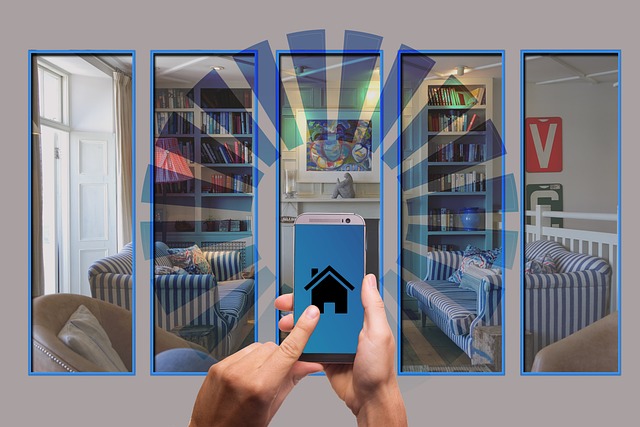
When selecting a Home Security System, it’s crucial to consider the specific needs and layout of your home, as well as the level of sophistication you desire. Modular systems offer flexibility, allowing users to choose individual components that best suit their environment, whereas integrated solutions provide a more comprehensive approach from a single provider. The integration of mobile apps allows users to receive alerts, view live or recorded footage, and control security settings directly from their smartphones. With the advent of IoT-enabled devices, homes are becoming smarter and more secure, with homeowners able to automate lighting, climate control, and other appliances alongside their security measures, creating a fortified defense system that is both high-tech and user-friendly.
In conclusion, investing in high-quality equipment and technology for home security is a prudent step towards effective protection. A well-crafted security system, encompassing surveillance cameras, motion detectors, and sophisticated alarm systems, serves as a formidable deterrent against intruders and a reliable guardian of one’s household. With advancements in smart home technology, homeowners can now monitor and control their security systems remotely, ensuring peace of mind even when away from home. By integrating these components, a robust home security system becomes an indispensable asset for safeguarding property and loved ones. Home Security remains a critical consideration for safety and security in the modern era, where both prevention and responsiveness are key to maintaining a secure living environment.