Skip to content

Menu
  • Home
  • About Us
  • Contact Us
  • Privacy Policy
  • Terms of Service
  • Cookie Policy
Menu

Home Security

Home Security: A Comprehensive Overview

Introduction

In an era where the sanctity of one’s abode is under constant threat from a myriad of both physical and digital intruders, the concept of home security transcends mere lock and key mechanisms. It encompasses a sophisticated blend of technology, policy, and vigilance to protect homes from various threats. This article delves into the multifaceted world of home security, exploring its components, historical context, global impact, technological advancements, economic considerations, and future prospects. By the end of this exploration, readers will have a comprehensive understanding of the importance of home security in safeguarding residences, personal belongings, and most importantly, the safety and well-being of families.

Understanding Home Security

Home security is a multidimensional strategy designed to protect households from a range of threats, including theft, vandalism, natural disasters, and cyber-attacks. Its core components include physical barriers like locks and alarms, surveillance systems, access control, monitoring services, and integrated smart home technology. Historically, the evolution of home security parallels human civilization’s efforts to secure personal spaces, from primitive barricades to sophisticated electronic systems. The significance of home security within the broader landscape lies in its role as a deterrent against crime, a safeguard against accidents, and a critical component of emergency response planning.

Global Impact and Trends

The influence of home security is not confined to any single region; it is a global concern that adapts to local conditions. In developed nations like the United States and countries in Western Europe, smart technology integration is leading the way. In contrast, emerging economies are focusing on affordable solutions to address widespread issues of theft and burglary. Key trends shaping home security include the adoption of IoT (Internet of Things) devices, AI-driven analytics for surveillance footage, and the increasing role of government regulations in standardizing security practices. The global impact is evident in the way home security systems are tailored to local cultures, crime rates, and technological advancements.

Economic Considerations

The market dynamics of home security reflect a balance between consumer demand for safety and privacy, and the economic incentives of service providers and manufacturers. Investment patterns indicate a growing sector with significant R&D expenditure. Home security is not only an investment in physical assets but also contributes to the economic resilience of communities by reducing crime rates and insurance costs. Its role in economic systems is multifaceted, influencing everything from job creation in technology sectors to insurance premiums.

Technological Advancements

The technological landscape of home security has undergone a revolution with the advent of smart devices and AI-driven solutions. Biometric locks, remote surveillance, motion detection, and automated response systems are now commonplace. The impact of these advancements is profound, offering homeowners unprecedented control over their security arrangements. The future potential includes even more integrated and autonomous systems, leveraging blockchain for data security and AI for predictive analytics.

Policy and Regulation

Home security is governed by a complex web of policies and regulations that vary by jurisdiction. In the United States, the National Fire Protection Association (NFPA) sets standards for fire safety and alarm systems. The European Union has directives that dictate privacy and data protection in relation to home surveillance technologies. These frameworks influence the development and implementation of home security measures, ensuring they are both effective and respectful of individual rights.

Challenges and Criticisms

Home security is not without its challenges and criticisms. Issues such as privacy concerns, false alarms, and the potential for technological vulnerabilities to cyber-attacks are significant. Additionally, the affordability and accessibility of advanced home security systems can create a divide between different socioeconomic groups. Proposed solutions include improving system reliability, enhancing consumer education, and fostering collaboration between tech companies and regulators to address cybersecurity threats.

Case Studies

Several case studies illustrate the successful application of home security measures. A neighborhood in San Antonio, Texas, leveraged a community-wide smart security system that significantly reduced crime rates. In London, the deployment of advanced surveillance cameras has been credited with a decrease in theft and vandalism. These case studies provide valuable insights into how home security can be effectively implemented and the positive outcomes it can achieve.

Future Prospects

The future outlook for home security is one of continuous evolution, driven by emerging trends such as the integration of home automation and the use of predictive analytics to anticipate and prevent security breaches. Potential growth areas include biometric authentication technologies and personalized security solutions tailored to individual lifestyles and risk profiles. Strategic considerations for the future must focus on maintaining the balance between innovation, privacy, and accessibility.

Conclusion

Home security is a critical component of modern life, safeguarding homes against a myriad of threats. Its relevance is underscored by the global impact it has, the economic considerations it entails, and the technological advancements that continue to shape its trajectory. As we look to the future, home security will undoubtedly evolve, but its core mission—to protect families and their homes—remains steadfast.

FAQ Section

  1. What is home security? Home security encompasses a range of measures and technologies designed to protect residential properties from unauthorized access, theft, and other security breaches.

  2. How has technology changed home security? Technology has revolutionized home security through the integration of smart devices, AI, biometrics, and remote monitoring capabilities, providing homeowners with more effective and responsive solutions.

  3. What are some common home security systems? Common systems include door and window locks, surveillance cameras, motion detectors, alarm systems, and integrated smart home technologies that can be managed remotely via apps or online platforms.

  4. Are there regulations governing home security systems? Yes, regulations vary by jurisdiction but generally cover aspects such as data protection, privacy, and the monitoring and response protocols for alarm systems.

  5. How can I make my home more secure? You can enhance your home’s security by installing a comprehensive home security system, using smart locks and surveillance cameras, adopting good habits like locking doors and windows, and staying informed about the latest security threats and solutions.

  6. What are some affordable home security options? Affordable options include basic alarm systems, motion-activated lights, timers for lights and electronics, and smartphones as a central control point for various security features.

  7. How can I protect my home from cyber threats? Protect your home from cyber threats by using secure passwords, updating your system’s firmware regularly, employing firewalls and anti-malware software, and being cautious of the devices you connect to your network.

  8. What is the role of AI in home security? AI plays a significant role in home security through advanced analytics for surveillance footage, predictive behavioral modeling to prevent breaches, and automated responses to detected threats or alarms.

Secure Your Home: Threats, Solutions for Ultimate Safety

Secure Your Home: Threats, Solutions for Ultimate Safety

Posted on June 23, 2026 by Home Security

Home Security is a multifaceted approach combining physical and digital strategies. Key measures include fortifying entry points with high-security locks, installing surveillance cameras, and integrating smart locks for real-time monitoring. Regular maintenance of smoke alarms and carbon monoxide detectors is vital. Additionally, physical barriers like fences and security lighting deter intruders. In the digital realm, updating software, using strong passwords, and encrypting devices and networks protect against IoT attacks and unauthorized access. Beyond technology, emergency preparedness involves risk assessment, structural reinforcement, and evacuation drills for various threats. By integrating these practices, homeowners can create a secure environment ready to face diverse home security challenges.

In today’s world, home security has become a paramount concern for families across the globe. With an ever-evolving landscape of potential threats, from break-ins to cyberattacks, understanding and mitigating these risks is more crucial than ever. This article provides an in-depth exploration of common home security threats, delving into their nature, frequency, and impact on individuals and communities. Moreover, it offers practical solutions and best practices designed to fortify homes against these dangers, empowering readers with the knowledge to protect themselves, their loved ones, and their belongings effectively. By adopting these measures, we can navigate the challenges of modern living with enhanced peace of mind and security.

  • Identifying Common Home Security Threats
  • Strengthening Physical Security Measures
  • Securing Digital Devices and Networks
  • Preventing Burglary and Theft Strategies
  • Emergency Preparedness for Home Safety

Identifying Common Home Security Threats

Home Security

Identifying common home security threats is a crucial step toward fortifying your living space against potential risks. In today’s world, where home invasions and burglaries persist, being proactive about security measures can significantly reduce vulnerabilities. According to the FBI, an average of 2,358 burglaries occur every hour in the United States, highlighting the pressing need for robust home security. Among these threats, common entry points like windows, doors, and garages often present the greatest risks. Simplest solutions include installing high-quality locks and secure hardware, such as reinforced door frames and garage door sensors.

Smart technology has also introduced advanced methods of protection. Home security systems equipped with motion detectors and surveillance cameras offer real-time monitoring, deterring potential intruders. For instance, a study by the Security Industry Association found that 73% of burglars would change course if they knew a home was protected by an alarm system. Integrating smart locks and remote access capabilities allows homeowners to keep an eye on their properties even when away. However, ensuring these systems are reliable and interconnected is vital; poorly maintained or isolated devices can leave your home vulnerable.

Another critical aspect of home security involves recognizing potential risks from within. Accidental or malicious damage, fire hazards, and carbon monoxide poisoning pose significant internal threats. Regular safety inspections and maintenance checks are essential to mitigate these dangers. For example, testing smoke alarms monthly and replacing batteries annually can save lives. Additionally, educating family members about emergency procedures and keeping important documents secured ensures a more comprehensive approach to home security. By combining external protection measures with internal risk management, homeowners can create a safe haven that is both secure and prepared for any eventuality.

Strengthening Physical Security Measures

Home Security

Strengthening physical security measures is a cornerstone of comprehensive home security. Homeowners often overlook the value of robust barriers against unauthorized entry, making their properties vulnerable to burglars. According to the FBI, approximately 3.4 million residential property crimes occurred in 2018 alone, underlining the pressing need for better protection. Fortifying exterior doors and windows with high-security locks, reinforced frames, and anti-pry hardware significantly deter potential intruders. For instance, installing three-point locking systems on doors can increase security by up to 90%, according to a study by the Home Security Research Institute.

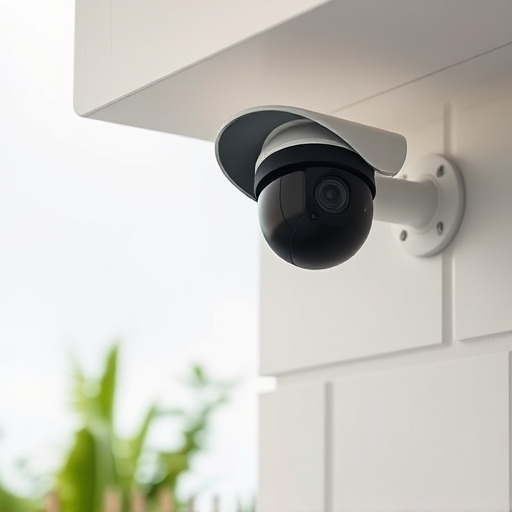
Complementing mechanical locks, security cameras act as powerful deterrents, providing visual surveillance that deters crime and offers peace of mind. Positioned strategically both inside and outside, these devices allow homeowners to monitor activities in real time. Advanced systems can even integrate with smart home technology, enabling remote access and recording. Additionally, motion-activated lighting enhances security by illuminating areas that might otherwise remain dark, making it harder for intruders to operate unnoticed.

Physical barriers like fences and gates also play a critical role. A well-maintained fence not only creates a visual barrier but also provides additional protection against unexpected intrusions. Electric fencing adds another layer of security, delivering a harmless but effective shock to deter would-be intruders. Regular maintenance and upgrading of these measures are essential for optimal home security. For example, replacing outdated locks with smart locks equipped with biometric access control or code pads enhances convenience while strengthening defenses against unauthorized entry.

Securing Digital Devices and Networks

Home Security

Securing digital devices and networks is a critical component of modern home security. With an increasing number of smart home devices connected to the internet, cybercriminals have more entry points into our homes. According to a recent study by Norton, over 60% of households worldwide have at least one smart device, making it imperative for homeowners to implement robust cybersecurity measures. One of the primary threats is the Internet of Things (IoT) botnets, where compromised devices are used to launch distributed denial-of-service (DDoS) attacks, disrupting internet services and potentially enabling unauthorized access into home networks.

To mitigate these risks, homeowners must adopt a multi-layered approach. First, keeping all software and firmware up to date is essential. Regular updates often include security patches that protect against known vulnerabilities. Second, using strong, unique passwords for each connected device and enabling two-factor authentication where available significantly enhances home security. For instance, configuring your smart locks and cameras with robust encryption protocols ensures that even if a hacker gains access to one device’s credentials, they won’t automatically have control over the entire network.

Additionally, implementing a secure Wi-Fi network is crucial. Using a strong, unique password for your router and enabling WPA3 encryption—the latest standard—protects against unauthorized access. Homeowners should also consider using a Virtual Private Network (VPN) to encrypt internet traffic, especially when accessing sensitive information or controlling smart home devices remotely. Regularly scanning for malware and employing reliable antivirus software further strengthens digital defenses. By integrating these practices into daily routines, homeowners can significantly enhance their home security in the digital age.

Preventing Burglary and Theft Strategies

Home Security

Preventing burglary and theft is a paramount concern for homeowners worldwide, driven by rising crime rates and the increasing sophistication of criminal activities. According to the FBI, property crimes, including burglary and larceny-theft, remain among the most frequent types of crime in the United States. To combat these threats, home security has evolved significantly, offering an array of advanced solutions.

One of the most effective strategies is investing in a robust home security system. Modern systems encompass surveillance cameras, motion sensors, and smart locks that integrate seamlessly with mobile apps, allowing homeowners to monitor their properties remotely. For instance, Ring, a popular security camera brand, reported that homes with their devices installed experienced 10% fewer attempted burglaries. Additionally, security lighting around entry points can act as a powerful deterrent. Motion-activated lights surprise intruders and illuminate any suspicious activity.

Physical security measures form another critical layer of defense. Strong, reinforced doors and windows equipped with high-security locks significantly hinder unauthorized access. Metal security screens over windows provide an extra barrier against forced entry while still allowing natural light to enter. Homeowners can also consider installing a security gate at the entrance, particularly in areas prone to break-ins. Regularly testing and replacing batteries in smoke and carbon monoxide detectors is essential for overall home safety, as these devices can alert occupants and first responders during attempted burglaries or toxic gas leaks.

Emergency Preparedness for Home Safety

Home Security

In an era where home security threats are evolving, emergency preparedness plays a pivotal role in safeguarding personal safety and property. While many focus on technological solutions like smart locks and surveillance cameras, a robust home security strategy encompasses far more. It begins with understanding potential risks—from natural disasters to criminal intrusions—and implementing proactive measures.

For instance, recent data from the Federal Emergency Management Agency (FEMA) highlights that over 70% of Americans are at risk of experiencing a natural disaster, including hurricanes, wildfires, and earthquakes. Such events can leave homes vulnerable to structural damage, theft, or looting. Addressing this requires a multi-layered approach: reinforcing home structures against extreme weather, securing valuable possessions in waterproof containers, and establishing an emergency supply kit with essentials like water, non-perishable food, and first aid materials.

Moreover, emergency preparedness extends beyond natural disasters. Breaking and entering attempts remain a significant concern, accounting for over 3 million reported incidents annually (National Crime Statistics Center). Homeowners can fortify their defenses by investing in robust door and window locks, installing motion-activated lighting, and employing security systems with backup power. Additionally, creating an environment that discourages potential intruders—through landscaping that provides clear lines of sight and well-lit exterior spaces—can act as a powerful deterrent.

Regularly practicing evacuation drills, creating communication plans, and staying informed about community alert systems are essential components of comprehensive home security. These measures ensure that when emergencies arise, families are prepared to respond swiftly and safely. By integrating these strategies into daily life, homeowners can transform their residences from vulnerable targets into secure sanctuaries, emphasizing the critical link between emergency preparedness and robust home security.

By understanding and addressing common home security threats head-on, homeowners can significantly enhance their sense of safety and well-being. This article has provided a comprehensive overview of various aspects crucial to maintaining robust home security. Key takeaways include the importance of strengthening physical security measures such as locks, alarms, and secure entry points, along with securing digital devices and networks against cyber threats. Preventing burglary and theft requires a multi-layered approach, including valuable strategies like neighborhood watch programs and secure storage solutions. Additionally, emergency preparedness plays a vital role in ensuring home safety, underscoring the need for well-crafted evacuation plans and essential supplies. Armed with these insights, readers are now equipped to make informed decisions and take practical steps to bolster their home security, creating safer and more secure living environments.

Recent Posts

  • Top Emergency Roof Repair Tucson & Longlasting Installation Tips
  • Avoid Unexpected Costs: Garage Door Fix Tips & Tricks
  • Fix Broken Garage Tracks & Rollers Same Day: Common Causes & Solutions
  • Child-Proof Your Garage: Garage Door Safety Tips for Families
  • Mastering Repairs vs Replacement for El Encanto Garage Doors

Recent Comments

No comments to show.

Archives

  • August 2026
  • July 2026
  • June 2026
  • May 2026
  • April 2026
  • March 2026
  • February 2026
  • January 2026
  • December 2025
  • November 2025
  • October 2025
  • September 2025
  • August 2025
  • July 2025
  • June 2025
  • May 2025
  • April 2025
  • March 2025
  • February 2025
  • January 2025
  • December 2024
  • November 2024
  • October 2024
  • September 2024

Categories

  • Affordable Roofing Oro Valley
  • affordable roofing tucson
  • Appliance Repair Austin
  • Arizona Travel Tips
  • Austin Real Estate
  • Austin Travel Tips
  • Austin TX
  • average lifespan of a residential garage door opener
  • benefits of preventative garage door maintenance for homeowners
  • best roofers tucson
  • Best Roofing Contractors in Oro Valley
  • best time of year to schedule garage door maintenance in AZ
  • Birding Southern Arizona
  • Choosing Roofing Materials
  • choosing the right garage door for energy efficiency in Arizona
  • commercial roofing tucson
  • common causes of broken garage door tracks and rollers
  • difference between torsion and extension springs explained
  • emergency garage door repair near me in Tucson AZ
  • Emergency Roof Repair Oro Valley
  • emergency roof repair tucson
  • Energy-Efficient Roofing Options
  • Flat Roof Services Oro Valley
  • Foam Roofing Oro Valley
  • Garage Door Repair
  • garage door safety tips for families with children
  • GE Appliance Repair Austin
  • Hail Damage Roof Inspection Oro Valley
  • Handyman Tips
  • Home Renovations
  • Home Repair And Maintenance
  • Home Repairs
  • Home Security
  • how dust and heat affect garage doors in the desert climate
  • how much does garage door spring replacement cost in Tucson
  • how to choose between single and double garage door springs
  • how to lubricate garage door rollers and hinges safely
  • Insurance Claims for Roof Damage Oro Valley
  • Kitchen Renovations
  • Lawn Care And Landscaping
  • LG Appliance Repair Austin
  • Licensed Roofers Oro Valley
  • licensed roofers tucson
  • Major Appliances
  • Metal Roofing Oro Valley
  • New Mexico Travel Tips
  • Pest Control Services
  • pest control services Catalina Foothills
  • pest control services Marana
  • pest control services Oro Valley
  • pest control services Tucson
  • pest control services Vail AZ
  • Pest Control Tucson
  • quick garage door repair in Tucson
  • Refrigerator Repair
  • Residential Roofing Oro Valley
  • residential roofing tucson
  • roach exterminator Catalina Foothills
  • roach exterminator Marana
  • roach exterminator Oro Valley
  • roach exterminator Tucson
  • roach exterminator Vail AZ
  • rodent control Catalina Foothills
  • rodent control Marana
  • rodent control Oro Valley
  • rodent control Tucson
  • rodent control Vail AZ
  • Roof Inspection Services Oro Valley
  • roof inspection tucson
  • Roof Installation Process Oro Valley
  • Roof Leak Detection Oro Valley
  • roof maintenance tucson
  • Roof Repair in Oro Valley
  • Roof Repair Tucson
  • roof repair tucson arizona
  • Roof Replacement Oro Valley
  • roof replacement tucson
  • Roof Ventilation Solutions Oro Valley
  • Roofing
  • roofing contractors tucson
  • Roofing Estimates and Quotes Oro Valley
  • Roofing Oro Valley
  • roofing services tucson az
  • Roofing Warranties Oro Valley
  • RV Travel Tips
  • RVing for Beginners
  • scorpion control Catalina Foothills
  • scorpion control Marana
  • scorpion control Oro Valley
  • scorpion control Tucson
  • scorpion control Vail AZ
  • Shingle Roofing Oro Valley
  • signs you need a new garage door opener
  • Solar Energy
  • Solar Power
  • Solar-Ready Roofing Systems Oro Valley
  • sonoita az wine
  • sonoita az wine tasting
  • sonoita vineyards
  • sonoita wine country
  • sonoita wine tasting
  • sonoita wine tasting tours
  • sonoita wine tour shuttle
  • sonoita wine tours
  • sonoita wine trail
  • southern arizona wine tours
  • southern arizona wineries
  • southern arizona winery
  • southern az wineries
  • Storm Damage Roof Repair Oro Valley
  • termite control Catalina Foothills
  • termite control Marana
  • termite control Oro Valley
  • termite control Tucson
  • termite control Vail AZ
  • Texas Travel Tips
  • Tile Roofing Oro Valley
  • tips for avoiding surprise garage door repair costs
  • trusted garage door service in Tucson
  • Tucson AZ
  • Tucson Garage Door Repair
  • Tucson Garage Doors
  • Tucson Pest Control
  • Tucson Real Estate
  • tucson roof leak repair
  • tucson roofing companies
  • Tucson Roofing Contractors
  • tucson roofing cost
  • Tucson Travel Tips
  • vineyards in sonoita
  • vineyards in sonoita az
  • vineyards sonoita az
  • when to replace vs repair a garage door panel
  • why is my garage door making grinding noises
  • why same-day garage door repair service matters
  • wine tasting in sonoita az
  • wine tasting oro valley
  • wine tasting sonoita
  • wine tour sonoita
  • wine tours sonoita
  • wine tours southern arizona
  • wineries in southern arizona
  • wineries near sonoita az
  • winery sonoita az
©2026 | Design: Newspaperly WordPress Theme