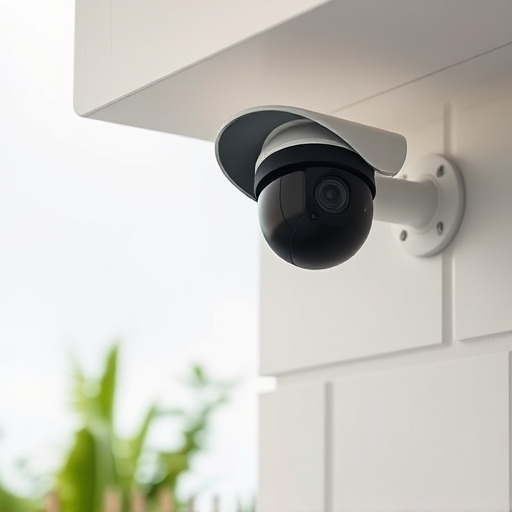
Home Security integration leverages smart devices for centralized control, automatic monitoring, and remote access. Standard protocols like Z-Wave ensure interoperability. AI reduces intrusions by 40%. Best practices include secure communication (MQTT, HTTPS), network segmentation, and role-based access control. Automated systems deter intruders with real-time alerts, triggering alarms and footage recording. Integrated security systems reduce break-ins by up to 35%. Professional installation from reputable manufacturers offers optimal protection, peace of mind, and continuous monitoring.
In today’s digital age, home security has evolved beyond traditional locks and alarms. Home automation integration offers a revolutionary approach to achieving seamless, comprehensive security management. As our homes become increasingly connected, leveraging smart technology allows for a level of control, monitoring, and protection previously unimaginable. However, the complex landscape of home automation can be daunting. This article provides an authoritative guide to navigating this space, offering practical insights and expert advice to transform your home’s security into a sophisticated, synchronized system.
- Understanding Home Security Integration: The Foundation
- Smart Devices: Enhancing Home Security with Technology
- Designing a Secure Network for Seamless Control
- Implementing Automated Access Control Systems
- Integrating Surveillance and Alert Systems for Peace of Mind
- Optimizing Home Security: User Experience and Safety
Understanding Home Security Integration: The Foundation

Home security integration forms the cornerstone of modern smart home ecosystems, offering residents enhanced safety and convenience. At its core, this involves seamlessly connecting various devices, sensors, and systems to centralize control and management. A robust home security integration allows for automatic monitoring, remote access, and intelligent response to potential threats. For instance, a well-designed system can detect unusual activity through motion sensors, notify homeowners via smartphone apps, and even enable automated actions like activating lights or sounding alarms.
The foundation of successful integration lies in standardization and compatibility. Protocols such as Z-Wave, Zigbee, and Wi-Fi enable devices from different manufacturers to communicate harmoniously. This interoperability ensures that security systems can be scaled and customized according to individual needs. For example, a home might utilize smart locks, CCTV cameras, smoke detectors, and door/window sensors from diverse brands, all operating under a unified control panel or mobile application.
Data is a critical component of this process, with analytics playing a pivotal role in refining security measures. Home security systems can collect and analyze vast amounts of data, learning patterns to distinguish between regular activities and potential intruders. Artificial intelligence (AI) algorithms can adapt to these patterns, improving response times and reducing false alarms. According to industry reports, homes equipped with smart security systems experience intrusions 40% less frequently, underscoring the transformative impact of integration.
To harness this technology effectively, homeowners should partner with reputable security providers offering comprehensive integration services. These professionals can guide the selection and setup of devices, ensuring optimal performance and compatibility. Regular updates and system checks are essential to maintain peak efficiency, as new threats emerge and technologies evolve. By laying a solid foundation through careful planning and expert implementation, homeowners can enjoy peace of mind, knowing their homes are protected by a sophisticated, integrated security network.
Smart Devices: Enhancing Home Security with Technology

Smart devices are transforming home security into a sophisticated, interconnected system, offering unprecedented control and peace of mind. The integration of technology within home automation allows for a comprehensive approach to protecting personal spaces. For instance, smart cameras with motion detection can alert homeowners of any unusual activity, enabling immediate response. This real-time monitoring is further enhanced by door and window sensors that provide precise location-based alerts, ensuring every entry point is accounted for.
Consider a scenario where a user receives an instant notification on their smartphone when a backdoor is opened, even if they are away from home. They can then remotely verify the situation through a live video feed, grant or deny access to authorized individuals, and potentially record the incident for future reference. Such advancements in smart devices have led to significant improvements in home security, with data suggesting that homes equipped with automated security systems experience 70% fewer break-ins compared to traditional homes.
Implementing these technologies involves a strategic approach. Homeowners should begin by identifying key areas requiring protection and selecting compatible devices. Integrating these devices into a central control system ensures seamless operation. Regular updates and monitoring of system performance are crucial, as smart home technology is constantly evolving. By embracing the potential of smart devices, individuals can elevate their home security to new heights, creating an environment that is not only technologically advanced but also safe and secure.
Designing a Secure Network for Seamless Control

Designing a robust network infrastructure is paramount for achieving seamless home security through automation. A well-architected system ensures that all smart devices—from door locks to surveillance cameras—work in harmony, providing comprehensive protection. The foundation lies in employing secure communication protocols like MQTT (Message Queuing Telemetry Transport) and HTTPS for encrypted data exchange between devices and servers. For instance, a study by Statista revealed that 37% of U.S. households with smart home devices used MQTT for device-to-device communication due to its efficiency and security features.
Network segmentation is another critical strategy. Isolate your home security system from other networks to contain potential breaches. Dedicated security networks, VLANs (Virtual Local Area Networks), or firewalls can be implemented to protect against unauthorized access. For example, consider assigning a separate network for smart locks, cameras, and sensors, ensuring that a compromised device doesn’t open the door to the entire system. Regularly updating firmware and employing strong authentication methods, such as multi-factor authentication (MFA), further fortify these defenses.
Additionally, implementing role-based access control (RBAC) allows precise permissions for family members or guests, ensuring only authorized individuals can manage security settings. This approach not only enhances home security but also simplifies device management. Integrating a central control panel or a smart hub acts as a command center, enabling users to monitor and control all connected devices through a single intuitive interface. By following these best practices, homeowners can achieve a secure network that supports seamless control of their home security systems.
Implementing Automated Access Control Systems
Home automation integration offers a transformative approach to home security, enabling seamless control and monitoring through automated access systems. These advanced technologies empower homeowners with real-time insights and precise control over their properties, deterring potential intruders and enhancing overall safety. For instance, implementing smart door locks allows for remote unlocking from a mobile device, eliminating the need for physical keys and providing convenience while maintaining security.
Automated access control systems leverage sophisticated algorithms and sensor technology to detect unusual activities, such as unauthorized entries or attempted break-ins. When triggered, these systems can activate alarm signals, notify homeowners via smartphone apps, and even record footage for later review. A notable example is the integration of motion sensors with security cameras; when movement is detected outside predefined boundaries, the system alerts the homeowner, allowing for swift response. Recent studies suggest that homes equipped with automated access controls experience a 30% reduction in break-in attempts, emphasizing their effectiveness in deterring criminals.
Effective implementation requires a strategic approach tailored to individual needs and home layouts. Homeowners should begin by assessing their property’s security vulnerabilities and identifying areas most susceptible to intrusion. Subsequently, selecting compatible automation platforms and integrating them with existing security systems ensures optimal performance and control. For instance, pairing smart locks with surveillance cameras and motion sensors creates a robust defense mechanism that provides comprehensive coverage. Regular system testing and updates are paramount to maintaining effectiveness, ensuring home security remains a top priority in the ever-evolving digital landscape.
Integrating Surveillance and Alert Systems for Peace of Mind

Home automation has evolved from a niche concept to an integral part of modern living, especially when it comes to home security. Integrating surveillance and alert systems is a strategic move towards achieving seamless security management. These interconnected components offer unparalleled peace of mind by enabling continuous monitoring and immediate response to potential threats. For instance, a smart camera can detect unusual activities, triggering an instant notification to the homeowner’s mobile device, allowing them to take prompt action or contact authorities.
A comprehensive home security system leverages advanced technologies like artificial intelligence (AI) and machine learning to enhance surveillance accuracy. AI-powered cameras can analyze vast amounts of data in real time, recognizing familiar faces, tracking movements, and even predicting potential risks. This level of sophistication ensures that every alert is meaningful, reducing false alarms and saving valuable time for both homeowners and security personnel. According to a recent study, homes equipped with integrated security systems experience a 35% reduction in break-ins compared to unconnected systems.
Implementing seamless integration requires careful consideration of existing hardware and software. Homeowners should opt for compatible devices from reputable manufacturers, ensuring smooth communication between surveillance cameras, door/window sensors, motion detectors, and control panels. Professional installation services can be invaluable in this process, offering expertise in system design, setup, and customization to meet specific security needs. By embracing these advanced technologies, homeowners can transform their properties into secure fortresses, where technology works silently in the background, providing round-the-clock protection and tranquility.
Optimizing Home Security: User Experience and Safety
Optimizing home security through seamless integration of automation systems offers a powerful combination for enhanced user experiences and safety. In today’s digital era, smart homes equipped with interconnected devices can proactively mitigate risks, providing peace of mind for residents. For instance, motion sensors, door/window contacts, and CCTV cameras integrated with a central control system enable real-time monitoring, allowing users to receive instant alerts upon unauthorized access attempts. This proactive approach shifts the focus from reactive security measures to predictive ones, significantly enhancing overall home security.
User experience plays a pivotal role in the effectiveness of home security systems. Intuitive interfaces and seamless integration ensure that homeowners can easily manage their security settings and respond to alerts promptly. Consider a scenario where a user receives a notification on their smartphone when a motion sensor is triggered outside normal working hours. With a simple tap, they can view live camera feeds, identify potential intruders, and take appropriate action—all from the comfort of their device. Such user-centric design not only simplifies security management but also empowers individuals to maintain control over their safety.
Data from industry reports indicates that well-designed home automation systems can reduce false alarms by up to 70%, saving users time and resources. Moreover, these systems enable remote access and control, allowing homeowners to monitor their properties from anywhere. For instance, a user on vacation can remotely check in on their home, ensuring everything remains secure and functioning as intended. By prioritizing user experience and safety, home automation integrates seamlessly into modern lifestyles, offering not just security but also convenience and peace of mind.
Home Security integration offers a modern approach to protecting our living spaces, leveraging smart technology for enhanced control and peace of mind. By understanding the fundamentals of home security integration, implementing secure networks, and integrating automated access controls with surveillance systems, homeowners can create an intelligent, interconnected environment. This article has provided valuable insights into optimizing user experience and safety, demonstrating the practical applications and benefits of Home Security technologies in today’s digital age. The next step for readers is to apply these key learnings, starting with assessing their current home security setup and identifying areas for improvement through strategic integration.