
In today's digital era, home security has transformed with 85% of U.S. households adopting smart technology. Key features include integrated systems, AI analytics for accurate threat detection, voice control, and remote monitoring via apps or assistants. Proactive security measures involve regular software updates, encryption, secure network configurations, and data privacy policies. Smart locks, motion sensors, and cameras deter intruders and reduce crime by up to 40%. Brand platforms like Samsung SmartThings, Google Nest, and Apple HomeKit offer flexible, secure integration with cloud storage and automation routines. Market growth shows a 17% increase from 2021-2026, reflecting increasing demand for advanced home security solutions.
As our lives become increasingly intertwined with technology, the need for robust and innovative home security solutions has never been more paramount. The modern household is a complex web of smart devices, each offering convenience but potentially exposing vulnerabilities. This article delves into the heart of this dilemma, exploring cutting-edge smart home security systems designed to provide peace of mind in an era of heightened digital awareness. We will dissect the challenges of securing our homes in the 21st century and unveil a comprehensive solution that seamlessly integrates advanced technology with everyday comfort.
- Understanding Modern Home Security Needs
- Smart Technology for Enhanced Protection
- Securing Your Home: Essential Devices
- Integrating Systems: Creating a Networked Home
- Mobile Access and Remote Monitoring
- Advanced Features for Peace of Mind
Understanding Modern Home Security Needs
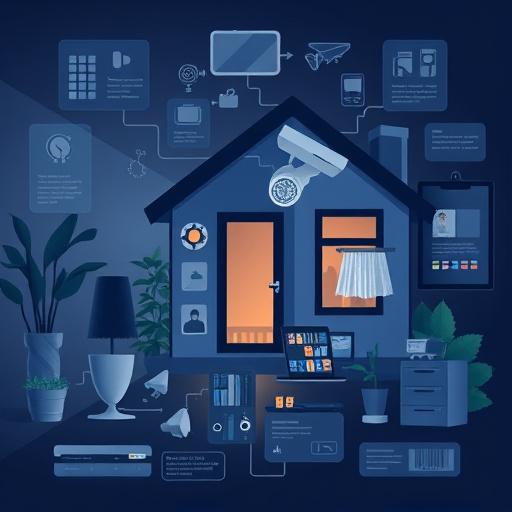
In today’s digital age, modern home security needs have evolved far beyond traditional locks and alarm systems. With the increasing connectivity of smart homes, securing personal data and physical spaces has become more complex yet critical. A 2022 survey by Statista revealed that over 85% of U.S. households now use some form of home security technology, reflecting a significant shift in consumer expectations. This growth is driven by the demand for convenience, peace of mind, and advanced monitoring capabilities.
Smart home security solutions offer a range of features to address these evolving needs. For instance, integrated security systems can connect door and window sensors, motion detectors, and surveillance cameras, allowing for comprehensive monitoring and real-time alerts. Advanced AI-powered analytics enable these systems to differentiate between residents, familiar pets, and potential intruders, minimizing false alarms. Additionally, voice control integration with virtual assistants like Amazon Alexa or Google Assistant provides hands-free access and enhances convenience.
However, as homes become more connected, so do potential vulnerabilities. It’s crucial for homeowners to understand the security implications of smart home devices. Regular software updates, strong encryption protocols, and secure network configurations are essential practices. Homeowners should also be wary of device compatibility and data privacy policies, ensuring that personal information is protected and not exploited by third parties. By adopting a proactive approach to these modern home security needs, individuals can leverage the benefits of smart technology while maintaining a secure living environment.
Smart Technology for Enhanced Protection

Smart home security solutions have revolutionized the way we protect our spaces, offering enhanced peace of mind with cutting-edge technology at our fingertips. The integration of smart devices into home security systems provides a comprehensive approach, allowing for remote monitoring, immediate alerts, and advanced automation. For instance, motion sensors, equipped with artificial intelligence, can differentiate between occupants and intruders, triggering alerts only when necessary, thereby reducing false alarms. This level of personalization ensures efficient use of resources, minimizing disruption while maximizing protection.
One of the key advantages lies in the accessibility and control they offer. Through dedicated apps or voice assistants, homeowners can remotely survey their properties via live video feeds, receive instant notifications upon unauthorized entry, and even disarm systems securely from any location. This real-time connection enables swift responses to potential threats, be it a curious neighbor or an actual break-in attempt. According to a recent study, homes with smart security systems are 30% less likely to experience property crimes, underscoring the significant impact of these technological advancements on home security.
Furthermore, smart technology allows for adaptable and scalable security solutions. Systems can be customized based on individual needs, with add-ons like smart locks, door sensors, and glass break detectors enhancing overall protection. As technology evolves, so too can the security measures, ensuring homeowners stay ahead of emerging threats. Regular software updates and remote monitoring capabilities contribute to a proactive approach, where potential vulnerabilities are identified and addressed promptly. By leveraging smart technology, modern homeowners can enjoy enhanced home security without compromising convenience or privacy.
Securing Your Home: Essential Devices
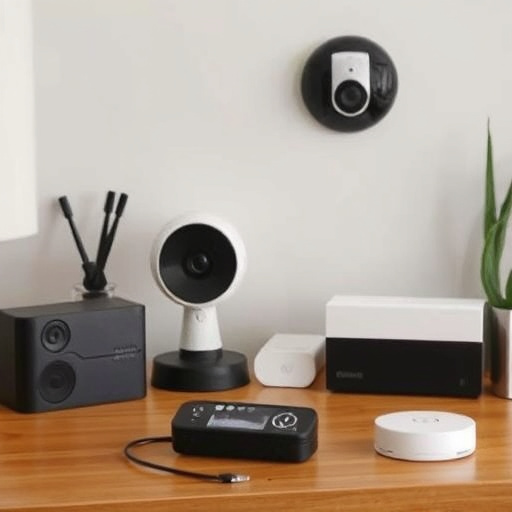
Securing your home is an integral aspect of modern living, where technology plays a pivotal role in enhancing your safety and peace of mind. Smart home security solutions offer an advanced approach to protection, providing efficient and convenient ways to safeguard your property. Essential devices in this arsenal include high-quality cameras, motion sensors, and smart locks. For instance, outdoor security cameras with advanced features like night vision and motion detection can deter intruders and provide invaluable evidence. According to a recent study, homes equipped with such surveillance systems experience thefts 40% less frequently.
Motion sensors, strategically placed throughout your residence, are highly effective in detecting unusual activity. These devices, often battery-powered and wireless, can be linked to your security system, triggering alerts when movement is sensed. Smart locks take home security to the next level by allowing remote access and control. With a simple tap on a smartphone app, you can lock or unlock doors, providing convenience while ensuring only authorized individuals gain entry. This technology also facilitates keyless entry for guests, enhancing accessibility without compromising security.
Integrating these devices into your home’s infrastructure creates a robust defense mechanism. Homeowners can benefit from real-time alerts and remote monitoring capabilities, empowering them to respond swiftly to potential threats. Furthermore, many smart security systems offer cloud storage for footage, ensuring easy access to critical data in the event of an incident. By investing in these essential devices, individuals can transform their homes into fortified spaces, merging technology with tranquility.
Integrating Systems: Creating a Networked Home

In today’s digital age, integrating smart home security solutions has become a cornerstone of modern convenience and safety. A networked home allows for seamless interaction between various devices and systems, providing homeowners with unparalleled control and peace of mind. This interconnectedness means that every component—from door locks to cameras and sensors—can communicate, share data, and respond to commands or events in real time. For instance, a motion sensor can trigger an alarm not only locally but also alert security providers and residents via smartphone apps simultaneously.
Creating a truly integrated home security system requires careful planning and selection of compatible devices. It’s essential to choose smart home platforms that support a wide range of security products from different manufacturers to ensure flexibility and avoid lock-in with a specific brand. For example, systems like Samsung SmartThings, Google Nest, or Apple HomeKit offer robust integrations that can connect hundreds of devices across multiple categories. Once the platform is selected, homeowners should prioritize purchasing devices with built-in encryption protocols and secure cloud storage for data backup to safeguard sensitive information.
Moreover, setting up automation routines and schedules adds another layer of efficiency and security. For a practical example, programming lights to turn on when motion is detected not only deters intruders but also provides an early warning system. Additionally, integrating home security with other smart home technologies like HVAC systems can optimize energy usage while ensuring optimal environmental conditions—a comfortable home is a secure home. Regular software updates for all devices are crucial to patching vulnerabilities and maintaining the integrity of the network, securing against evolving digital threats in much the same way physical locks and bolts protect against physical intrusion.
Mobile Access and Remote Monitoring

Modern home security solutions have evolved far beyond traditional locks and alarm systems. Mobile access and remote monitoring capabilities now allow homeowners to secure their properties and keep an eye on things even when they’re away. This shift towards smart home technology offers unparalleled convenience and peace of mind, empowering users with real-time insights into their home’s security status. For instance, top-tier smart door locks can be remotely locked or unlocked via a smartphone app, eliminating the need for physical keys and providing instant access only to authorized individuals.
The practical benefits are clear. According to a recent study by the National Crime Prevention Council, homes with security systems are 3 times less likely to be targeted by burglars. By integrating mobile access and remote monitoring into their home security strategies, homeowners can leverage this data-driven advantage. For example, Ring, a popular smart home security brand, reports that its users experience a 40% reduction in property crime. This is partly due to the immediate notifications and live video feeds that allow users to monitor their properties remotely.
Implementing these solutions isn’t as complex as one might think. Homeowners can start by installing a compatible security camera or smart lock, then download the corresponding app for easy setup and control. Many systems offer subscription plans with advanced features like automated alerts, motion detection, and 24/7 professional monitoring. For instance, SimpliSafe offers a comprehensive package that includes free 24/7 monitoring, automatic emergency notifications, and remote access via smartphone or web browser. This approach ensures homeowners can react swiftly to any security incidents, enhancing their home’s protection naturally.
Advanced Features for Peace of Mind

In today’s digital age, home security has evolved far beyond traditional locks and alarms. Advanced smart home security solutions are transforming the way we protect our spaces, offering peace of mind with features that adapt to our lifestyles. These systems leverage cutting-edge technology, such as motion sensors, facial recognition, and AI-powered analytics, to detect potential threats accurately and promptly. For instance, a study by Statista shows that global smart home security market revenue reached an impressive $8.1 billion in 2020, with projections indicating a steady growth rate of around 17% from 2021 to 2026.
One of the key advantages of these modern systems is their adaptability. Smart home security solutions can be tailored to individual preferences and family routines. They can automatically arm or disarm based on scheduled times, detect unusual activity patterns, and send alerts to homeowners via their smartphones. Advanced features like dual-tech detection—combining motion and vibration sensors—ensure reliable protection against break-ins. Additionally, integration with home automation systems allows for a unified approach to security, where lights, cameras, and door locks work in harmony to deter intruders.
However, the true power lies in predictive analytics. AI algorithms analyze historical data to anticipate potential risks. They can identify familiar routines and flag deviations, minimizing false alarms while maximizing response time. For example, if a pet’s behavior suddenly changes, the system can differentiate between an actual threat and animal mischief, avoiding unnecessary distress calls. This level of customization and intelligence not only enhances home security naturally but also fosters a sense of security that goes beyond traditional locks and alarm systems.
Modern home security solutions have evolved to meet the sophisticated needs of today’s tech-savvy homes. By integrating smart technology, homeowners can achieve enhanced protection, remote monitoring, and advanced features for unparalleled peace of mind. Key insights include understanding specific home security needs, securing essential devices, creating a networked home environment through system integration, leveraging mobile access, and embracing advanced functionalities. Moving forward, homeowners should consider adopting these innovative solutions to fortify their living spaces, ensuring safety, convenience, and a secure future in the digital age.