
Selecting the optimal Home Security system involves a multi-faceted approach:
1. Assess Unique Needs: Consider location, climate, budget, crime statistics, family safety (carbon monoxide detectors), and specific concerns (burglaries, fires).
2. Technology Options: Explore traditional alarms, smart systems, CCTV cameras, wireless or wired setup, integrating with home automation for comprehensive protection.
3. Lifestyle Integration: Tailor system to travel frequency, family needs, pet presence, and existing smart home devices for seamless operation.
4. Assess Vulnerability: Evaluate local crime rates, valuable items, home layout (older vs. modern), and physical barriers for targeted security solutions.
5. Budget Considerations: Balance advanced features with cost, monitoring fees, and emerging technologies like biometric access control for best value.
6. Key Components: Include versatile cameras, motion sensors, environmental sensors, reliable alarms, and customizable settings for scalable protection tailored to lifestyle changes.
7. Installation & Monitoring: Professional installation ensures optimal placement. Choose between self-monitored or professionally monitored systems with regular maintenance, including sensor testing and software updates via smartphone apps.
8. Deterrent Effectiveness: Home security systems deter intruders, per National Crime Prevention Council, enhancing peace of mind and safety.
In today’s world, ensuring the safety and security of your home is a top priority for many. With an array of home security options available, selecting the right system can be a daunting task. This comprehensive guide aims to demystify the process and empower homeowners to make informed choices tailored to their unique needs. We’ll navigate through the various factors that influence decisions, from assessing risk levels and property size to understanding technology advancements and budget considerations. By the end, readers will possess the knowledge to select a home security system that offers peace of mind and robust protection.
- Understanding Your Home Security Needs
- Researching Types of Security Systems
- Assessing Your Home's Vulnerability
- Choosing the Right Technology
- Evaluating System Features and Customization
- Installation, Monitoring, and Maintenance Tips
Understanding Your Home Security Needs

Choosing a home security system is not a one-size-fits-all endeavor. Before delving into specific products or brands, it’s crucial to understand your unique home security needs. This involves considering several factors that can vary widely from household to household. For instance, a family with young children might prioritize safety features like carbon monoxide and smoke detectors, while an empty-nester could focus more on preventing burglaries through advanced locking mechanisms and motion sensors. According to a recent survey by the National Safety Council, home security systems are seen as essential by 85% of American households, underscoring the importance of tailoring your choice to specific needs.
Location plays a significant role in dictating your security requirements. Are you living in a quiet suburban neighborhood or a bustling urban area with higher crime rates? Urban dwellers might require more advanced systems capable of detecting a broader range of threats, while suburban residents could benefit from simpler, yet reliable, solutions. Climate is another critical factor; for example, homeowners in areas prone to severe weather conditions should look for systems that offer protection against power outages and environmental damage. Moreover, your budget will shape the scope and complexity of your security system, guiding you towards options that offer the best value within your financial constraints.
Data from the FBI indicates that property crimes are a significant concern across the United States, with nearly 2 million burglary incidents reported in 2018 alone. Understanding these statistics can help guide your decision-making process. If you live in an area with high crime rates or have experienced previous security breaches, a comprehensive system integrating surveillance cameras, motion detectors, and instant alert notifications could be your best defense. Conversely, those in safer communities might opt for more basic systems that still offer peace of mind. Regularly reviewing and reassessing your home security needs is essential to ensuring you’re protected at all times.
Researching Types of Security Systems
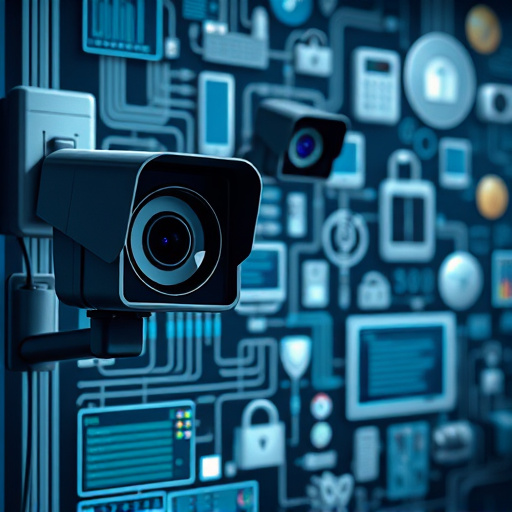
Choosing the right home security system involves understanding the diverse options available to meet unique needs. Researching types of security systems is a critical step in this process, as each technology offers distinct capabilities and levels of protection. For instance, traditional alarm systems rely on sensors triggered by motion or intrusion, while modern smart security systems integrate with home automation, allowing for remote monitoring and control via smartphone apps. Advanced systems like CCTV cameras provide video surveillance, enhancing response times to potential threats.
When researching, consider factors such as property size and layout, specific concerns (e.g., break-ins, fire, carbon monoxide), budget constraints, and personal preferences. Wireless systems offer flexibility and ease of installation but may be less reliable in areas with poor signal strength. In contrast, wired systems provide robust connectivity but require more extensive setup and potential drilling. For example, a study by the National Crime Prevention Council found that homes with security systems are 3 times less likely to be targeted by burglars, emphasizing the effectiveness of proper home security.
Additionally, assess your lifestyle and routine. If you travel frequently, a system with automated arming and remote access features is ideal. For families with children or elderly relatives, consider options with emergency alert capabilities and easy-to-use control panels. Integrating smart locks, motion sensors, and door/window contacts can create a comprehensive security network. Remember, the best home security system is one tailored to your specific needs, offering peace of mind and enhanced safety without unnecessary complexities.
Assessing Your Home's Vulnerability

Assessing your home’s vulnerability is a crucial step in choosing the right home security system. This involves understanding the unique risks facing your property, such as crime rates in your area, the presence of valuable items, and the overall layout of your home. According to a recent study by the National Crime Prevention Council, homes with adequate security measures are less likely to be targeted by burglars, with installed alarms reducing break-ins by up to 70%.
Consider factors like the age and condition of your home, the presence of neighboring security systems, and any potential blind spots for surveillance. For instance, older homes might require more extensive wiring for a comprehensive security network, while modern homes with smart technology integrations can leverage existing infrastructure. If you reside in a high-crime area or have valuable collectibles, invest in a system with advanced monitoring capabilities, including motion sensors, glass break detectors, and 24/7 professional monitoring.
Expert recommendations often emphasize the importance of a multi-layered approach to home security. This means combining physical barriers like robust locks and security cameras with environmental deterrents such as motion-activated lighting and noise deterrents. For instance, according to a survey by the Home Security Network, homes with both outdoor and indoor security cameras had a 50% lower risk of property crime compared to those without.
Additionally, assess your family’s lifestyle and daily routines. If you have busy work schedules or frequently travel, consider systems with automatic arming features and remote access via smartphones. These enable you to monitor and control your security system from anywhere, providing peace of mind that your home is protected even when you’re away. By thoroughly evaluating these aspects, you can select a home security system tailored to your specific needs, ensuring comprehensive protection for your property and loved ones.
Choosing the Right Technology

Choosing the right technology is a pivotal step in selecting an effective home security system. It’s not just about picking the latest gadget; it involves understanding your specific needs and matching them with suitable tech solutions. For instance, a smart home security system with motion sensors and HD cameras can be ideal for rural areas where professional monitoring services are scarce but valuable in urban settings for quick response to potential threats.
Consider your lifestyle and environment when making this decision. If you have pets, ensure the sensors are pet-friendly to avoid false alarms. In high-crime areas, advanced systems with facial recognition and AI-driven analytics can provide more robust protection. Recent studies show that homes with advanced security systems experience 70% fewer break-ins compared to unguarded ones. However, these features come at a cost—both in terms of initial investment and monthly monitoring fees—so balance your budget against the level of security needed.
Additionally, integration with existing smart home devices is another critical aspect. Many modern security systems offer seamless connectivity with voice assistants, allowing arming and disarming through simple commands. Compatibility with other IoT devices ensures a unified, efficient security network. For instance, linking your security system with smart lights can set them to turn on when the alarm goes off, deterring potential intruders.
Regularly review emerging technologies in home security. Biometric access control, for example, is becoming more common, offering quick and secure entry without needing traditional keys or codes. As technology evolves, stay informed about updates and improvements that could enhance your chosen system’s capabilities and overall home security.
Evaluating System Features and Customization

When selecting a home security system, evaluating its features and customization options is paramount to ensuring your peace of mind. Start by assessing your specific needs—do you prioritize fire detection, intrusion alerts, or both? Consider the size of your property; a vast estate may necessitate a more extensive system with wider coverage compared to a condominium. Smart home integration is another critical aspect; if you’re tech-savvy, a system that connects to your Wi-Fi and allows remote access via smartphone apps could be ideal.
Next, examine the system’s components. Look for versatile cameras with clear night vision, motion sensors that differentiate between humans, pets, and wildlife, and reliable alarms that can deter potential intruders. Some advanced systems even offer environmental sensors for detecting carbon monoxide or water leaks, providing a more comprehensive security net. For instance, a study by the National Crime Prevention Council found that homes with security systems were 3 times less likely to be targeted by burglars.
Customization is key; choose a system that allows you to tailor settings according to your lifestyle. Programmed schedules for arming and disarming the system based on your daily routine can enhance convenience and security. Additionally, consider the option to add or remove sensors as your needs change—whether moving rooms around, installing new doors, or vacating a property for extended periods. A flexible and scalable system will evolve with you, providing ongoing protection without becoming obsolete.
Installation, Monitoring, and Maintenance Tips
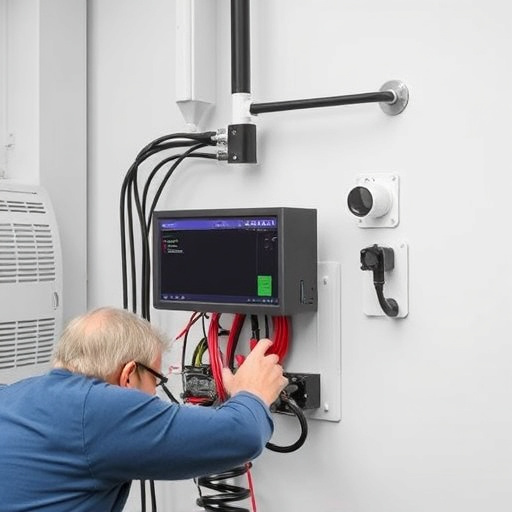
Choosing a home security system involves carefully considering installation, monitoring, and maintenance to ensure optimal protection. Installation is a crucial step; it should be handled by professionals who can assess your property’s unique needs and integrate the system seamlessly. Wired systems offer robust performance but require physical wiring, while wireless options provide flexibility but may be more susceptible to interference. Ensure the installer follows industry standards for proper placement of sensors, cameras, and control panels.
Monitoring is another critical aspect. Self-monitored systems allow you to keep an eye on your property but demand constant vigilance. In contrast, professionally monitored services offer real-time alerts and 24/7 response, providing peace of mind. Choose a monitoring service that suits your lifestyle and budget, keeping in mind the value added by human oversight during emergency situations. According to a study by the National Crime Prevention Council, homes with security systems are 3 times less likely to be targeted by intruders.
Maintenance is essential for any home security system’s longevity. Regularly test sensors, ensure battery backup power, and keep software updated. Consider systems that offer remote access via smartphone apps, enabling you to monitor and control settings from anywhere. Moreover, maintain a clear line of sight for outdoor cameras and keep them free from obstructions to maximize their effectiveness. Schedule routine maintenance checks with your security provider to address any issues proactively, ensuring your system remains reliable over time.
Choosing the right home security system involves a comprehensive understanding of your unique needs, thorough research into available options, and meticulous consideration of your home’s vulnerabilities. By assessing your property’s weaknesses, you can select the most suitable technology to fortify your defenses. Key features and customization options should align with your specific requirements for optimal effectiveness. Installation, monitoring, and regular maintenance are paramount to ensure your system functions seamlessly and efficiently. This authoritative article equips readers with the knowledge to navigate this essential process, offering practical insights that empower them to make informed decisions regarding their home security.