
Home Security implementation requires a balanced approach between budget and protection needs. Key insights:
– Understand fixed and variable expenses, comparing provider quotes to find best value.
– DIY options offer lower upfront costs with flexible scalability, leveraging smart devices for advanced security.
– Subscription services provide customizable packages tailored to individual requirements and long-term peace of mind.
– Customization allows selection of specific components, negotiable contracts available for significant savings.
– Initial setup fees range $300-$700, monitoring from $15/month, with potential long-term cost savings through reduced insurance and repair bills.
In the ever-evolving landscape of home security, cost-effectiveness shouldn’t compromise protection. Understanding competitive pricing options tailored to your budget is paramount. Many homeowners face a dilemma when it comes to affording robust security solutions, but the good news is, the market offers diverse, budget-friendly alternatives. This article serves as your comprehensive guide, demystifying the pricing landscape of home security systems, empowering you to make informed decisions. We’ll explore various pricing models, from cost-efficient DIY options to premium professional installations, ensuring you find the perfect balance between security and affordability.
- Understanding Your Home Security Budget
- Assessing Traditional Security Systems Costs
- Exploring DIY Home Security Solutions
- Smart Security Devices: A Cost-Effective Approach
- Comparing Subscription-Based Security Services
- Customizing and Negotiating for Your Needs
Understanding Your Home Security Budget
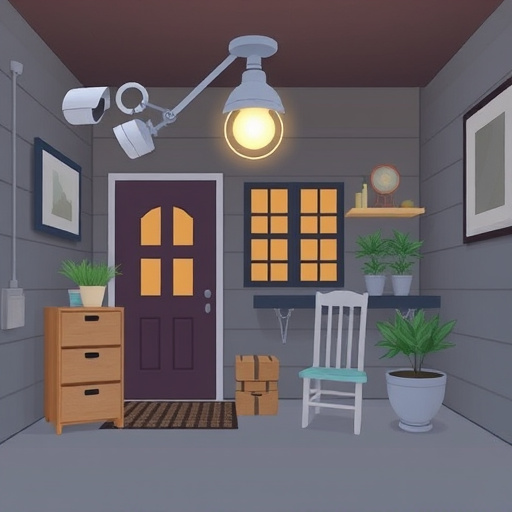
Understanding your budget is a critical step in implementing robust home security measures. Home Security isn’t a one-size-fits-all proposition—it requires tailoring to individual needs and financial constraints. Start by categorizing your expenses into fixed (mortgage, rent) and variable (groceries, entertainment). Allocate a percentage of your variable expenses towards home security based on your risk assessment; for instance, if you live in a high-crime area, investing in advanced surveillance systems may be prudent.
Consider the long-term benefits of comprehensive Home Security. While initial setup costs might seem steep, they often pay off through prevention of theft and potential damage. For example, according to the FBI, homes without security systems are three times more likely to be broken into. Compare pricing models from various providers; you’ll find options ranging from affordable DIY kits to subscription-based monitoring services. Smart budgeting involves weighing these options against your comfort level and risk tolerance.
Regularly review your budget and adjust your security investments accordingly. As your financial situation evolves, reevaluate your priorities. Modern Home Security solutions offer scalable packages that adapt to changing needs. For instance, you can start with basic door and window sensors and expand later to include smart cameras and keyless entry systems. This flexible approach ensures you maintain a secure home while adhering to your budget constraints.
Assessing Traditional Security Systems Costs

When evaluating home security options, understanding traditional security systems costs is paramount. These systems, often comprising alarms, cameras, and monitoring services, have long been the cornerstone of residential safety. However, their pricing structures can be complex, with variables like installation fees, equipment costs, and monthly monitoring charges. According to a recent industry report, the average cost for a basic home security system ranges from $300 to $700 upfront, not including ongoing monitoring fees that typically start at around $15 per month and can rise based on desired features and response times.
Delving deeper, we find that traditional systems often rely on contractors who charge installation fees based on the complexity of the setup. This can significantly impact overall costs, especially for larger properties or systems with advanced functionalities. Moreover, equipment replacement and maintenance expenses should be factored in, as older systems may require updates to stay compatible with modern monitoring centers. For example, a 2021 study revealed that nearly 60% of homes with traditional security systems needed at least one piece of equipment replaced within the first three years, leading to unexpected costs for homeowners.
To navigate these complexities, savvy consumers should request detailed quotes from multiple providers and compare not just prices but also service offerings and customer reviews. Modern alternatives like self-monitored or DIY security systems offer more transparent pricing models, often at lower upfront costs. However, for those seeking professional monitoring services, understanding the full spectrum of traditional system expenses empowers informed decisions, ensuring optimal home security without breaking the bank.
Exploring DIY Home Security Solutions

In today’s world, ensuring home security is a top priority for many homeowners. Fortunately, there are numerous competitive pricing options available to suit various budgets while maintaining robust home security. One area where significant progress has been made is DIY home security solutions, offering cost-effective measures that empower individuals to take control of their safety. This approach not only saves on installation and maintenance costs but also provides flexibility and customization opportunities.
DIY home security systems have evolved dramatically, leveraging advanced technologies like smart cameras, motion sensors, and connected alarms. For instance, Ring, a popular brand in this space, offers a range of doorbell cameras and security cameras with cloud storage options, starting at relatively low prices. These devices can be easily installed, monitored remotely via smartphone apps, and integrate seamlessly into existing home automation systems. According to a recent survey, over 30% of homeowners have invested in DIY security solutions, driven by their desire for affordable and accessible security measures.
Beyond cameras, simple yet effective DIY tactics include installing motion-activated lights, securing windows with cheap but sturdy locks, and utilizing inexpensive security stickers or signs indicating the presence of alarm systems. These basic steps can deter potential intruders without breaking the bank. However, for more comprehensive coverage, combining these DIY solutions with professional monitoring services can be ideal. Many companies offer bundled packages that include DIY setup and professional backup, ensuring optimal home security while keeping costs manageable.
Smart Security Devices: A Cost-Effective Approach

Smart security devices offer a cost-effective approach to enhancing home security without breaking the bank. These innovative solutions not only provide advanced protection but also integrate seamlessly with existing home automation systems, making them a popular choice among tech-savvy homeowners looking for budget-friendly options. For instance, smart cameras equipped with motion sensors and facial recognition technology can deter intruders and send alerts directly to your smartphone, all while consuming minimal power. According to a recent report by Grand View Research, the global smart home security market size is expected to reach USD 28.1 billion by 2030, growing at a CAGR of 16.5% from 2021 to 2030, highlighting the increasing demand for affordable yet effective home security solutions.
One of the key benefits of smart security devices is their flexibility and scalability. Basic packages often include essential features like door and window sensors, motion detectors, and alert systems, while more advanced options can be added gradually as your budget allows. For example, a simple door lock with Bluetooth connectivity can cost as little as $50, while a comprehensive home security system featuring CCTV cameras, smart alarms, and 24/7 monitoring services might range from $300 to $1000, depending on the scope and quality. This modular approach ensures you pay only for what you need, making it an attractive option for budget-conscious individuals who want peace of mind without overspending.
Moreover, smart security devices often provide significant long-term savings by reducing insurance premiums and potential repair costs associated with burglaries or damage. Many insurers offer discounts for homes equipped with working security systems, which can offset the initial investment over time. Additionally, these devices promote responsible homeownership by encouraging proactive measures to protect personal property and loved ones. By integrating smart security into your living space, you create a safer, more secure environment without compromising on style or comfort, ensuring that both your home and peace of mind are well-guarded.
Comparing Subscription-Based Security Services

When considering home security options, one of the most strategic decisions is choosing a subscription-based service that aligns with your budget and needs. These services offer a range of competitive pricing models, each tailored to different levels of protection and monitoring. A thorough comparison allows homeowners to make an informed choice, ensuring they receive the best value for their investment in home security.
Subscription plans typically vary based on factors such as the number of security devices, level of monitoring, and additional features like fire detection or smart home integration. For instance, basic packages might include a door/window sensor and a control panel, while premium options could feature advanced cameras, motion sensors, and 24/7 professional monitoring. Leading providers like ADT, Vivint, and Frontpoint offer flexible plans, allowing users to customize their systems and pay for exactly what they need. According to a recent market report, the subscription-based home security market is expected to grow at a CAGR of 12% from 2023 to 2030, reflecting increasing demand for cost-effective solutions.
An expert perspective highlights the importance of long-term value. “Subscribing to a security service isn’t just about initial cost savings,” remarks industry analyst Sarah Thompson. “It’s about continuous peace of mind and access to advanced technology that adapts as your home security needs evolve.” For homeowners on tighter budgets, some services offer tiered pricing or introductory discounts, making high-end protection more accessible. By comparing plans, users can identify hidden benefits, such as lower rates for long-term commitments or bundled packages with home automation features, enhancing overall home security without breaking the bank.
Customizing and Negotiating for Your Needs

When it comes to home security, one size doesn’t fit all. Understanding your specific needs is key to choosing a pricing model that offers both optimal protection and financial alignment with your budget. Customization and negotiation are powerful tools available to homeowners seeking tailored solutions. This involves assessing not just physical hardware but also the level of monitoring, response times, and customer service packages required.
For instance, while a basic DIY security system might cost $200-$400 upfront, installation and ongoing maintenance fees can add significant variables. In contrast, a comprehensive monitored security system with 24/7 professional monitoring and immediate response to alerts could range from $500-$1500 initially, plus monthly subscription charges varying based on services selected. Customization allows you to pick and choose components: basic motion sensors, high-definition cameras, glassbreak detectors, or advanced flood sensors, each with its corresponding price point.
Negotiation is another strategic aspect. Many security companies offer flexible contracts with adjustable pricing tiers. For example, a 3-year contract might be more cost-effective than a 5-year one, but the savings may not justify the extended commitment. Be prepared to discuss your specific concerns and budget constraints openly. Companies often have promotions or special packages designed to attract new clients or retain existing ones, which could offer substantial discounts. Additionally, bundling home security services with other utilities like surveillance cameras or home automation systems can lead to significant overall cost savings.
Ultimately, the goal is to find a pricing model that aligns perfectly with your needs and budget. By customizing your package and negotiating terms, you can secure robust home security without breaking the bank. Remember, an informed decision based on detailed analysis of both features and financial aspects will ensure you’re investing in a system that offers peace of mind and value for years to come.
By skillfully navigating through various home security options, from understanding your budget to exploring DIY solutions and smart devices, you now possess a robust framework for making informed decisions. The article has highlighted the importance of assessing traditional system costs, customizing services to fit unique needs, and leveraging subscription models effectively. Key takeaways include recognizing that competitive pricing exists across diverse sectors, allowing you to choose options tailored to your budget. Moving forward, consider a multi-layered approach: evaluate DIY solutions for cost savings, integrate smart security devices for enhanced efficiency, and leverage professional services on a subscription basis only for essential, customized protection. This strategic blend ensures both affordability and comprehensive home security.