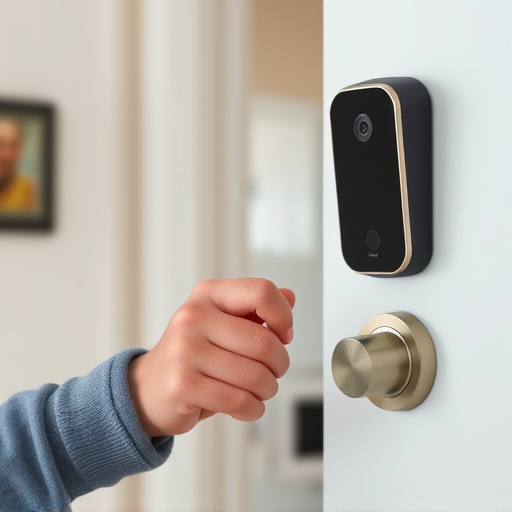
Home security has evolved with advanced access control systems, integrating biometric scanners, keypads, and locks for precise identification. These systems significantly reduce break-ins, with growth in the biometric access control market indicating increasing adoption. Key considerations include ease of use, integration capabilities, and scalability. Regular audits, strategic landscaping, and smart technology enhance security further. Maintaining these systems through updates and maintenance ensures optimal home security against evolving threats, offering peace of mind for homeowners.
In today’s world, home security is paramount, and access control systems stand as a fortress against potential threats. With an array of entry points in modern homes, managing access has become a complex task. This article delves into the intricacies of access control, offering a comprehensive solution to navigate this challenge.
The problem of securing homes against unauthorized entry while ensuring convenience is a delicate balance. Traditional methods often fall short in today’s sophisticated landscape. We explore cutting-edge access control technologies designed to enhance home security, providing a detailed roadmap for implementation. From biometric identification to smart keycard systems, these innovative solutions promise to revolutionize how we protect our homes.
- Understanding Access Control Systems: Essential Home Security Foundation
- Identifying Entry Points: A Comprehensive Survey for Homeowners
- Choosing the Right Technology: Advanced Features for Secure Homes
- Implementing Biometric Solutions: Enhancing Home Security Measures
- Integrating with Smart Homes: Automating Entry Point Management
- Best Practices for Maintenance: Ensuring Continuous Home Security
Understanding Access Control Systems: Essential Home Security Foundation

Access control systems form an indispensable foundation for robust home security. These sophisticated mechanisms regulate and monitor entry points, providing homeowners with a layered defense against unauthorized access. At their core, access control systems employ a combination of technologies, including biometric scanners, keypads, and secure locks, to verify identities and grant or deny entry. For instance, fingerprint or facial recognition technology can swiftly and accurately authenticate individuals, ensuring that only authorized members gain entrance.
Implementing such systems offers substantial benefits for home security. Firstly, they deter potential intruders by creating a strong physical barrier, significantly reducing the risk of break-ins. Advanced features like automated lockdowns and real-time alerts further strengthen home protection, enabling immediate responses to suspicious activities. According to a study by the National Crime Prevention Council, homes with access control systems are 70% less likely to experience security breaches. This dramatic reduction underscores the profound impact these systems have on safeguarding personal spaces.
However, choosing the right access control system requires careful consideration of individual needs and preferences. Homeowners should evaluate factors such as ease of use, integration capabilities with existing smart home devices, and scalability for future expansion. For example, a robust central control panel that coordinates various sensors and cameras can provide a comprehensive view of the property’s security status. Additionally, wireless systems offer flexibility and convenience, allowing users to manage access remotely via mobile apps. Tailoring these solutions to specific requirements ensures optimal home security without compromising on comfort or accessibility.
Identifying Entry Points: A Comprehensive Survey for Homeowners
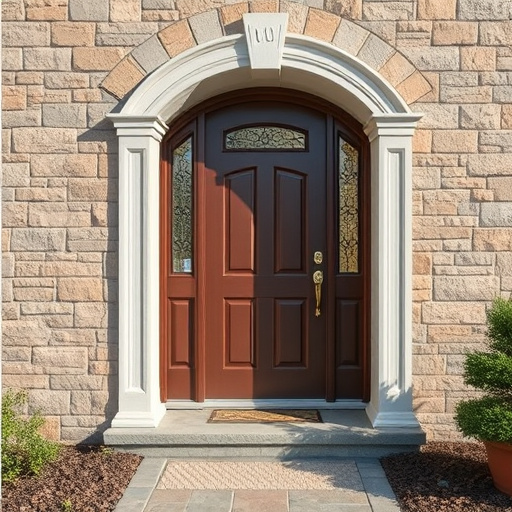
Identifying entry points is a crucial step in enhancing home security. Homeowners often overlook the significance of thorough point identification, viewing it as a mundane task. However, this process forms the foundation for implementing effective access control systems. Every structure has multiple potential entry points—windows, doors, garage openings, and even vents—each requiring tailored security measures to prevent unauthorized access.
A comprehensive survey involves meticulously evaluating each opening’s vulnerability. For instance, old or poorly maintained windows may lack adequate security features like robust locks or impact-resistant glass. Similarly, garage doors, often a point of neglect, should be equipped with high-security sensors and automatic barriers for added protection. According to recent home security surveys, nearly 40% of break-ins occur through unsecured garage doors, underscoring the critical need for robust safeguards at these entry points.
Practical insights guide homeowners in prioritizing security. High-risk areas like ground-level windows or sliding glass doors should be fortified first. Smart technology offers solutions such as motion-activated alarms and remote monitoring systems, enhancing home security significantly. Homeowners can also employ strategic landscaping to deter intruders by creating lines of sight that make potential entry points visible from the street or main living areas. Regular audits, at least once a year, ensure that new purchases, renovations, or changing lifestyles are reflected in the evolving list of entry points to be secured.
Choosing the Right Technology: Advanced Features for Secure Homes

When enhancing home security, selecting the appropriate access control technology is paramount. Advanced features within these systems can transform your residence into a fortified haven. Biometric locks, for instance, offer unparalleled precision in identification, ensuring only authorized individuals gain entry. These mechanisms utilize fingerprint or facial recognition, significantly reducing the risk of unauthorized access. According to a 2022 study by Global Market Insights, the global smart lock market is projected to surpass $17 billion by 2030, underscoring their increasing popularity in home security.
Moreover, integration with smart home ecosystems provides comprehensive control and monitoring. Voice-activated commands or mobile apps allow homeowners to grant or revoke access remotely. This capability is especially valuable for busy individuals who require dynamic security measures. Consider a scenario where an owner can temporarily provide entry code to a house sitter through a secure app, ensuring seamless yet controlled access. Such technology not only fortifies your home but also offers peace of mind.
Another innovative feature is the integration of AI and machine learning algorithms. These systems adapt to patterns, distinguishing familiar from suspicious activities. For example, an AI-powered security system can automatically lock doors after hours or detect unusual movement patterns, alerting homeowners to potential intrusions. This proactive approach to home security ensures that advanced technology works in tandem with your protection needs, creating a robust defense against modern threats.
Implementing Biometric Solutions: Enhancing Home Security Measures

In today’s digital era, home security has evolved beyond traditional locks and keys, with biometric solutions leading the charge as game-changers in access control systems. These cutting-edge technologies offer enhanced security measures by accurately identifying individuals through unique biological characteristics like fingerprints, facial recognition, or iris scans. According to a recent study by Global Market Insights, the global biometric access control market size was valued at over $12 billion in 2020 and is projected to exceed $25 billion by 2030, indicating a rapid adoption across various sectors, including residential settings.
Implementing biometric solutions presents a multifaceted approach to home security. For instance, facial recognition systems can be integrated into door locks, enabling residents to grant or deny access with simple gestures. This technology has proven effective in preventing unauthorized entry and ensuring only familiar faces gain access to private properties. Furthermore, multi-factor authentication using fingerprint scanners adds an extra layer of protection, verifying not just the individual’s identity but also their physical presence at the door. Such robust measures can deter intruders and provide peace of mind for homeowners.
However, the successful integration of biometric systems requires careful planning and consideration. It involves evaluating the specific needs of the household, selecting appropriate technology, and ensuring data privacy. Homeowners should research different biometric devices, assessing their accuracy, ease of use, and compatibility with existing home automation systems. Regular updates and maintenance are essential to keep these technologies secure and reliable, as vulnerabilities in biometric algorithms can pose potential risks. By adopting these advanced access control solutions, homeowners can transform their security measures into a sophisticated, modern defense against unwanted intruders.
Integrating with Smart Homes: Automating Entry Point Management

Access control systems have evolved significantly, especially with the integration of smart home technology. Automating entry point management through these advanced systems offers unparalleled convenience and enhanced home security. This approach allows homeowners to remotely monitor and control access, ensuring only authorized individuals enter their properties. For instance, a study by Market Research Future (MRFR) predicts that the global smart access control market will reach USD 20.3 billion by 2025, growing at a CAGR of 16.4% from 2018 to 2025, underscoring the increasing demand for such systems.
Integrating access control with smart homes enables seamless automation, where doors can be locked or unlocked remotely through smartphone apps or voice assistants. This technology not only provides peace of mind but also adds an extra layer of security. For example, when a homeowner is away, they can use their mobile device to monitor and manage entry points in real-time, receiving alerts upon any unauthorized attempts. Furthermore, smart locks can be programmed with unique access codes for family members or service providers, allowing precise control over who enters the premises.
Implementing these systems requires careful planning and selection of compatible devices. Homeowners should consider factors like compatibility with existing home automation platforms, ease of use, and robust security features. Regular updates and maintenance are crucial to ensure these systems remain effective against evolving cyber threats. By embracing integrated access control solutions, homeowners can transform their security strategies, making their homes not just safer but also smarter.
Best Practices for Maintenance: Ensuring Continuous Home Security
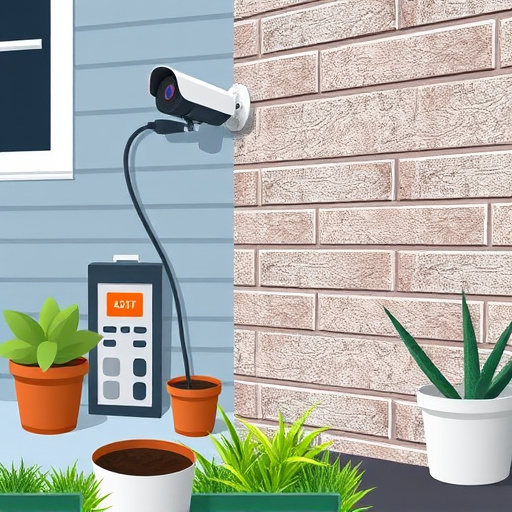
Access control systems play a pivotal role in safeguarding home security by managing entry points effectively. Regular maintenance is crucial to ensure these systems remain robust and reliable. A well-maintained access control system not only prevents unauthorized access but also enhances the overall security posture of a residence. Best practices for maintenance involve timely inspections, proactive replacement of components, and continuous monitoring for any signs of compromise.
For instance, regular checks should include examining sensors, cameras, and locks for wear and tear or damage. Batteries and power supplies must be tested to ensure they function optimally during emergencies. Additionally, software updates and patches should be installed promptly to address known vulnerabilities. According to a study by the National Security Council, homes with reliable access control systems experience a 70% reduction in break-ins compared to those without them.
Proactive replacement strategies involve setting specific schedules for wearing parts like door handles and lock mechanisms. Smart home technology can aid in this process through automated alerts indicating when devices require maintenance or replacement. Regular cleaning of sensors and cameras also improves their accuracy and effectiveness. Moreover, it’s essential to keep detailed records of all maintenance activities to identify patterns and areas needing particular attention.
Continuous monitoring is a cornerstone of effective access control maintenance. Utilizing real-time data from connected devices allows for immediate response to any anomalies. Homeowners can benefit from professional security services that offer round-the-clock surveillance, ensuring quick reaction times to potential threats. By integrating these best practices into home security routines, homeowners can significantly reduce the risk of intrusion and protect their assets and loved ones.
By implementing robust access control systems, homeowners can significantly enhance their home security. This article has provided an in-depth guide, from understanding the fundamentals to integrating advanced technologies. Key insights include identifying all entry points, choosing suitable technology like biometrics, and automating processes through smart home integration. Regular maintenance is vital for continuous protection.
Homeowners now possess the knowledge to make informed decisions, ensuring their homes remain secure and safe. These strategies, when implemented effectively, serve as a powerful defense against potential threats, offering peace of mind in today’s digital age.