Home Security is a multifaceted process requiring detailed risk assessments, regular audits, and proactive measures. Key strategies include evaluating property layout, installing high-quality locks and smart systems, conducting routine inspections, and engaging professionals for tailored advice. Regular maintenance, education, and community involvement significantly reduce property crimes and enhance overall safety. Continuous monitoring, adaptation to technology changes, and a culture of improvement are essential for effective Home Security.
In today’s complex world, comprehensive risk management and prevention are paramount, especially when considering the multifaceted aspects of home security. The ever-evolving landscape of potential threats demands a nuanced approach to safeguarding our personal spaces. This article delves into the critical need for detailed assessments, offering a strategic framework to identify, mitigate, and prevent risks effectively. By exploring proven methodologies, we aim to empower individuals and organizations with the knowledge to fortify their defenses, ensuring peace of mind in an uncertain environment. Let’s unlock the secrets to enhancing home security through meticulous risk assessment practices.
- Understanding Risk Assessment: Home Security Foundation
- Identifying Vulnerabilities: Comprehensive Home Audit
- Developing a Prevention Plan: Proactive Home Security Measures
- Implementing Mitigation Strategies: Reducing Risks at Home
- Continuous Monitoring: Enhancing Home Security Over Time
Understanding Risk Assessment: Home Security Foundation

Comprehensive risk assessments are a cornerstone of effective home security strategies. Understanding the intricate factors contributing to potential risks is paramount for homeowners and security professionals alike. The Home Security Foundation emphasizes a holistic approach, where each aspect of a residence is meticulously evaluated to identify vulnerabilities. This proactive stance not only enhances physical safety but also cultivates a sense of peace of mind for residents.
A thorough risk assessment involves scrutinizing the property’s layout, access points, and surrounding environment. For instance, vulnerable entryways like unsecured doors or windows are identified, along with potential hazards within the home, such as poorly lit areas or lack of security systems. Data from recent studies indicates that over 40% of break-ins occur through unlocked doors, highlighting the critical need for robust home security measures. Expert recommendations include installing high-quality locks, reinforcing door frames, and integrating smart home security systems.
Practical steps involve regular inspections, updating security protocols, and educating family members or roommates about safety protocols. Homeowners should consider engaging professional risk assessment services to gain specialized insights. These experts can provide tailored advice based on the property’s unique characteristics, ensuring no stone is left unturned in fortifying home security. By embracing a proactive mindset, homeowners can transform their residences into safe havens, significantly reducing the likelihood of unforeseen dangers.
Identifying Vulnerabilities: Comprehensive Home Audit

A comprehensive home audit is a critical step in identifying vulnerabilities and enhancing home security. This detailed assessment involves meticulously examining every aspect of a residence, from structural integrity to electronic systems, to pinpoint potential risks that could compromise safety and privacy. For instance, an older home may exhibit structural weaknesses such as crumbling foundations or rotten wooden frames, which can be easily overlooked during routine inspections but pose significant hazards.
During the audit process, experts consider various factors unique to each property, including its age, construction materials, and prior renovations. They assess the security of entry points like doors and windows, checking for proper locking mechanisms and sealing against intruders. Advanced technologies such as surveillance cameras, motion sensors, and smart locks are also evaluated for their effectiveness in deterring crime and monitoring activities within the home. According to a study by the National Crime Prevention Council, homes equipped with alarm systems and security cameras have up to 60% fewer property crimes compared to unsecure dwellings.
Furthermore, a comprehensive audit delves into environmental considerations like carbon monoxide and smoke detectors, ensuring they are operational and strategically placed. It also examines fire safety protocols, escape routes, and the availability of fire extinguishers. By identifying these vulnerabilities and implementing appropriate countermeasures, homeowners can significantly enhance their home security and create a safer living environment for themselves and their families. Regular audits, preferably conducted by certified professionals, should be viewed as essential maintenance tasks to safeguard personal well-being and protect valuable assets.
Developing a Prevention Plan: Proactive Home Security Measures

Comprehensive risk management requires proactive approaches to home security. Developing a prevention plan is a critical step in safeguarding personal spaces. According to the Bureau of Justice Statistics, approximately 3.4 million property crimes occur annually in the United States, with nearly two-thirds of these incidents involving homes. A well-designed prevention strategy can significantly deter potential intruders and enhance overall security.
The first line of defense lies in adopting simple yet effective home security measures. Installing robust locks on all entry points, including doors and windows, is an essential foundation. Modern smart locks offer advanced security features like biometric access control, ensuring only authorized individuals can enter. Additionally, investing in a reliable security system with motion detectors and alarms can act as a powerful deterrent. For instance, research shows that homes with visible security cameras are 30% less likely to be targeted by burglars.
Regular maintenance and awareness are other vital components. Homeowners should conduct periodic checks to ensure all locks function correctly and replace batteries in security systems promptly. Simple measures like trimming bushes and trees near windows can reduce hiding spots for intruders. Moreover, educating residents about neighborhood watch programs and reporting suspicious activities fosters a culture of vigilance and collective responsibility. By integrating these proactive steps into a comprehensive prevention plan, individuals can transform their homes into safer havens.
Implementing Mitigation Strategies: Reducing Risks at Home

Comprehensive risk management requires proactive strategies to mitigate potential dangers, especially within our homes, where we spend a significant portion of our lives. Home security is not just about deterring intruders; it encompasses a holistic approach to ensuring the well-being and safety of residents. Implementing effective mitigation measures can significantly reduce risks associated with accidents, crimes, and natural disasters.
One of the primary steps in enhancing home security is conducting thorough risk assessments. This involves identifying potential hazards, from simple slip-and-fall incidents to more complex issues like carbon monoxide poisoning or structural failures. For instance, older homes may require extensive inspections for outdated electrical systems or leaky pipes, which could lead to severe damage or even fire hazards. Regular checks and maintenance are essential; according to the National Safety Council, home accidents account for a substantial number of injuries and deaths annually, emphasizing the urgency of proactive measures.
Mitigation strategies should be tailored to address these risks effectively. Simple yet impactful actions include installing smoke detectors on every level of the home and testing them monthly, ensuring carbon monoxide detectors are up-to-date, and creating an emergency plan for residents. For external areas, proper lighting and security cameras can deter criminals while making it easier to identify potential threats. Homeowners should also consider robust door and window locks, reinforced entry points, and even smart security systems that integrate with existing home appliances for real-time monitoring. By implementing these measures, individuals can transform their homes into safer havens, reducing the likelihood of unforeseen risks materializing.
Continuous Monitoring: Enhancing Home Security Over Time
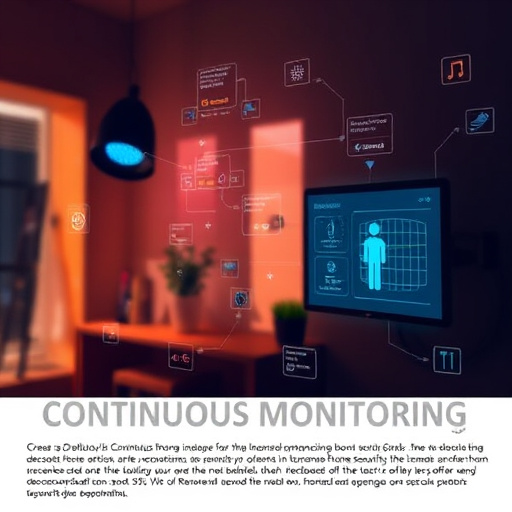
Home security is not a one-time endeavor but an ongoing process that demands continuous monitoring and adaptation. As crime patterns evolve, smart homes and connected devices introduce new vulnerabilities, necessitating a proactive approach to risk management. Advanced technology offers both challenges and solutions in this domain. For instance, while smart locks and security cameras provide real-time monitoring, the integration of these systems requires careful consideration to ensure data privacy and cybersecurity.
A comprehensive risk management strategy for home security involves regular, dynamic assessments. This includes keeping up with the latest security trends, evaluating the effectiveness of existing measures, and implementing new technologies as they emerge. For instance, artificial intelligence-powered security systems can detect unusual patterns, predict potential threats, and respond autonomously, enhancing the overall resilience of the home. Additionally, continuous monitoring should encompass not just physical security but also digital safety. Home users must stay vigilant against cyberattacks, such as phishing and ransomware, which can compromise security systems and put personal information at risk.
Practical steps include regularly updating software, using robust passwords, and employing two-factor authentication. Homeowners should also consider enrolling in community watch programs and fostering neighborhood vigilance, as collective effort can significantly strengthen local security networks. By embracing a culture of continuous improvement and staying informed, individuals can enhance their home security, ensuring a safer and more secure living environment over time.
Comprehensive risk management for home security involves a multi-faceted approach. By understanding risk assessment, identifying vulnerabilities through thorough audits, and developing proactive prevention plans, homeowners can significantly enhance their safety. Implementing mitigation strategies reduces risks, while continuous monitoring ensures home security remains robust over time. This authoritative article provides a foundational guide for navigating these crucial aspects, empowering readers to take control of their home’s security and peace of mind. Key insights include the importance of proactive measures, regular audits, and ongoing vigilance in safeguarding personal spaces.