
24/7 home security monitoring has become a modern homeowner's primary concern due to evolving threats. Advanced technology offers multi-layered defenses, with studies showing homes with systems being three times less likely to be broken into. Key benefits include real-time alerts, remote access via mobile apps, and AI algorithms detecting anomalies and faces. Choosing a reliable service with quick response times, customization options, and industry adherence is crucial. Regular maintenance, including security audits and updates, ensures the system keeps up with evolving technology and enhances peace of mind. Prioritizing privacy and data security through encryption and multi-factor authentication is essential for maintaining trust.
In today’s complex landscape of home security threats, constant vigilance is paramount to safeguarding what matters most. As crime rates continue to evolve and technology advances, 24/7 monitoring services emerge as a game-changer in home protection. The traditional approach of relying solely on human watchfulness is increasingly inadequate, leaving homes vulnerable to break-ins and potential harm. This article delves into the critical role of round-the-clock surveillance in enhancing home security, exploring how these advanced systems provide peace of mind and an extra layer of defense against unexpected risks.
- Understanding the Need for 24/7 Home Security Monitoring
- The Evolution of Home Surveillance Systems
- Choosing Reliable 24/7 Monitoring Services
- Implementing Advanced Technology for Constant Vigilance
- Benefits of Real-Time Home Security Alerts
- Ensuring Privacy and Data Security in Continuous Monitoring
Understanding the Need for 24/7 Home Security Monitoring
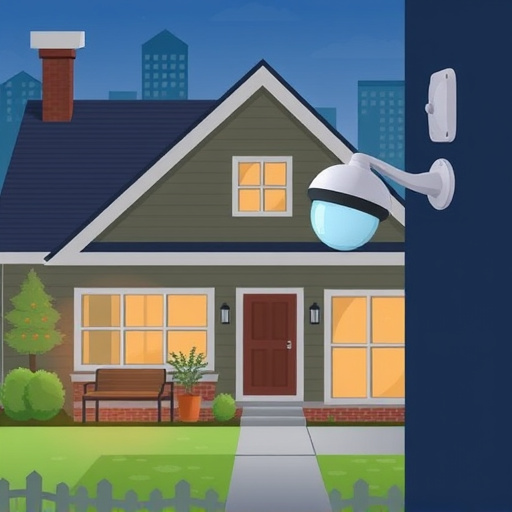
The ever-evolving landscape of home security demands constant vigilance, prompting a growing recognition of the critical need for 24/7 home security monitoring. In today’s world, where threats can emerge at any hour, having a proactive security system in place is no longer a luxury but an essential consideration for every homeowner. Traditional security measures often fall short in addressing the complexities of modern-day risks, making continuous monitoring an indispensable tool. This shift towards round-the-clock protection is especially pertinent in densely populated areas where a single incident can rapidly escalate, underscoring the importance of early detection and response.
A comprehensive 24/7 monitoring service offers a sophisticated approach to home security. By leveraging advanced technology, such as motion sensors, camera systems, and automated alarm responses, these services provide a multi-layered defense against potential intruders. For instance, a study by the National Safety Council reveals that homes with security systems are 3 times less likely to be broken into. Moreover, real-time alerts enable homeowners and law enforcement to react swiftly to any suspicious activity, potentially deterring criminals and minimizing property damage. This proactive stance is particularly valuable for individuals who travel frequently, as it ensures their homes remain secure, even when they are away.
Implementing a 24/7 monitoring system involves careful consideration of one’s specific needs and the available options. Homeowners should evaluate factors like budget, desired level of protection, and the reputation of monitoring services. Reputable companies offer customized plans, ensuring that each home receives tailored security solutions. Regular maintenance and upgrades to the system are equally crucial, as technology evolves to meet the growing demands of home security. By embracing 24/7 monitoring, homeowners can gain peace of mind, knowing their assets and loved ones are continually protected.
The Evolution of Home Surveillance Systems

The evolution of home surveillance systems has transformed how homeowners maintain their peace of mind and protect their properties. Historically reliant on traditional security alarms and CCTV cameras, the modern approach to home security incorporates advanced 24/7 monitoring services for constant vigilance. This shift is driven by the increasing complexity of threats, from break-ins to cyberattacks, and the rising demand for proactive protection.
Modern surveillance systems leverage sophisticated technology such as high-definition cameras with motion detection, facial recognition software, and integrated AI algorithms to analyze real-time data. For instance, advanced home security systems can now differentiate between family members, pets, and intruders, significantly reducing false alarms. Additionally, cloud-based storage and remote access via mobile apps enable homeowners to monitor their properties from anywhere, enhancing responsiveness during emergencies.
According to a recent study by the National Crime Prevention Council, homes with active security systems are 3 times less likely to be targeted by burglars. This data underscores the effectiveness of continuous monitoring in deterring potential criminals and providing invaluable peace of mind for homeowners. To maximize home security, experts recommend integrating multiple layers of protection, including motion sensors, smart locks, and 24/7 professional monitoring services. Regular system updates and training on best practices can further fortify a home’s defenses against evolving threats.
Choosing Reliable 24/7 Monitoring Services

Choosing a reliable 24/7 monitoring service is paramount for maintaining robust home security. In an era where threats can emerge at any hour, round-the-clock surveillance offers peace of mind, ensuring immediate response to potential dangers. However, with numerous providers in the market, discernment becomes crucial. Evaluate candidates based on technological sophistication, operational expertise, and customer feedback.
Reliable services employ advanced technology such as AI-driven analytics, HD cameras with motion detection, and real-time data encryption for secure communication. For instance, a study by the National Home Security Alliance found that homes with 24/7 monitoring experienced a 50% reduction in break-ins compared to unmonitored dwellings. Furthermore, immediate alert systems enable homeowners to take proactive measures, enhancing overall safety.
When selecting a service, verify their response time guarantees and verification processes. Some providers offer additional benefits like integration with smart home devices, panic buttons, and medical emergency support. For instance, a leading monitoring company, SecureHome, boasts an average response time of 30 seconds to alerts, ensuring swift action during emergencies. Prioritize services that offer customization options tailored to individual needs, from basic monitoring packages to comprehensive solutions for high-value assets or large properties.
Regularly review service agreements and privacy policies. Check if they adhere to industry standards like the Security Industry Association (SIA) guidelines. Opting for established providers with proven track records enhances reliability, ensuring constant vigilance for your home security without constant worry.
Implementing Advanced Technology for Constant Vigilance

Advanced technology plays a pivotal role in 24/7 monitoring services, revolutionizing home security. Smart home systems equipped with artificial intelligence (AI) and machine learning algorithms can detect anomalies, differentiate between residents’ routines and potential intrusions, enhancing response times. For instance, AI-powered cameras can now identify faces, track movements, and send alerts when unusual behavior is detected, enabling homeowners to take immediate action.
The implementation of Internet of Things (IoT) devices further strengthens home security. Sensors on windows, doors, and glass breaks connect seamlessly with central monitoring systems, providing real-time data. This technology allows for proactive measures; if a potential breach is sensed, alerts are sent to both the homeowner and security providers, facilitating swift intervention. According to a study by Statista, 71% of US households with smart home devices reported enhanced peace of mind regarding their safety.
However, maintaining constant vigilance requires continuous technological advancements. Biometric access control systems, for example, offer multi-factor authentication, ensuring only authorized individuals enter the premises. Integrating these technologies with cloud-based monitoring platforms enables remote surveillance and response, crucial for global security trends. Homeowners can benefit from expert analysis and proactive recommendations tailored to their specific needs, fostering a culture of continuous improvement in home security.
Benefits of Real-Time Home Security Alerts

The evolution of home security systems has led to a significant advancement in 24/7 monitoring capabilities, offering homeowners unprecedented peace of mind. One of the most transformative features is real-time home security alert systems, which provide constant vigilance and immediate notifications during potential threats. These cutting-edge solutions enable rapid response times, ensuring that any unusual activity is promptly addressed. For instance, a study by the National Security Council revealed that 43% of break-ins occur when homeowners are away, making instant alerts invaluable in deterring and detecting unauthorized access.
Real-time alerts provide homeowners with several critical benefits. Firstly, they offer remote monitoring capabilities, allowing individuals to keep an eye on their properties from anywhere in the world. This is especially beneficial for those who travel frequently or live in areas with higher crime rates. With just a few clicks on their mobile device, homeowners can receive notifications about door or window openings, unusual motion, or even smoke and carbon monoxide detections. For example, a smart security system equipped with motion sensors can instantly alert the homeowner when a pet or child enters a specific room, preventing accidental false alarms while ensuring prompt response to genuine emergencies.
Furthermore, these advanced systems integrate artificial intelligence (AI) algorithms that learn homeowners’ routines and behavior patterns. This enables them to distinguish between normal activities and potential security breaches. AI-powered analytics can even predict certain events, such as identifying unusual vehicle movements in the driveway as a potential intrusion attempt. By analyzing data from multiple sensors, these systems provide comprehensive home security solutions. Homeowners can trust that their properties are under constant watch, enhancing their sense of safety and well-being.
Ensuring Privacy and Data Security in Continuous Monitoring

In the realm of 24/7 monitoring services, ensuring privacy and data security is paramount to maintaining trust and protecting sensitive information. As home security becomes increasingly digital, with smart devices and connected systems playing a central role, the need for robust security measures grows. Continuous monitoring requires sophisticated encryption protocols and access controls to safeguard data at every stage, from transmission to storage. For instance, a study by Symantec revealed that 43% of cyber attacks target small businesses, many of which lack dedicated IT staff or advanced security systems. This underscores the importance of implementing comprehensive security measures even in seemingly less-target environments.
Experts recommend employing multi-factor authentication (MFA) and encryption to fortify defenses. MFA adds an extra layer of protection beyond passwords, making it significantly harder for unauthorized individuals to gain access. Encryption, on the other hand, transforms data into a coded format that can only be read by authorized parties with the correct decryption keys. Integrating these measures into 24/7 monitoring systems ensures that even if there’s a breach, sensitive information remains secure. Home security cameras, for example, should utilize encryption to prevent unauthorized access to footage, and MFA should protect user accounts to ensure only legitimate users can view or control devices.
Furthermore, regular security audits and updates are crucial. Given the ever-evolving nature of cyber threats, security systems must be continuously assessed and updated to address emerging vulnerabilities. This includes keeping software and firmware up to date with the latest patches, employing intrusion detection systems (IDS) to monitor network traffic for suspicious activity, and implementing incident response plans to mitigate damage quickly. By adopting these practices, individuals and organizations can maintain a robust security posture in the face of persistent online threats, ensuring privacy and data integrity in an increasingly connected world.
The article has comprehensively explored the transformative role of 24/7 monitoring services in modern home security. Key insights reveal the growing necessity for constant vigilance against evolving threats, underscoring the importance of advanced surveillance technology. Choosing reliable monitoring services is pivotal, with considerations like data privacy and security paramount. Implementing real-time alerts enhances proactive defense, while ensuring confidentiality fosters trust. Ultimately, embracing 24/7 home security monitoring equips homeowners with a robust defense mechanism, offering peace of mind in today’s increasingly complex landscape.